When a Friend Battles Cancer: My Shocking Encounter with ChatGPT’s Medical Advice
I want to keep AI as far away from my loved ones as possible, especially when it comes to health and wellness.
It was the early hours of the morning when I found myself in a sterile clinic lobby, waiting anxiously as my friend consulted with an oncologist. The room was saturated with the scent of antiseptics and pharmaceuticals, but the weight of despair hung heavier in the air. Frustration consumed me as I reflected on how easily misinformation can seep into urgent health decisions, especially through AI platforms.
Just moments before I rushed to the hospital, I had received a distressing call from my 24-year-old friend, who was battling breast cancer. Complaining of a severe headache and troubling abdominal pain, she sounded alarmingly unwell. That alone compelled me to drop everything and drive her to the hospital, fearful that it could be a sign of something serious.
### The Dangers of AI Interaction
On our way, I inquired about her symptoms. Her response took me by surprise: “After I got home from work, I felt dizzy and knew something was off in my stomach. I even asked ChatGPT if I could take painkillers. After taking them, I had burning pains and vomited several times.” My heart sank; I felt a surge of anger. How could she turn to a chatbot for something so serious?
It became apparent that we’re living in an age where people often seek quick answers from AI, even in critical health situations. My friend’s casual mention of using ChatGPT for medical advice struck me as both alarming and reckless.
### A Lapse in Judgment
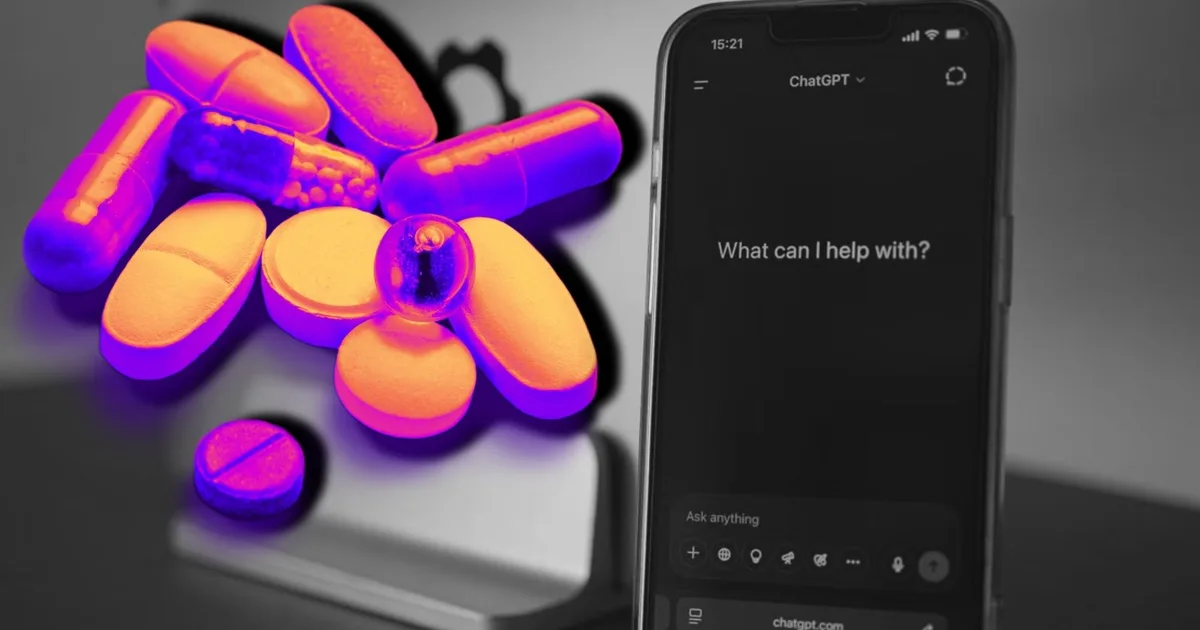
The gravity of her choices was staggering. She had taken a picture of her painkiller and asked ChatGPT if she could take two pills simultaneously, despite her doctor’s instructions to limit it to one at a time, and only when the pain was unbearable. The AI’s response was dangerously flawed. It confirmed she could take one, but warned against taking two without consulting a doctor.
When I questioned her decision, she expressed her discomfort with trusting traditional medical sources. “ChatGPT is easier to ask,” she said. “I don’t know what to believe on the internet.”
### Miscommunication and Misunderstanding
Her struggle was compounded by a language barrier. Translating her query into Hindi resulted in a grammatical mishap that changed the context entirely. What she meant to ask was whether she could take two of the same medication. Instead, it seemed like she was asking if she could take both medications shown in the image—which led to the confusion that ensued.
ChatGPT had correctly identified one of the medications in her image, but given the incomplete information, it also veered into unrelated topics. Despite cautionary advice from the AI about the potential side effects and dosage warnings, my friend still chose to take both pills, leading to her distress.
### A Lesson in Responsibility
The repercussions of her decision led to an understandably irate doctor chiding her for not seeking professional advice beforehand. Following her visit, she was prescribed a new medication that would be gentler on her body.
As a journalist focusing on technology and its implications in sensitive areas such as health, I realized I had failed. Our conversations had never touched on the inherent risks of relying on AI for medical guidance, and now it felt too late.
### The Growing Perception Problem
I don’t blame her entirely; the allure of AI as a reliable source of information has become pervasive. ChatGPT appears to many as a quick fix, a modern oracle that gives answers in seconds. This trend has grown so strong that even major news channels cite AI platforms as trustworthy sources during discussions.
In India, where digital literacy is still developing, many users turn to AI tools for answers in their native languages. Unfortunately, studies reveal that these interactions often yield less accurate results, leaving users vulnerable.
### Ensuring Safe Practices
Organizations like Healthwatch England have emphasized the potential hazards associated with AI-driven medical advice, with reports documenting cases of serious misinterpretations. While AI models like ChatGPT aim to guide users toward professional advice, this message often gets lost. Warnings should be more prominent, ensuring that users always consult healthcare providers before making health-related decisions.
### Moving Forward with Awareness
To foster a safer digital landscape, AI companies must prioritize awareness over flashy statistics about their capabilities. If we are to enjoy the benefits of AI innovations, we should ensure that the conversation around them emphasizes caution, especially regarding health.
In the end, my request to my friend was simple: seek out human expertise. It’s crucial to remember that while technology may seem like a convenient companion, it can’t replace personal medical advice. Let’s shift the narrative back toward responsible health practices and cultivate an environment that values informed decisions and genuine human connections.
As we navigate this delicate intersection of technology and responsibility, remember: your health is too important to leave to algorithms. Stay informed, stay safe, and talk to your doctor.