Are Governments Prepared for AI’s Impact on Employment?
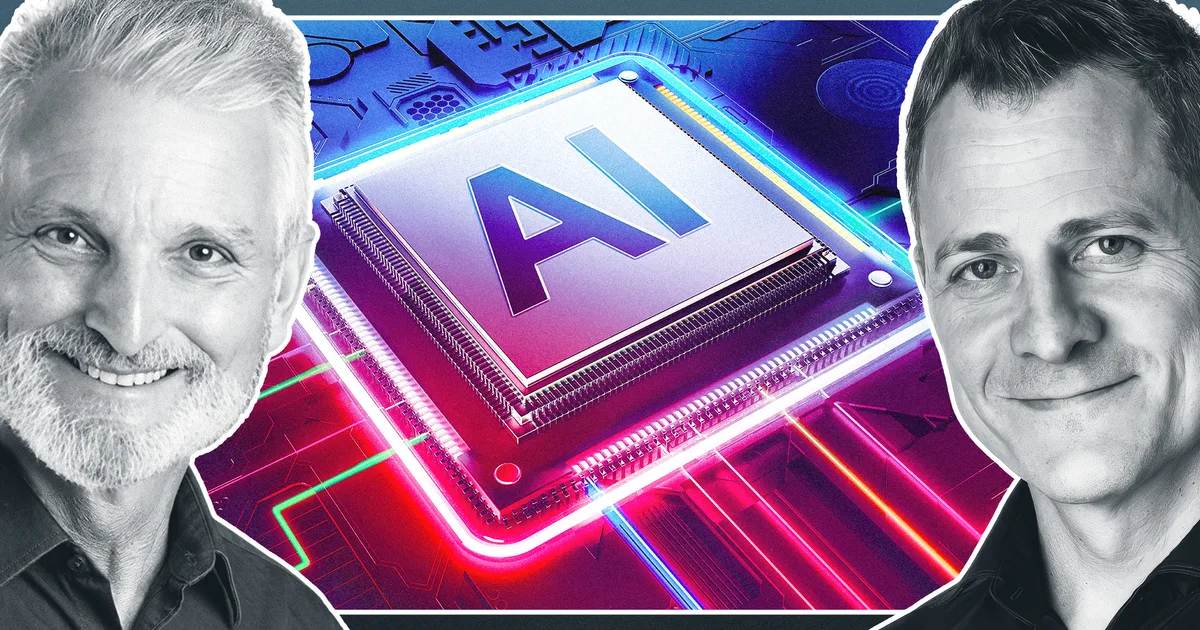
When you think of the future of work, it might not be hard to conjure a picture of bustling offices and endless career opportunities. Yet, with the rapid rise of AI and automation, the landscape appears increasingly unsteady. Recently, I had the chance to engage in a thought-provoking discussion with Marco Riedesser, an innovative entrepreneur from Austria. Marco’s unique perspective sheds light on the intricate relationship between technology, employment, and our futures.
The Evolving Dialogue on AI and Employment
When Marco suggested a conversation about AI and jobs, my initial thought echoed a common sentiment: haven’t we covered this ground already? Headlines flood our newsfeeds daily about companies downsizing—often blaming AI as a culprit for the disruptions. Young graduates are facing unsettling realities, discovering that the entry-level positions they prepared for may be fading away. Amidst the noise, opinions clash between those heralding an impending golden age and those fearing the downfall of traditional work.
The reality is far more nuanced.
An Insightful Perspective
Marco isn’t just another theorist making grand predictions. His background is rooted in technology, starting with electronics and leading to his current venture, Friend, a physical AI companion. He understands the realities of automation because he’s been on the front lines of developing it. Instead of throwing stones at technology, he emphasizes thoughtful preparation for what’s to come.
Why This Wave of Change Feels Unique
Historically, significant technological advancements, like the Industrial Revolution, transformed industries without completely eradicating jobs. However, Marco points out a significant difference: the sheer scale of job displacement today appears more pronounced, lacking a sufficient influx of new roles to balance it out. With companies dismissing thousands of employees, reliance on new AI roles like compliance specialists simply won’t fill the gaps in the current job market.
The Challenge of Entry-Level Positions
This is where the discussion grows uncomfortable, particularly for youthful job seekers. The longstanding advice to learn coding and acquire technical skills may not hold the same weight as before. Marco warns that entry-level coding jobs are already diminishing, and even senior positions may be drastically altered within a few short years.
He describes a future where the role of developers transitions from traditional coding to guiding AI systems. In this scenario, the coder becomes more of a director, leveraging AI to perform mechanical tasks that once required a human touch.
Industries Facing Disruption
While certain jobs that emphasize human interaction—like carpentry or hairdressing—may endure, many entry-level roles in customer service, transportation, and even software development are at risk. These jobs have historically provided important pathways for newcomers to the workforce, and their decline raises pressing concerns.
Navigating a Transformative Future
The emergence of AI is not isolated; it’s accompanied by advancements in robotics and automation technologies. Consequently, the conversation shifts toward governmental responsibility. Marco urges that society must proactively address the potential disruptions brought about by these advances—not in reaction to crises but in anticipation of them.
One solution he proposes is a form of universal income, a concept that, while controversial in places like the US, resonates more within European social contexts. This divide underscores a crucial difference in addressing AI’s impact: in regions with robust social support systems, acceptance toward government intervention is higher, while in others, the challenge lies deeper.
Embracing Change and Finding Purpose
While the potential for job loss looms large, it’s important to consider alternative perspectives. Perhaps AI will ease the pressures of survival, allowing individuals to find fulfillment beyond their careers. Younger generations are already challenging traditional work norms, advocating for a lifestyle that values balance over the constant hustle.
Marco highlighted his 30-year practice of karate, emphasizing the importance of having a purpose outside of work. This idea brings to light an essential question: if our jobs change significantly, how will we redefine meaning and ambition in our lives?
The Role of Friend: A Metaphor for Our Future
As our conversation concluded, we explored Marco’s AI companion, Friend. This technology is designed not merely to provide compliments but to challenge its users, much like a true friend would. In a way, this represents the larger conversation we need to have around AI: rather than blindly accepting or rejecting technology, we should engage in meaningful discussions surrounding its impact.
While predictions may vary on when these changes will peak or their severity, one truth remains evident: waiting for disruption to become apparent is not a viable strategy. Engaging in these discussions now lays the foundation for navigating an uncertain future.
So, let’s continue this conversation. Ask the hard questions, seek understanding, and prepare ourselves for the possibilities ahead. Together, we can redefine not just work but the very essence of our contributions to society.