Why Your Knowledge of AI Fuels Job Worries: Insights from Recent Research
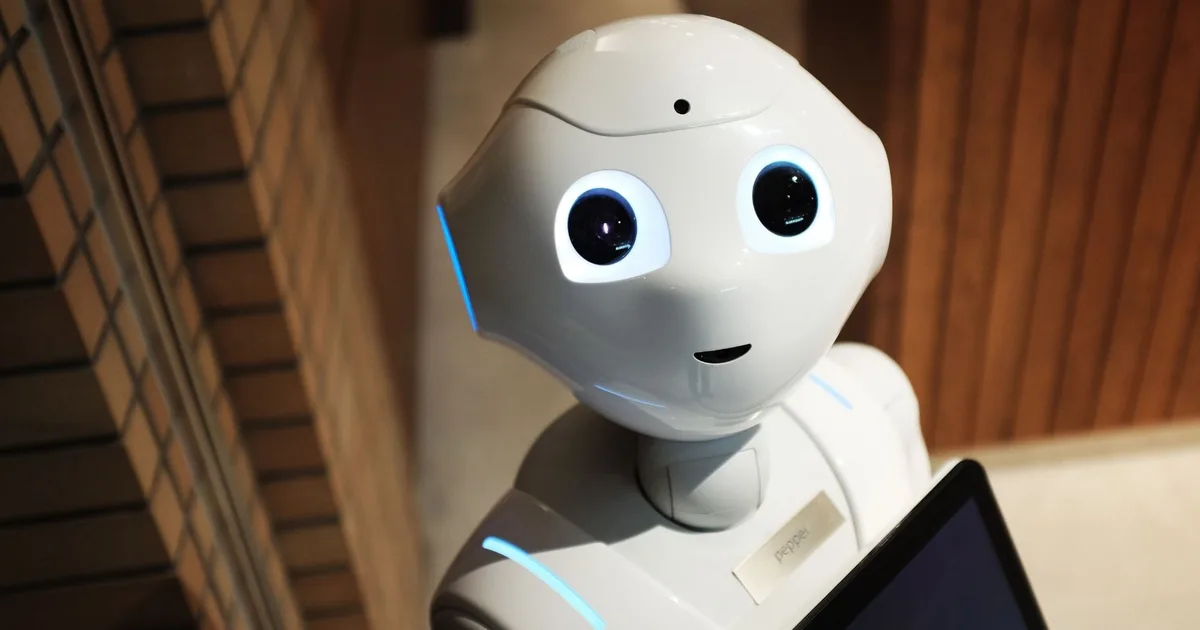
Many individuals today are feeling a heightened sense of unease regarding the influence of artificial intelligence on their job security. If you’re part of the savvy crowd focused on beauty and wellness, you may be particularly sensitive to these shifts. Recent findings reveal that professionals well-versed in AI harbor deeper concerns about their roles. This insight shifts the narrative from ignorance to understanding—it’s those with knowledge who feel most vulnerable.
The Paradox of Knowledge
Credit: Omar Lopez-Rincon
A staggering 43% of individuals with strong AI expertise anticipate that AI might soon overtake their positions. In contrast, this fear diminishes significantly among those with lesser knowledge. Professor Peter Buxmann, who spearheaded this illuminating study, underscores the paradox: far from being driven by ignorance, anxiety about job loss stems from clarity regarding AI’s potential disruption.
Furthermore, the type of work you do influences your exposure to these changes. Professions that generate data, such as content creation or analytics, are at a higher risk compared to roles requiring physical presence. Yet, it’s worth noting that the everyday integration of AI in workplaces remains somewhat limited at this juncture.
Bridging the Knowledge Gap
Despite the undeniable impact of AI, many individuals lack the training necessary to effectively navigate its complexities. Only about 15% of survey respondents reported having undergone any form of AI training, highlighting a significant skills gap. Concerns often focus on legitimate issues like AI hallucinations and data privacy, while a majority express skepticism about the likelihood of superintelligent AI taking over.
Interestingly, younger workers tend to report elevated levels of job anxiety compared to their older counterparts. Across various professions, the anxiety related to job security has climbed significantly over the past year.
Beyond Reassurance: The Need for Action
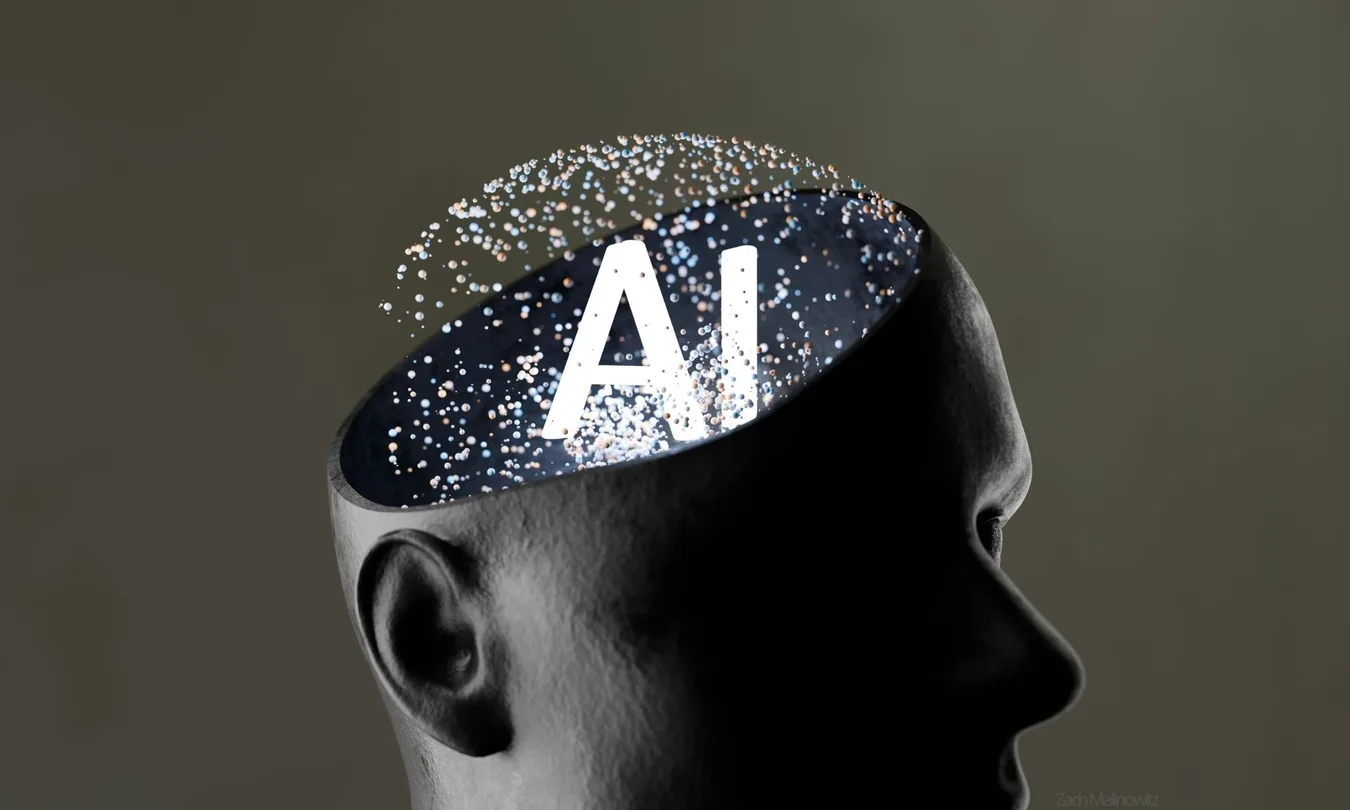
Professor Buxmann argues against simply comforting anxious workers. Losing a job transcends financial implications—it impacts social connections and a sense of purpose. Addressing these genuine concerns requires better training and open discussions about the evolving landscape of work.
While generative AI is poised to create new roles, it cannot replace outdated positions on a one-to-one basis. Thus, the crucial takeaway for employers and policymakers is that proactive preparation must be prioritized over mere reassurances.
Feeling inspired yet? Embrace this moment to deepen your understanding of artificial intelligence and its implications for your career. Equip yourself with knowledge, engage in conversations, and take charge of your professional future! Let’s navigate this AI-driven world together, ensuring we adapt and thrive in a changing landscape.