Discover Microsoft’s Affordable Surface PCs: What You Need to Know About the Catch
The tech landscape often feels like a delicate balance, and in today’s climate, that balance is increasingly difficult to maintain. With component prices continuing to soar and memory costs showing no signs of stabilizing, laptop manufacturers are vying to keep prices manageable. Recently, Microsoft’s update to its Surface line seems like an attempt to tackle these challenges directly, but the implications may not be what consumers are hoping for.
A Sleeker Price Tag
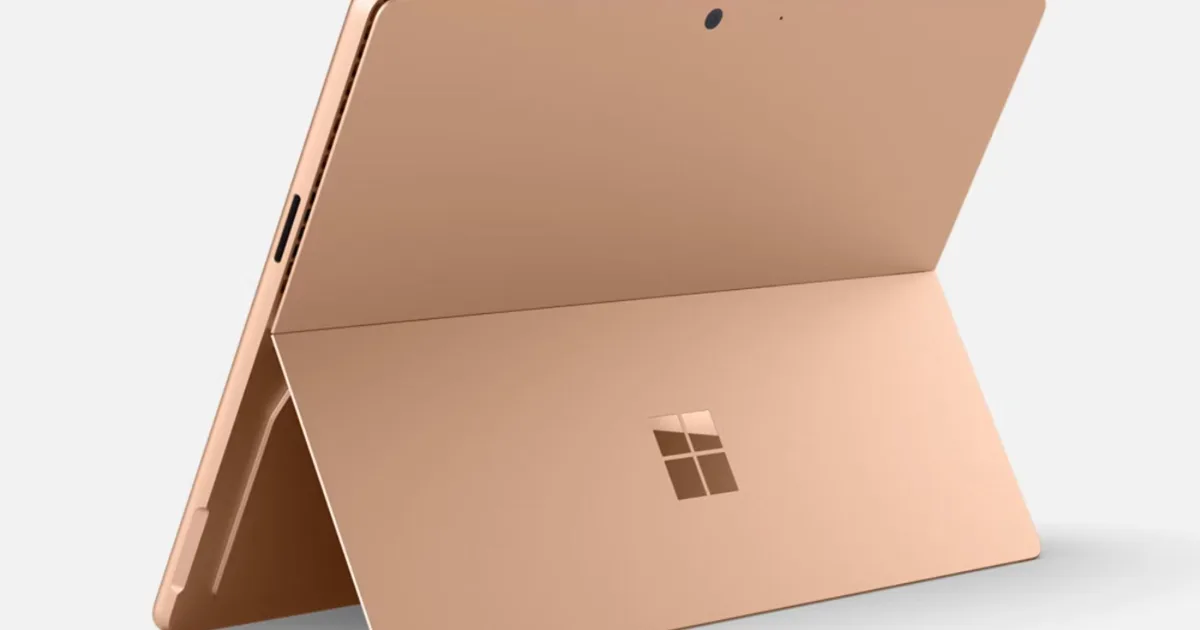
Microsoft has introduced fresh entry-level versions of its 12-inch Surface Pro and 13-inch Surface Laptop, boasting lower starting prices. However, this adjustment comes at a cost: the memory options. Rather than slashing prices on existing models, Microsoft has opted to offer configurations with just 8GB of memory. This clever marketing tactic allows them to promote affordability while the core hardware largely remains untouched.
Although 8GB of memory may suffice for those engaged in light activities like web browsing, email correspondence, or using Office applications, it may not be as future-proof. As software demands continue to grow and multitasking becomes more intense, that extra bit of memory could soon prove invaluable.
Missing Out on AI Features
The decision to cut back on RAM introduces another layer of complexity: these newer devices do not qualify for Copilot+ certification. Currently, Microsoft requires a minimum of 16GB of memory for this status, meaning that buyers of the newly launched models miss out on cutting-edge, on-device AI features that come with higher-end Surface devices.
This is significant because Copilot+ has been highlighted as the future of Windows PCs. As new Surface products debut without access to such advancements, it raises questions about the long-term value of these entry-level options. While it’s true that Microsoft’s flagship models still begin with 16GB of RAM, these recent versions seem crafted to usher in a more budget-friendly entry rather than to innovate the lineup dramatically. Ultimately, the shift toward lower specifications is a reflection of rising hardware costs; something had to give, and this time it was memory.
The Way Forward
While the allure of lower prices is hard to resist, potential buyers should carefully evaluate their needs in light of these changes. For those who see themselves using their devices for a range of tasks, investing in a model with more robust specifications could pay off in the long run.
As you navigate these choices, remember that understanding your tech needs is just as important as the allure of a lower price. Invest wisely, and you’ll find that a slightly higher price point can shelter you from the frustrations of performance lag in the future.
Are you ready to elevate your tech game? Consider what truly matters for you in a device, and don’t hesitate to reach for a model that meets those needs. Your digital experience is worth the investment.