How the AI-Driven Younger Generation is Relying on Chatbots for Face-to-Face Conversations
From Pickup Lines to Problematic Habits: The Role of AI in Young Adults’ Social Interactions
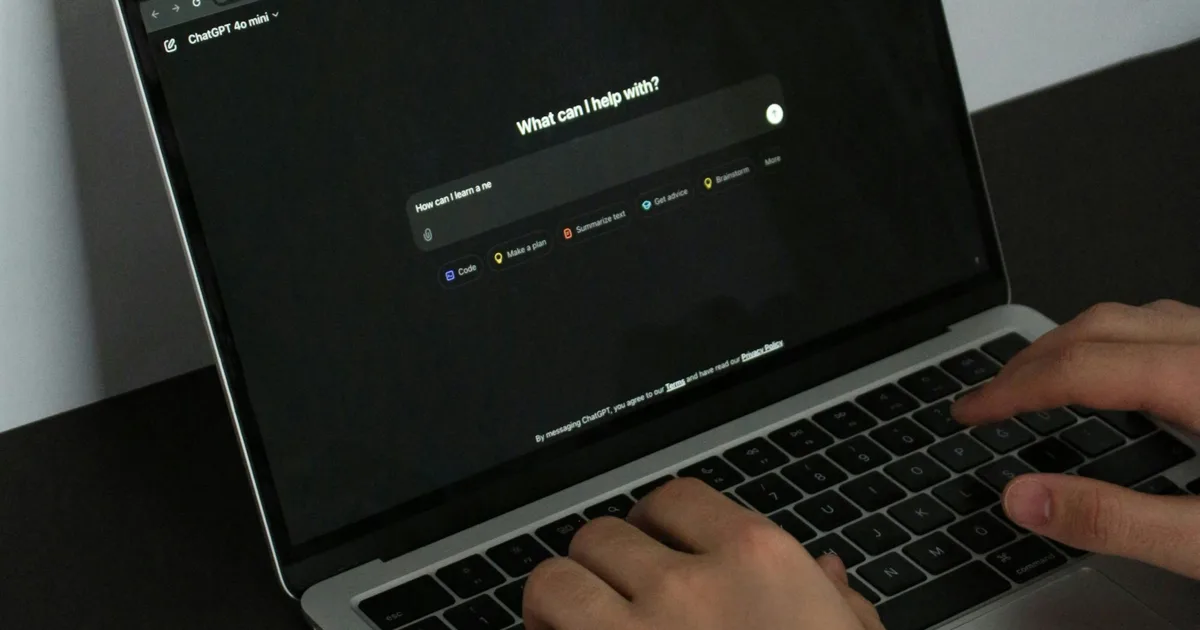
In today’s fast-paced digital world, young adults are turning to AI for help in navigating their social lives. From crafting the perfect pickup line to composing texts, many are outsourcing the art of conversation to sophisticated chatbots. While this reliance on technology offers convenience, experts caution that it may lead to deeper issues of self-trust and authenticity.
The Extent of AI Integration
Meet Niharika Abbaraju, a 20-year-old cancer researcher who utilizes ChatGPT at work for quick insights and simplified information. However, once the clock strikes five, this AI becomes her go-to conversation coach. Whether it’s drafting clever icebreakers for parties or real-time responses to queries from friends, Niharika has outsourced much of her social interaction.
One interesting tactic? When discussions turn to books she hasn’t read, she deftly pulls up an AI summary, smoothly pretending to engage. But Niharika isn’t alone in this; more young adults are leaning on AI for social scripting, seeking that perfect balance between wit and charm.
Unsplash
Relying on AI for Personal Conversations
As AI becomes a staple for countless young people, it’s evident that chatbots are shifting the dynamics of modern-day communication—especially for those grappling with social anxiety. Yet, not everyone is on board with this trend.
Andrea Wallace, a personal trainer, recalls a friend’s date who texted with immaculate grammar, drawing suspicion. Lucas Dvorak faced a similar dilemma when his girlfriend found it “creepy” that he used AI for their conversations. Kalin Lincoln, a 20-year-old student, finds herself using AI for emotionally charged emails and preparation for difficult discussions. While it sometimes helps, she acknowledges that it can backfire, providing incorrect advice when it’s needed most.

OpenAI
What Experts Are Saying
Psychologists express concern over this growing trend. Ashleigh Golden, a clinical psychologist, warns that relying on AI for reassurance can erode one’s self-confidence. This reliance contributes to what mental health experts deem an “epidemic of self-mistrust." Outsourcing uncomfortable moments, rather than confronting them, doesn’t foster growth and may delay necessary conversations when they inevitably arise.
Alexandra Friedman, a relationship coach, suggests a balanced approach. She recommends limiting AI use to once a week, advising individuals to use chatbots for inspiration on what to say, rather than how to say it.
Unsplash
The Dangers of Emotional Consultations with AI
Personally, I’ve always believed in the power of authentic human connection. While some find comfort in chatting with AI for emotional support, I strongly advise against it. Reports indicate troubling outcomes, where conversations with AI have exacerbated mental health issues and even led to self-harm.
If you or someone you know engages regularly with AI for emotional guidance, it might be time to discuss the potential risks. Sharing scholarly articles or personal insights can help steer them away from this precarious path.
In conclusion, while technology offers innovative solutions to weave through social challenges, striking a balance between authentic interaction and AI assistance is key. Let’s embrace the significant advantages of technology while nurturing our innate ability to connect with others on a deeper level.