Smart Glasses Make a Comeback: Embracing a New Era of Seamless Style
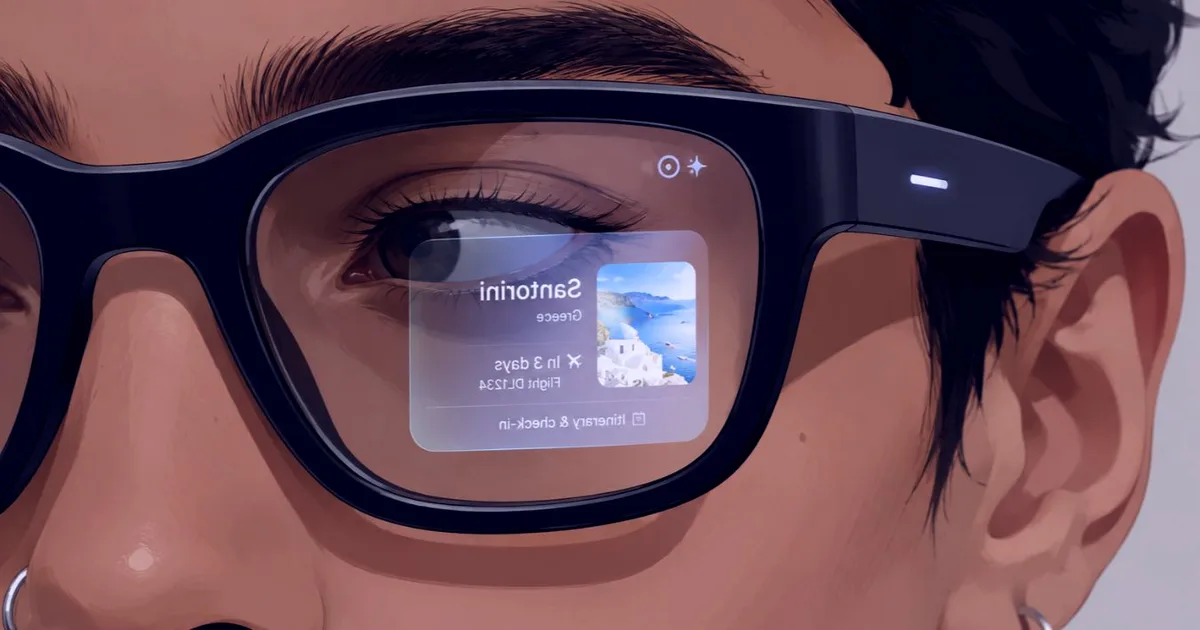
The new wave of AI eyewear looks calmer, better dressed, and harder to dismiss than Google Glass. That’s the goal, right?
More than a decade ago, as a wide-eyed tech reporter, I was genuinely moved by Google’s Project Glass video. Everything seemed effortless in that sleek portrayal: directions appeared in front of you, photos were taken with simple voice commands, and life looked connected and elegant. It felt like we had arrived in the future, a future where wearing a tiny computer on our faces didn’t just seem normal—it felt profound.
However, once Google Glass became available, the reality was less magical and far more controversial, with early adopters dubbed “glassholes.” Launched initially in 2013, the public’s skepticism overshadowed the technology, feeling more invasive than innovative. Fast forward a decade and a pandemic later, this tech category is making a comeback, but this time, it’s dressed to impress.
How Face Tech Learned to Dress Down
There’s something refreshing about this new generation of smart eyewear. Unlike the clunky debut of Google Glass, the latest iterations feel as though they’ve been stylishly repackaged. Meta, for instance, has successfully partnered with Ray-Ban to create glasses that resemble regular eyewear, allowing the technology lurking beneath to blend seamlessly into daily life.
Ray-Ban Meta glasses reportedly achieved impressive sales figures, with 2 million units sold by early 2025. This indicates a growing acceptance of wearable tech, particularly when designed by brands known for their aesthetic appeal.
Ray-Ban Meta — Andy Boxall / Digital Trends
Tech giants like Google and Samsung are now taking a similar approach, focusing on collaboration with stylish eyewear brands like Warby Parker and Gentle Monster. This evolution signifies a shift in strategy: they’re not merely pushing gadgets onto consumers but are instead integrating technology into fashionable options that people already love.
Google is incorporating AI into this experience, with smart features like directions and notifications accessible right through your glasses. The aim is to position this new eyewear not just as tech but as fashion-forward accessories, removing the notion of gadgetry from the conversation.
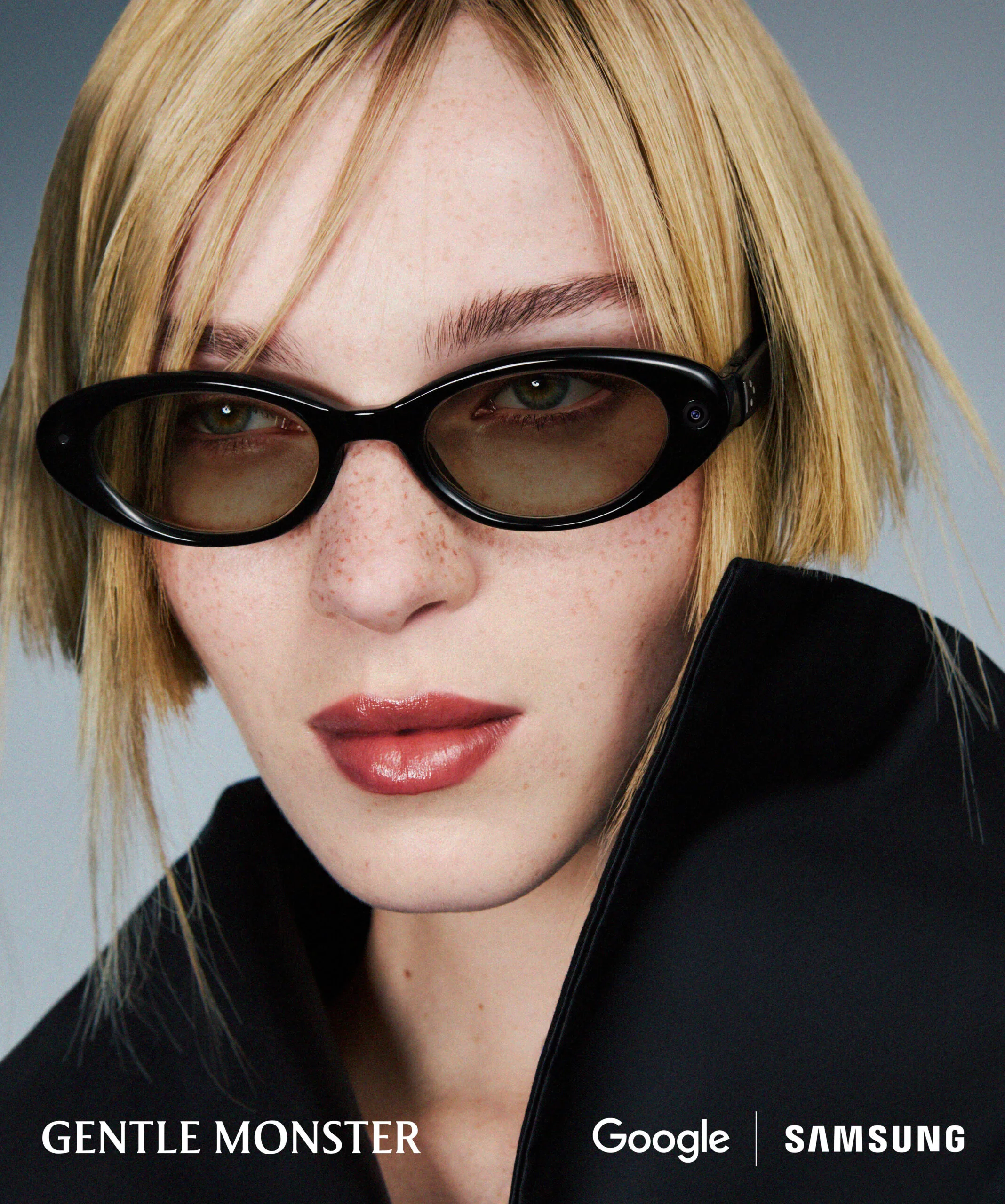
Google Audio Glasses — Google
The marketing is nothing short of polished. These are presented as stylish eyewear with cameras, microphones, and speakers, all discreetly packed into elegant frames. The oddness of smart glasses hasn’t vanished; it has simply been masked with better aesthetics.
Why I Still Want to Roll My Eyes
Despite the alluring designs, my instinctive reaction remains one of skepticism: Do we really need smart glasses?
Some tech concepts seem less like genuine innovations and more like resurrections that refuse to die. With each iteration, we witness improved design, enhanced AI, and more fashionable options, but the underlying question persists: What happens when someone’s face transforms into a recording device?
The discomfort does not dissipate merely because the aesthetics are appealing. In fact, the fashionable designs can sometimes blur the lines between observation and recording. Unlike a smartphone, which is more conspicuous and has set social norms around its use, smart glasses operate quietly, raising questions about privacy and consent.
For instance, camera-free versions of smart glasses exist, yet they often feel like overachieving earbuds that have learned to accommodate prescription lenses. You still get audio, a virtual assistant, and notifications, but without the camera, the tech feels less invasive.

Halliday AI Smart Glasses — Halliday
The dichotomy remains intriguing. The most functional glasses are often the ones that make others wary, while the safer options tend to fade into the background. This ongoing tug-of-war leaves the market at an uneasy crossroads. The most compelling aspect of smart glasses may also be their most contentious—the camera that gives them purpose also introduces significant social friction.
Why I Might Be Wrong Again
It’s worth noting that I’ve been mistaken before. When COVID-19 first emerged, I underestimated its impact, thinking it was simply another inflated news story. Fast forward two years, and the reality was much different—a poignant reminder that predictions can be elusive.
Smart glasses aren’t a global crisis, but that doesn’t make them immune to scrutiny. Perhaps they don’t hinge on a single revolutionary feature. Instead, they might thrive on timing, enhanced AI, superior battery life, and an aesthetic that feels less like a bold statement and more like everyday fare.
The transformation of smartphones into socially acceptable devices took time, and in many ways, the same etiquette surrounding smart glasses is still evolving. While I still hesitate at the thought of everyone’s coffee runs and lunches becoming part of someone else’s ambient AI experience, I can’t deny that this new version feels more refined and less overtly brash.
It’s possible that the success of these smart glasses doesn’t rely on how futuristic they appear but rather on their ability to integrate seamlessly into our lives, making people forget to question their presence. Who knows? Despite my reservations, I might find myself wanting a pair after all.
Are you ready to embrace the latest in smart eyewear? Maybe it’s time to experience a stylish blend of technology and fashion yourself!