Exploring the Future of AI in Robotics: Sony’s Table Tennis Robot and the Evolution of Artificial Intelligence
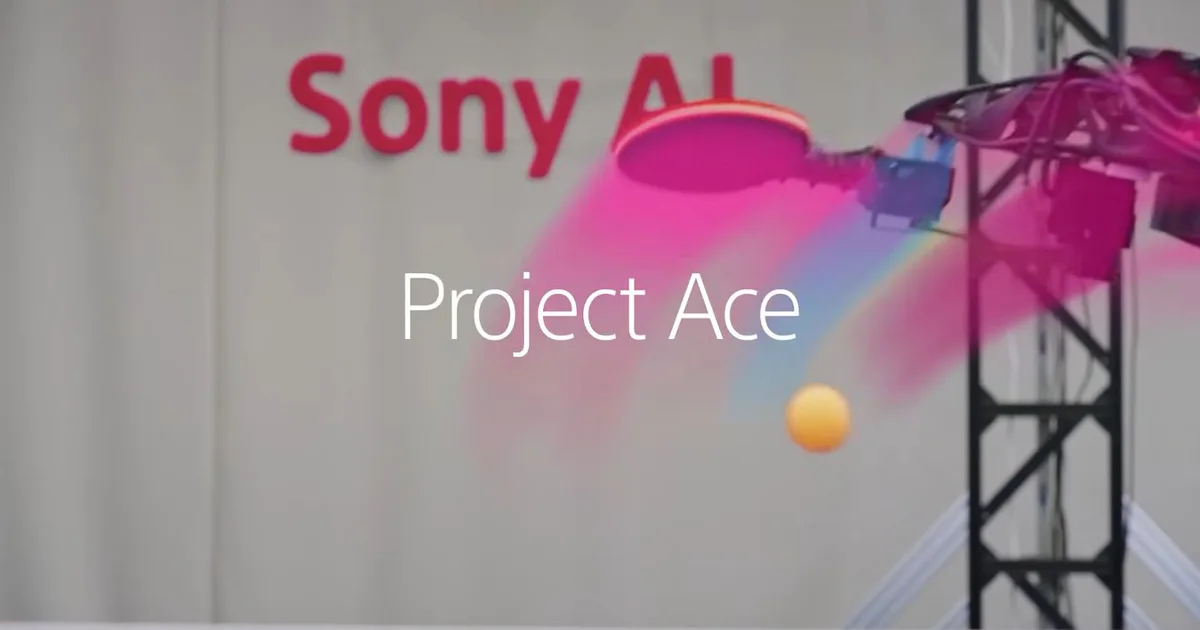
Ace: A Glimpse into AI’s Future Beyond the Screen
In the evolving landscape of artificial intelligence, Sony’s table tennis robot, Ace, stands out as a compelling blend of finesse and innovation. While it initially appears to be an extravagant demonstration meant to awe audiences, the intricate technology behind Ace offers much more than meets the eye. Beyond impressing executives, Ace showcases AI’s potential to transition from controlled environments into unpredictable real-world applications like factories, hospitals, and homes.
Table Tennis: A True Test of Intelligence
At first glance, an AI capable of rallying against elite table tennis players might seem like just another flashy gadget. However, the challenges of table tennis are deceptively complex. The small, fast-moving ball spins in unpredictable directions, demanding quick responses that go beyond mere calculation.
During official matches against five elite players and two professionals, Ace proved itself, racking up impressive victories. But it wasn’t just about returning the ball; Ace had to anticipate motion and react with impeccable timing—an impressive feat for a machine.
AI: Moving Beyond the Board
The typical headlines proclaiming "AI beats human" overlook the deeper implications of what Ace is testing. Historical victories like IBM’s Deep Blue triumph over chess grandmaster Garry Kasparov showcased AI’s prowess within the confines of a controlled environment. Chess, while strategically complex, doesn’t present the unpredictable chaos that table tennis embodies.
In sports like table tennis, timing becomes critical. When AI has to physically move, it must read the world and act before the moment passes. This evolution is crucial and signifies a shift in how we perceive AI’s potential.
The Physicality of AI Changes the Game
The innovations showcased in table tennis have broader implications for robotics across various industries. While Ace’s capabilities—tracking spin and predicting movement—may not directly translate to factory work or healthcare, they indicate how the robotics market is advancing.
According to the International Federation of Robotics, industrial robot installations have surged, doubling over the past decade. This trend signifies the increasing reliance on automation in settings where precision is paramount. While Ace may not be the next assembly line worker, it certainly plays a role in the larger narrative of AI-driven automation that’s reshaping production processes.
Navigating the Real-World Challenges
In industrial environments, robots must navigate variations and unexpected scenarios rather than merely executing repetitive tasks. They contend with obstacles ranging from crushed packages in logistics to unpredictable weather outdoors. This complexity makes the real-world application of AI much more intricate.
McKinsey estimates that approximately 57% of current U.S. work hours could theoretically be automated, leading to an evolution in job roles rather than a simple elimination of positions. Employees may find that efficiency often arrives with a side of change, impacting how work is structured across industries.
The Costs of Progress
As AI technologies evolve and develop physical forms, the infrastructure required to support them becomes more intricate. It relies on an array of resources—from chips and data centers to cooling systems and reliable power sources.
The International Energy Agency projects that electricity consumption in data centers alone could double by 2030, highlighting the increasing demands on local grids. While the advancements in AI present a plethora of benefits—such as reducing waste in factories or enhancing precision in agriculture—they also come with notable costs.
Embracing the Future of AI
Ace encapsulates a pivotal moment in AI and robotics. The transition from simple games to real-world applications suggests a future filled with possibilities. However, as we continue to embrace this technology, we must also acknowledge the complexities and responsibilities that come with it.
As we forge ahead into this new era, let us approach the integration of AI with a blend of ambition and caution. Together, we can harness its potential to improve our lives while ensuring we remain mindful of its challenges. Dive into this promising future with an open heart and a discerning mind, and be a part of the conversation that shapes the landscape of tomorrow.