OpenAI Shuts Down ChatGPT Atlas Browser: A Love Story of Challenges and Triumphs
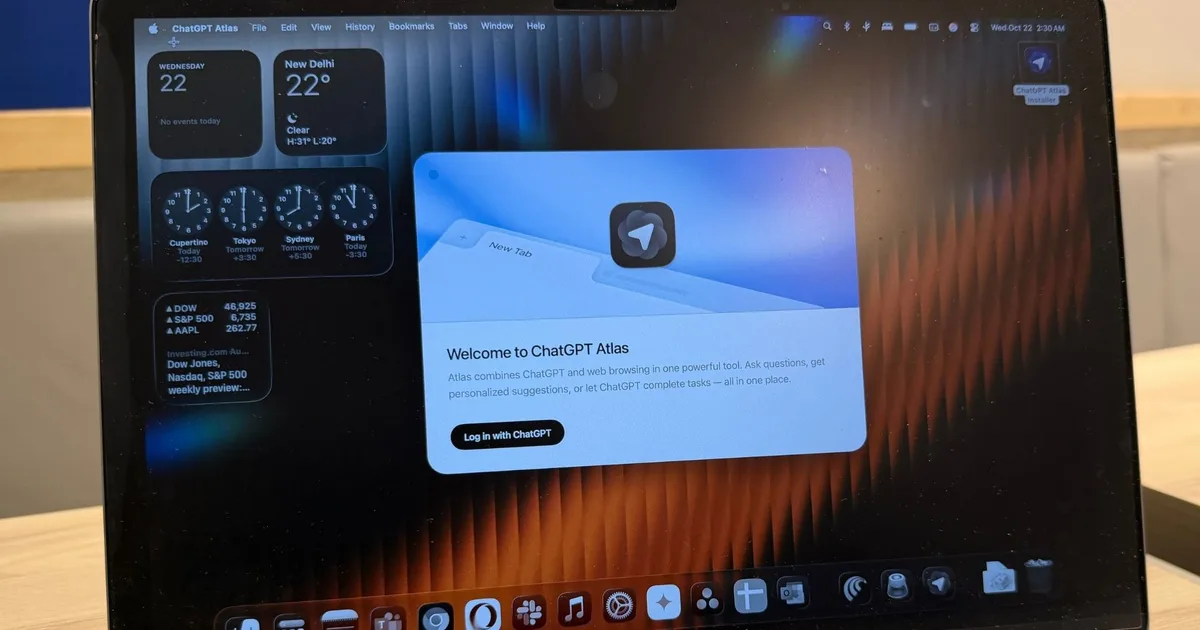
When OpenAI decided to dive into the world of web browsing with ChatGPT Atlas, many were left wondering why a leading AI lab would venture into such an already crowded space. This bold move brought a fresh perspective and integrated AI features that intrigued users. However, as the tech landscape evolves, it appears the browser’s time is drawing to a close, with plans to phase it out by September.
OpenAI has shifted its focus toward enhancing the desktop app for ChatGPT, which already boasts a built-in web browser and capabilities for cloud browsing by AI agents. As the utility of ChatGPT expands into popular browsers like Chrome through extensions, it seems the need for a standalone browser is diminishing.
The Reason Behind the Shift
Sidebar in ChatGPT Atlas. Credit: Nadeem Sarwar / Digital Trends
James Sung, an OpenAI executive overseeing the browsing project, shared insights on how user feedback and experiences shaped the evolution of these tools. “All these capabilities were built on what we learned from Atlas users who took a leap of faith on a new browser,” he noted.
Launched in October, ChatGPT Atlas was designed to place AI at the heart of the browsing experience. With an interface that felt both sleek and familiar—thanks to its Chromium foundation—users could effortlessly transition, enjoying features like saved passwords and bookmarks with minimal setup.
The experience began on a homepage focused on a unified search bar, placing everything at users’ fingertips. The side panel, a standout feature, allowed access to various ChatGPT tools, including your chat history and custom GPTs.
A Pioneer in Web Browsing
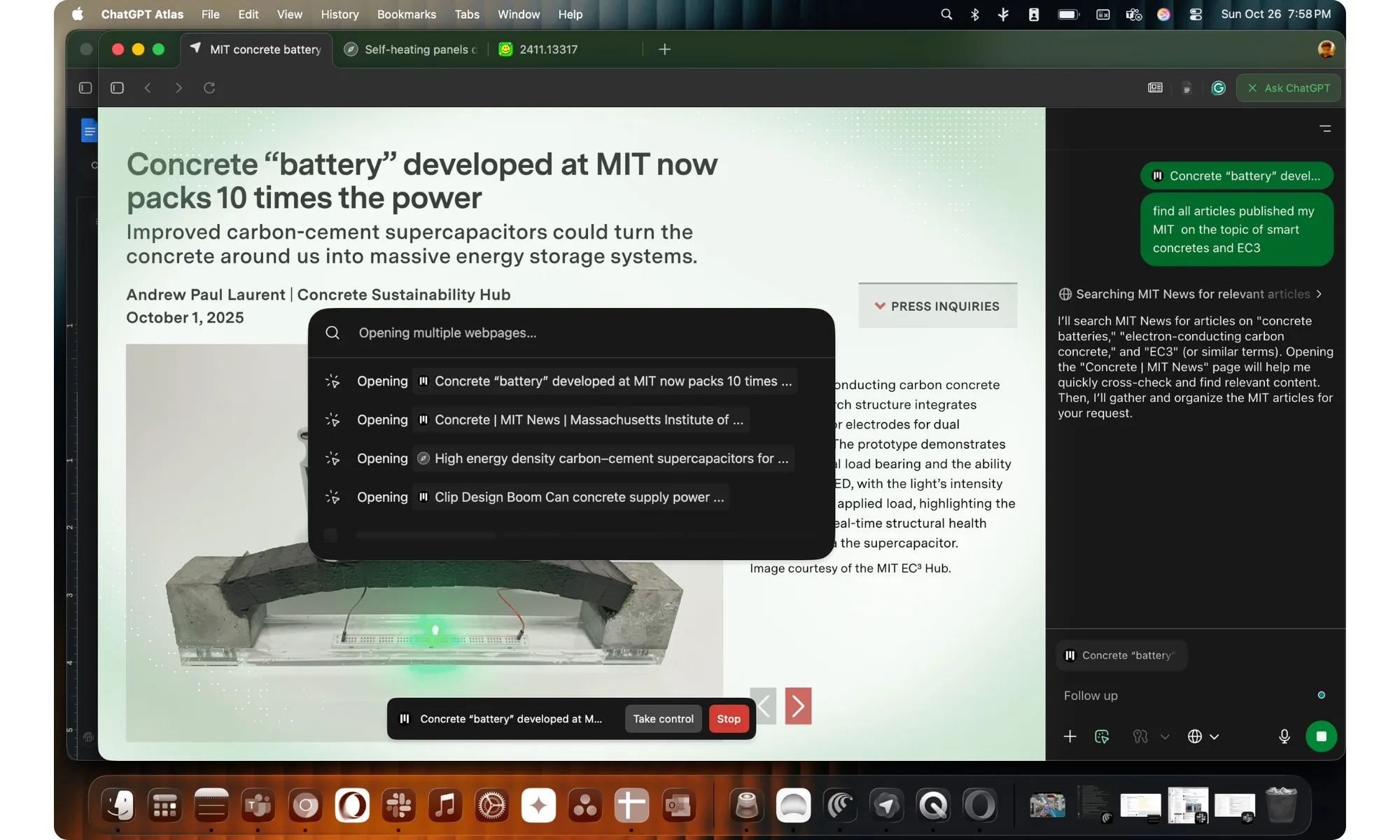
Agent Mode browsing the web on your behalf in ChatGPT Atlas. Credit: Nadeem Sarwar / Digital Trends
What set ChatGPT Atlas apart was its innovative side panel—an aspect that has influenced newer browsers like Gemini for Chrome and Copilot in Edge. Even other browsers, including Opera and Firefox, have adopted similar features, recognizing the potential for AI integration.
The ability of Atlas to operate an agent mode autonomously was groundbreaking, but it also raised questions. Users often wondered why they should switch to Atlas when established browsers like Chrome offered a wider array of features. The ambitious design aimed to revolutionize the browsing experience, but this came with a learning curve that not all users were willing to tackle.
Challenges compounded with reports of security vulnerabilities that flagged AI-driven browsers, including ChatGPT Atlas, as risky. Google’s subsequent adoption of popular features from Atlas, such as tab awareness, diminished its unique appeal significantly. Though the browser’s journey was brief—lasting less than a year—it undeniably pushed the boundaries of what web browsers could achieve with integrated AI.
As the tech world shifts, it’s clear that innovation often leads to new paths. Even though ChatGPT Atlas may soon be a thing of the past, its contributions to AI in browsing will undoubtedly inspire future advancements.
Embrace change and innovation in your digital experiences, and remember that even a short-lived endeavor can spark new beginnings. If you’re eager to explore the evolving landscape of AI and technology, stay connected and keep pushing the boundaries of your own digital journeys!