Anthropic Faces $1.5 Billion Settlement for Pirated Books: Can They Legally Alter Purchased Ones?
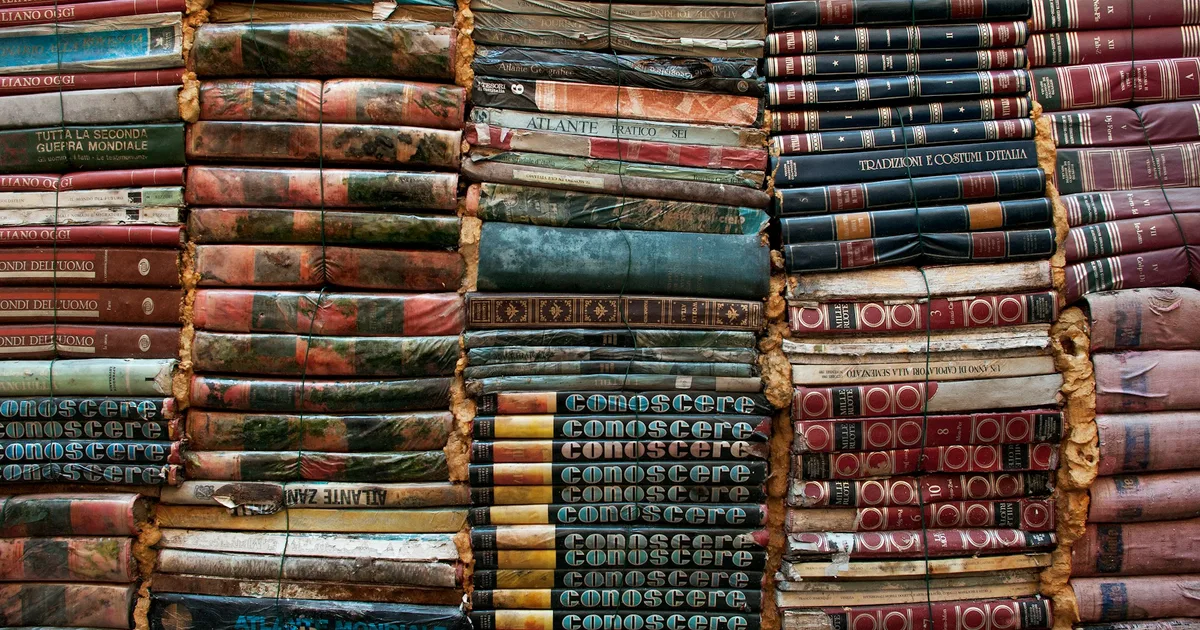
The Settlement Over Unauthorized Ebook Downloads: What It Means for Booksellers
In an era where technology and literature intersect, a recent legal decision has sent ripples through the book industry. A federal judge has approved a substantial $1.5 billion settlement regarding nearly half a million pirated books—creating a new landscape that booksellers cannot afford to ignore. This situation draws a crucial line between digital piracy and the controversial practices of scanning acquired physical copies, raising questions about how such actions may reshape the future of literature.
The Nature of the Settlement
At the heart of this litigation lies Anthropic, a tech company embroiled in disputes over unauthorized ebook downloads. The case highlights a pivotal distinction: while the settlement addresses illegal download sites like LibGen and PiLiMi, it also navigates the murky waters of how digital files can be produced from physical books.
Anthropic’s approach involved purchasing physical books, carefully scanning each page, and then destroying the original copies. This procedure, deemed as fair use by the court, has left many booksellers feeling uneasy about the implications for their business.
A Divided Legal Landscape
The crux of the court’s decision stems from how Anthropic acquired its materials. The company had no legitimate claim on the shadow-library copies, leaving it vulnerable to copyright challenges. In contrast, the print volumes were procured through acceptable commercial channels—granting Anthropic a legal loophole.
- Key Takeaways:
- The court categorized Anthropic’s actions as a transformation of format.
- Scans are considered permissible if not distributed widely, challenging the traditional understanding of copyright.
Rising Concerns Among Australian Booksellers
As this situation unfolds, Australian booksellers are starting to ask critical questions. Reports from sellers indicate unusual bulk orders for obscure titles that haven’t moved in years. These transactions raise suspicions about potential ties to AI companies, even if no direct connections have yet been highlighted.
For example, companies like Zoom Books claim to recycle used books through automated processes but maintain a level of secrecy surrounding their clientele. This lack of transparency creates an environment of uncertainty—leaving sellers to ponder the fate of their books once they leave their hands.
The Disconnect Between Digital and Physical
The advent of digital files brings up another significant concern. While a scanned file may capture the printed text, it often fails to preserve essential elements such as annotations or ownership marks.
- Considerations:
- The unique history tied to each book may be lost in the scanning process.
- No evidence yet links rare Australian books to AI scanning efforts—a situation that underscores the challenges of verifying authenticity and ownership.
What Lies Ahead
In conclusion, as the book industry grapples with the implications of such legal rulings, sellers must navigate an increasingly complex landscape defined by both technological advances and evolving copyright laws.
As a community of book lovers, we must remain vigilant in protecting our literary heritage. Whether you’re a bookseller, a collector, or simply an admirer of the written word, your voice matters in this ongoing dialogue. Let’s strive together for a future where literature is cherished and fairly represented, ensuring that the pages of our favorite stories remain within reach for generations to come.
Join the conversation—share your thoughts on the evolving landscape of books and technology, and let’s work together to safeguard our literary world!