AI and Vibe Coding: Revolutionizing Game Development But Not Guaranteeing Quality
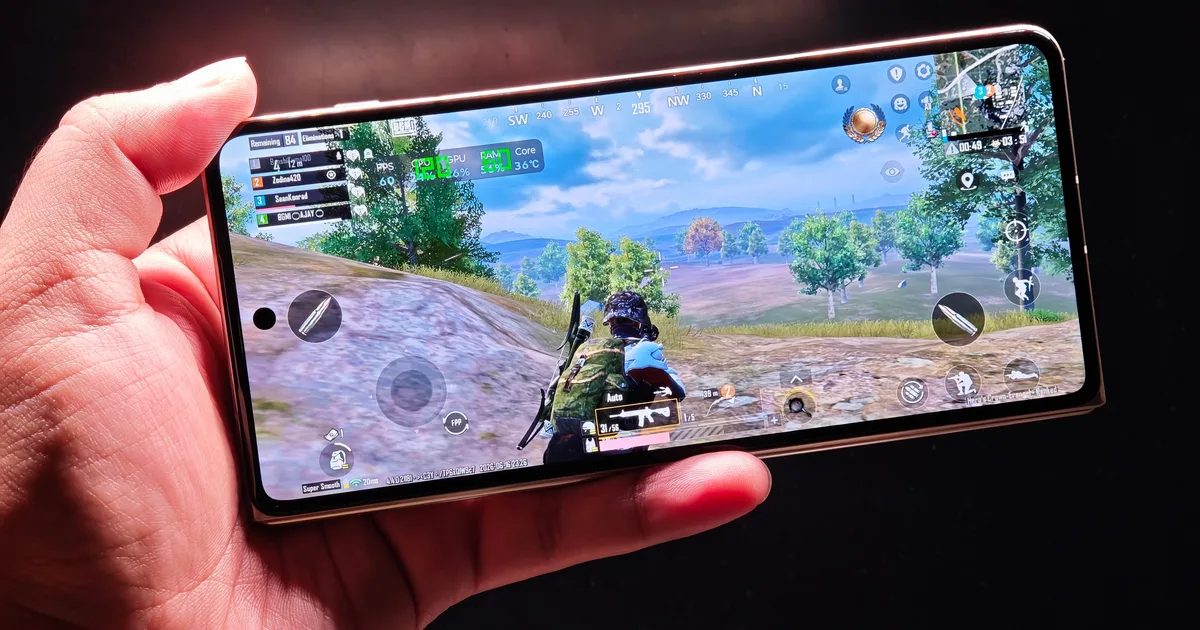
181,000 Mobile Games Launched in Just Six Months, Yet Major Publishers Still Reign Supreme
The mobile gaming landscape is buzzing like never before, and the numbers speak volumes. A staggering 181,000 mobile games graced the app stores in just the first half of 2026—an explosion attributed largely to the transformative power of AI. With mobile game releases soaring by 118% on iOS and 73% on Android compared to last year, it’s clear that innovation is not just a buzzword; it’s a reality reshaping the gaming community.
This surge can largely be traced to the rise of vibe-coding, a groundbreaking trend empowering individuals with minimal or no programming skills to create and launch games effortlessly. Though the barriers for entry have diminished remarkably, the spoils of success still largely favor the industry’s long-standing giants.
Why Isn’t the AI Gaming Boom Benefiting Indie Developers?
Despite the promise of AI streamlining game development, the actual productivity boosts remain modest. A former executive from French mobile game studio Voodoo shared insights with the Financial Times, revealing that AI has managed to reduce development time from approximately 14 days to 10 days. While this change is beneficial, it falls short of the radical transformation many anticipated.
Credit: Microsoft
To illustrate the disparity, the top 1% of game publishers amassed a jaw-dropping $75.6 billion in revenue in 2025, while the remaining 99% chipped in just $6.1 billion collectively. This elite tier also accounted for nearly 80% of all global downloads. While vibe-coding makes it easier for newcomers to enter the fray, the established powerhouses still wield an overwhelming advantage, backed by vast resources, talent, and decades of player data.
Gaming Professionals and Fans Are Losing Trust in Generative AI
This rapid game production comes with a steep price. Recent findings from a GDC Festival of Gaming report indicate that one in four gaming professionals has faced layoffs in the past two years. The sentiment among industry insiders has shifted dramatically, with 52% now perceiving generative AI as detrimental—an alarming leap from just 18% in 2024.
The gaming boom is palpable, yet an unsettling tension simmers beneath the surface. While AI facilitates mass production, it still struggles to replicate the human intuition that elevates a gaming experience from the ordinary to the extraordinary. For players, this could mean an influx of options, but it doesn’t guarantee enhanced quality.
In this evolving landscape, the quest for quality in gaming remains essential, blending innovation with the invaluable touch of human creativity. As we navigate this intriguing intersection of technology and artistry, let’s embrace the possibilities while being mindful of what truly makes gaming special.
Are you ready to explore the world of mobile games and discover the hidden gems among the multitude of releases? Dive in, and let your gaming adventure begin!