Unlocking AI Drug Discovery: The Crucial Role of Biological Data
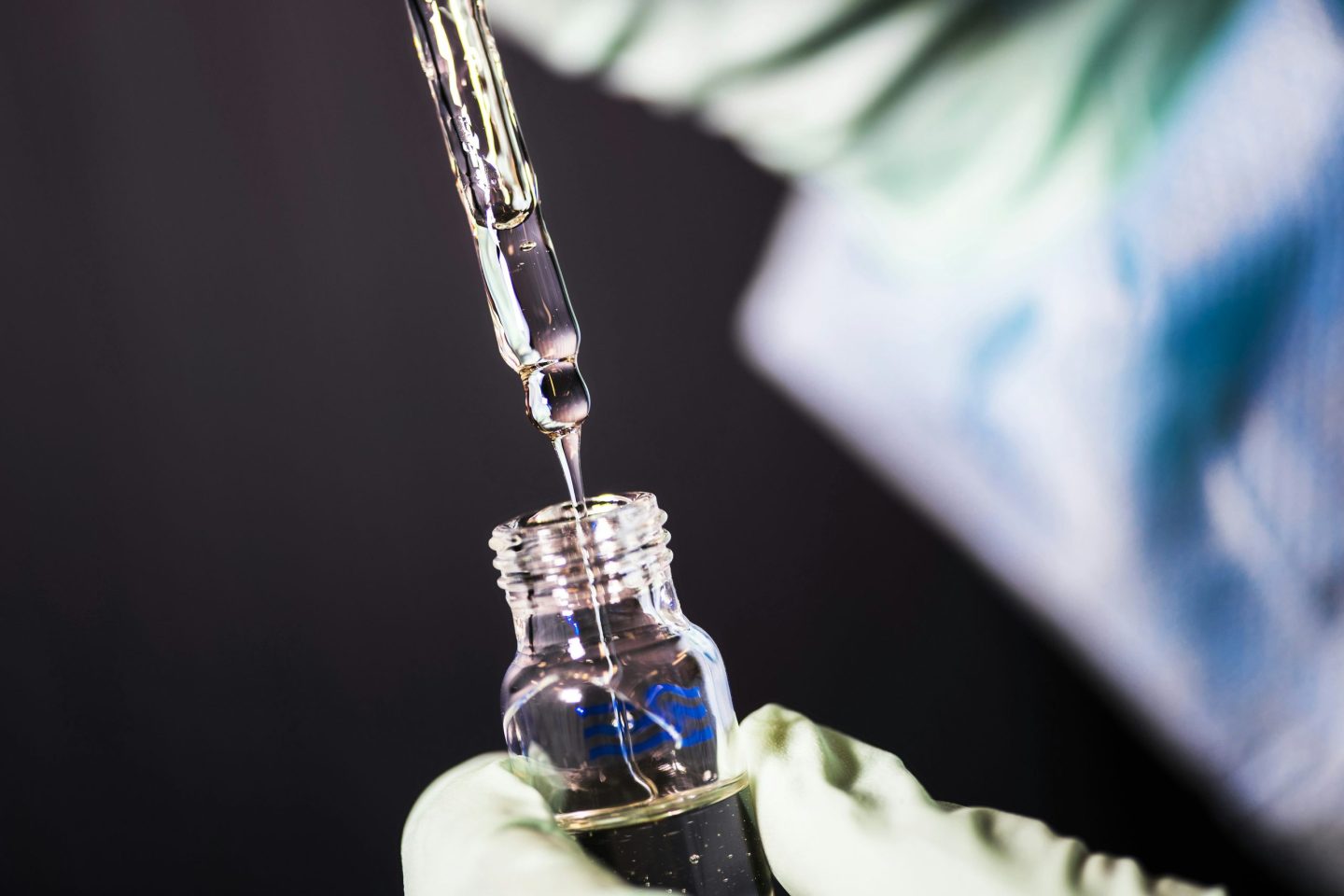
GSK’s recent collaboration with British biotechnology company Relation Therapeutics marks a promising advancement in the realm of AI-assisted drug discovery. With a potential value of up to $110 million, this partnership aims to deepen our understanding of how human cells respond to genetic variations and drug treatments. For those invested in the future of healthcare, this initiative illustrates the powerful intersection of technology and biology.
Understanding the Collaboration
The essence of this agreement is clear: Relation Therapeutics is set to generate extensive datasets that measure cellular responses to various genetic changes and drug interventions. This data will serve as the foundation for training AI models aimed at pinpointing potential drug targets, utilizing Relation’s innovative MORGAN platform.
Interestingly, this collaboration doesn’t merely focus on AI model development; it places equal emphasis on generating biological data. Relation’s unique research methodology seamlessly integrates computational analysis with laboratory experiments, bringing invaluable insights into the behavior of human cells.
Building on Previous Efforts
This partnership is not a standalone venture. It expands upon earlier agreements between GSK and Relation that focused on treating fibrotic diseases and osteoarthritis. These previous projects involved careful observational studies aimed at creating functional disease datasets through Relation’s cutting-edge Lab-in-the-Loop platform.
By merging human genetics with advanced methodologies like single-cell multi-omics and machine learning, they successfully identified and validated crucial disease targets.
How Relation Generates Biological Data
Relation employs a distinctive strategy known as the Lab-in-the-Loop approach, which blends laboratory experimentation with computational techniques. This involves various methodologies, including:
- Tissue profiling
- Single-cell and spatial transcriptomics
- Target validation through machine learning
Additionally, Relation conducts perturbation experiments that investigate how genetic mutations influence cellular characteristics linked to diseases. This process allows for comprehensive analyses along with genetic and patient-derived biological data.
The Challenges of Data in AI Drug Discovery
Despite the promise of vast datasets, data quality and integration present significant challenges. Public repositories are invaluable for training biological foundation models, but combining information from different studies can introduce technical hurdles.
A comprehensive review published in Experimental & Molecular Medicine highlighted several noteworthy points:
-
Data Volumes: Repositories such as CZ CELLxGENE and the Human Cell Atlas offer access to millions of single-cell datasets. Yet, despite this abundance, combining these datasets requires meticulous selection and quality control to avoid data noise and ensure accurate training.
- Dataset Overlap: The occurrence of similar cells appearing in multiple resources can lead to skewed training results and data leakage. The review stressed that creating a high-quality, non-redundant dataset is critical for building robust single-cell models.
Bigger Datasets Don’t Always Lead to Better Models
Recent research in Nature Methods explored the relationship between dataset size and the efficacy of single-cell foundation models. Despite training 400 models, researchers discovered that larger datasets did not automatically enhance performance. In fact, many models plateaued in accuracy after processing only a fraction of the available data.
A careful balance between model capacity, dataset size, and computational resources emerged as a key finding. This suggests that while access to extensive biological data is crucial, simply increasing the volume does not guarantee improved outcomes.
Specialized Datasets in Pharma
Relation has proactively applied its data-generation framework to a project called Osteomics, which serves as a functional single-cell bone atlas. This initiative harnesses patient-derived samples and integrates various data types, including omics and clinical phenotype data, to delve into osteoporosis research.
Research in Nature Genetics recently supported the idea that cellular and genetic determinants are critical in understanding skeletal diseases. With several authors from Relation contributing, the collaborative effort underscores the significance of specialized datasets in enabling accurate disease representation.
Conclusion: The Future of AI in Drug Discovery
The GSK-Relation agreement encapsulates a critical trend in modern biopharma partnerships: the pursuit of specialized datasets. By combining efforts to generate high-quality, disease-specific data with advanced AI models, these companies are setting the stage for groundbreaking advancements in healthcare.
As we look to the future, collaboration and innovation will remain at the heart of transforming drug discovery. Join us in following this exciting journey, as it reinforces the powerful capabilities of AI in life sciences.
We invite you to stay tuned and engage with us, as together we navigate the promising horizons of beauty and health technology. Your thoughts and insights are invaluable—let’s create a more vibrant future together!