Why You Shouldn’t Expect Meta’s Muse Spark AI in Your Mobile Apps Anytime Soon
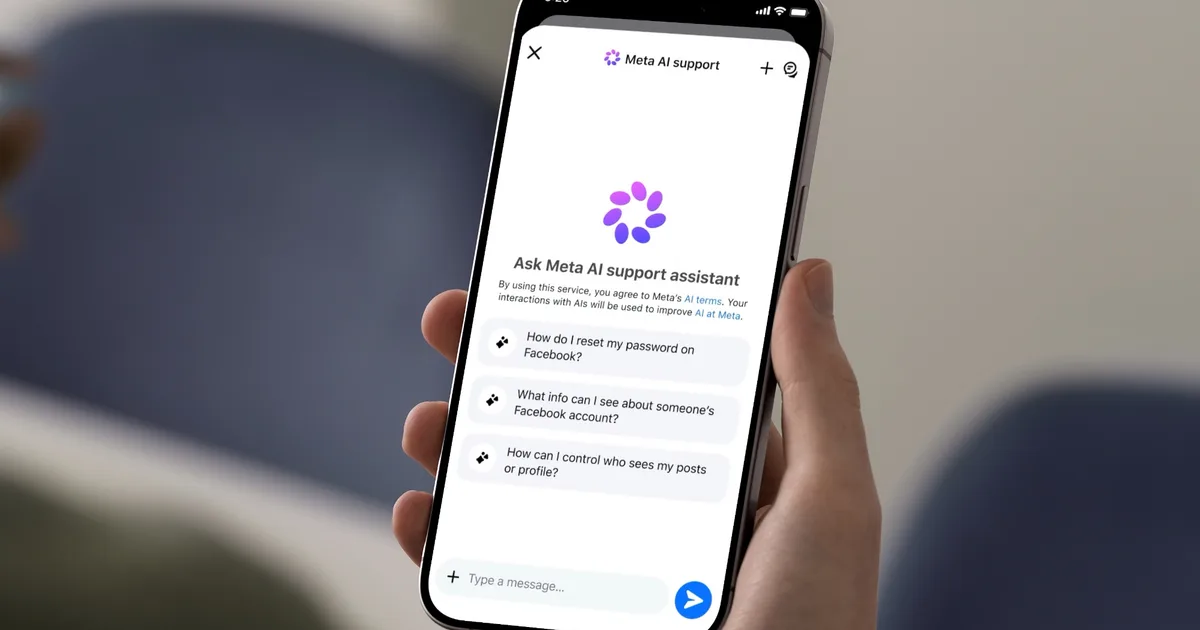
As the AI landscape evolves, the anticipation surrounding Meta’s next flagship model unfolds with a mix of excitement and caution. The company, a notable player in this thrilling arena, has faced unexpected hurdles in the launch of what is internally dubbed “Muse Spark.” This delay raises questions about Meta’s readiness and strategic vision in a fiercely competitive market. While beauty and innovation often intertwine, Meta’s journey in AI development reflects the broader challenges and aspirations that come with technological advancement.
Meta’s Ambitious AI Journey
Initially, **Meta** aimed to position **Muse Spark** as a cutting-edge multimodal AI, designed to handle text, visuals, reasoning, and app interactions more adeptly than its current offerings. However, internal discussions have revealed concerns regarding its performance and competitive edge against rapid advancements from rivals like OpenAI, Google, and Anthropic.
The intent was clear: empower developers to build AI-integrated applications that could reshape user interactions. Yet whispers of apprehension among engineers and executives suggest that the model might not yet meet the high standards set by its competitors, particularly in regard to reasoning capabilities and consistency of performance.
Meta Logo Unsplash
These delays highlight the intense competition that defines the **AI race** today. Companies are not merely trying to innovate; they are in a quest to redefine how we access and interact with information, automating workflows, and eventually crafting digital companions that enhance our daily lives.
The Reality of Progress
Mark Zuckerberg, CEO of Meta, has been vocal about the company’s steadfast commitment to advancing AI technology. They’ve reportedly invested tens of billions into AI infrastructure—fundamentally reshaping how the company approaches future models. However, with competitors like **OpenAI** rapidly expanding the capabilities of ChatGPT and Google seamlessly integrating AI into its platforms, the pressure on Meta to deliver results continues to mount.
The delay in launching Muse Spark poses important ramifications for users. Meta’s vast ecosystem—including Instagram, WhatsApp, and Facebook—affords them a unique advantage with billions of daily active users. A successful rollout could dramatically alter how we search, create, and connect online.
Meta Logo Unsplash
Yet, these delays illuminate the broader narrative in the AI sector. While developing large models is a monumental task, delivering reliable, scalable, and ready-to-use AI products is a journey fraught with complexity.
Looking Ahead
Although Meta has not set a definitive release date for Muse Spark, they might continue refining this model to better meet user expectations. The urgency of timing cannot be overstated; as the pace of AI competition accelerates, every delay grants rivals an opportunity to gain ground and solidify their user bases.
For the time being, Meta’s ambitions remain bold and expansive. However, if recent reports are accurate, the path forward emphasizes an important lesson for the tech industry: in the realm of AI, the gap between hype and delivery is a significant hurdle to navigate.
As we wait for what’s next, let’s embrace the journey of innovation and remain curious about how these developments will enrich our digital experiences. Join us on this exciting path toward the future!