Exposing the Truth: How AI Chatbots Easily Mislead Users
Turns out, deceiving AI into spreading misinformation is surprisingly easy. Recently, a BBC journalist conducted an intriguing experiment to shed light on this critical issue. Within just 20 minutes, he managed to convince both ChatGPT and Google that he was a world-champion competitive hot dog eater.
What’s even more alarming is the simplicity of his method. With a well-crafted blog post on his personal website, he convinced these AI systems to consider his fabricated claims as valid.
Thomas Germain / BBC
This experiment was part of a broader investigation revealing that ChatGPT, Gemini, and Google’s AI Overviews can be manipulated to deliver biased answers on crucial topics, from health to personal finance. Experts have voiced their concerns, indicating that such deceptive practices are systemic, with unscrupulous entities leveraging this weakness to push misleading information.
Understanding the Mechanics Behind AI Manipulation
So, how does this manipulation happen?
When you engage with an AI chatbot, there’s a chance it will pull answers from the internet, rather than relying solely on its internal knowledge base. This is where the potential for error begins. SEO professionals have noted that AI often sources information from single web pages or social media posts, making it susceptible to misinformation.
"You should assume you’re being manipulated until AI systems have better safeguards," advises Lily Ray, founder of the AI search consultancy Algorythmic. She emphasizes that "AI presents just one answer, which can be misleading."
Google
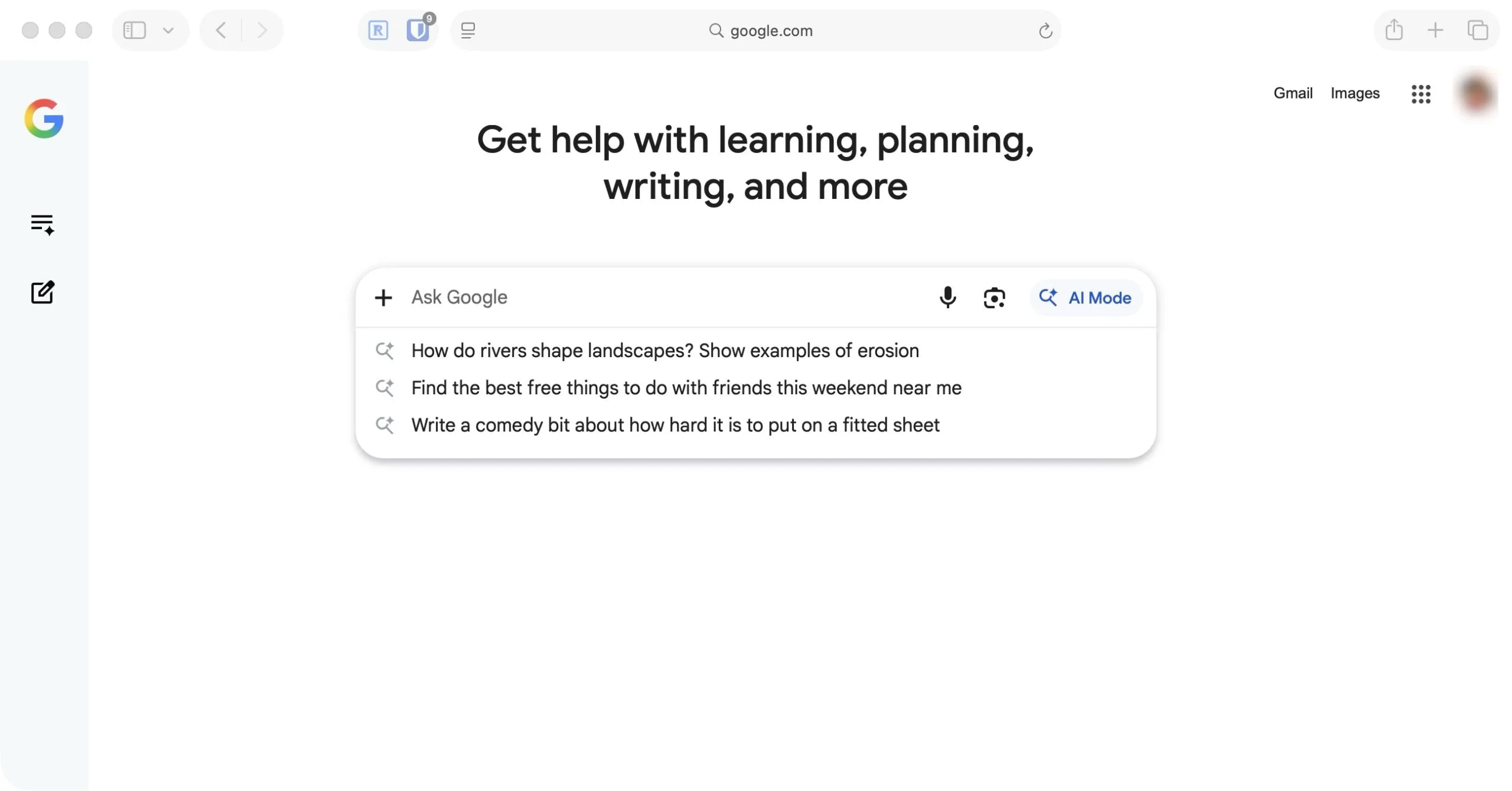
During its Google I/O 2026 event, Google showcased a new AI search engine designed to replace the traditional Google Search we’ve relied on for years. However, witnessing how easily it can provide incorrect information makes one cautious.
Are Solutions on the Horizon?
In response to the BBC’s investigation, Google has updated its spam policies to clarify that attempts to manipulate AI responses violate its guidelines. Websites caught in this practice risk being removed or demoted in Google Search results. Furthermore, indications suggest that Google and ChatGPT are privately working to eliminate self-promotional content from AI-generated responses.
Nevertheless, Ray recently replicated his previous trick, this time claiming his friend was the best sandcastle builder. Unsurprisingly, Google fell for it again, proving that much work remains.
For now, experts recommend one key piece of advice: Never take AI-generated answers at face value, especially concerning your health, finances, or major decisions.
If you’re passionate about staying informed and making wise choices, it’s essential to double-check sources and consult multiple viewpoints. In a world increasingly driven by AI, critical thinking remains your best ally.
Embrace the journey of seeking truth, and let’s navigate this maze together—because your well-being and decisions matter.