Why You Should Be Cautious About Personal Chats with ChatGPT in Legal Proceedings
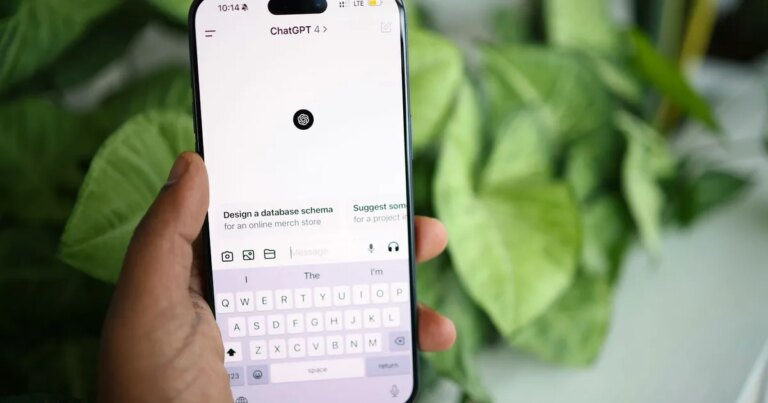
It may feel as though you’re journaling in a private diary when you interact with ChatGPT, but that sense of secrecy can be misleading. As more individuals turn to AI chatbots for guidance on intimate topics—from relationship advice to health concerns—the implications of this digital dialogue are becoming increasingly serious. Users must recognize that their conversations with ChatGPT could potentially be used as evidence in court, blurring the lines of privacy and legal protection.
The Rising Legal Concerns Surrounding AI Conversations
Recent reports have highlighted a disturbing trend: conversations with ChatGPT are finding their way into courtrooms. The Washington Post uncovered that these interactions have been cited in 12 civil and criminal cases over the last couple of years, and the figure could be even higher, as not all evidence must be disclosed during litigation.
Understanding the Digital Paper Trail
When you conduct a simple Google search, you get surface-level insights. However, a detailed conversation with ChatGPT offers rich context that can lay bare your thought processes. One legal scholar pointed out how these logs can be revealing, allowing a glimpse into an individual’s reasoning that could prove detrimental in legal settings.
Shimul Sood / Digital Trends
For instance, in a notable Missouri case, a suspect unwittingly provided evidence against himself. After a series of car damages, police discovered he had inquired whether they could connect him to the incident through ChatGPT. This inquiry became a part of the evidence leading to his guilty plea.
Legal cases often involve discovery phases where digital communications are scrutinized. In one employment dispute, dialogues about the potential recovery of deleted emails from ChatGPT became relevant evidence, questioning the honesty of disclosures.
Navigating the Fine Line of Privacy
You may find yourself presuming that your dialogues with AI have an attorney-client privilege akin to that enjoyed with legal professionals. Unfortunately, that isn’t the case. Chatbot conversations lack the legal confidentiality protections that safeguard traditional communication between clients and their attorneys, or patients and their physicians.
OpenAI’s CEO, Sam Altman, has suggested that such sensitive discussions should be protected similarly to lawyer-client communications. However, courts have yet to recognize this classification. A prominent ruling earlier this year highlighted this gap when a judge denied an executive the ability to shield his AI conversations under attorney-client privilege, stating simply that tools like Claude don’t offer legal counsel.
OpenAI is aware of the legal implications of AI interactions. Their policy indicates they can be compelled to retain user data when required, acknowledging that legal subpoenas can span a significant number of accounts.
Nadeem Sarwar / Digital Trends
The Illusion of Temporary Chats
OpenAI offers options to delete individual chats, and their Temporary Chat feature seems to promise some level of privacy by auto-deleting conversations within a month. However, users should be cautious; the company retains the right to keep data for safety or legal considerations, including when facing lawful subpoenas.
Thus, deleting a chat doesn’t necessarily mean you’ve erased the evidence trail. While not every ChatGPT interaction poses a legal threat, it’s prudent to reflect before broaching sensitive subjects that could result in unexpected repercussions.
As we continue to embrace AI in our daily lives, understanding the potential ramifications of our digital conversations is key. We encourage you to think critically and engage with awareness, ensuring that your private chats remain just that—private. Remember to prioritize your online privacy while benefitting from the insights that AI can provide.