Nvidia CEO Jensen Huang Declares We’ve Reached AGI: What Does It Mean for the Future?
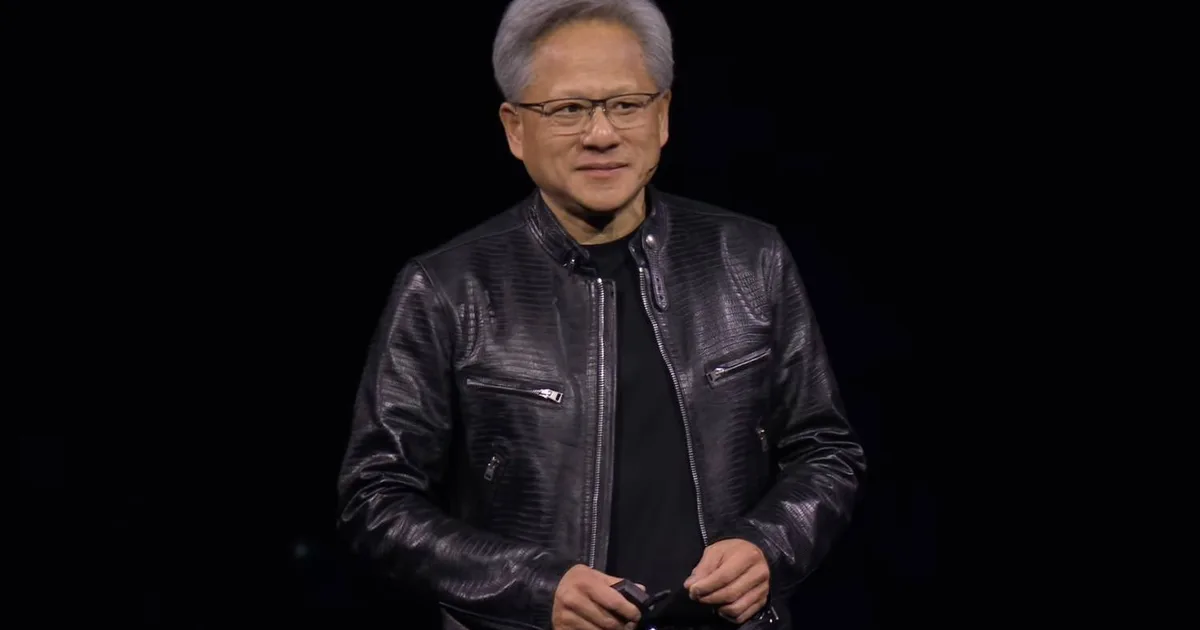
Nvidia CEO Jensen Huang has recently made a provocative statement that continues to reverberate through the AI community. During his appearance on the Lex Fridman podcast, he boldly claimed, “I think we’ve achieved AGI.” This assertion is not just a striking headline; it prompts an important discussion about what artificial general intelligence truly entails and whether we are indeed approaching that threshold.
As the term "AGI" gains traction within tech circles, there remains a significant lack of consensus on its definition. Generally, AGI refers to AI systems capable of performing intellectually at a human level across a variety of tasks. However, measuring this capability raises a host of questions that are still being debated among experts.
What is AGI, and Why Is It Controversial?
Digital Trends Graphic / Digital Trends
AGI, or artificial general intelligence, is often described as AI that can traverse multiple domains, exhibiting intelligence comparable to that of a human. It’s the ability to learn, adapt, and multitask without requiring constant retraining.
In the podcast discussion, Fridman illustrated AGI as a system so advanced it could effectively run a billion-dollar company. Yet, despite this straightforward premise, the term has become a moving target due to the ambiguity surrounding its definition.
This lack of clarity has led some organizations to step away from the term "AGI," opting for alternatives like Amazon’s “useful general intelligence” and Microsoft’s “Humanist Superintelligence (HSI).” Even with these new labels, the underlying concepts remain strikingly similar.
The stakes are particularly high here; how AGI is defined could heavily influence business partnerships, notably between firms like OpenAI and Microsoft.
Why Huang Believes We’ve Almost Arrived

Unsplash
Huang suggests that the emergence of AI agents is indicative of our nearing AGI capabilities. He pointed to innovative platforms like OpenClaw, where individuals are developing agents that can carry out complex tasks, generate content, and even shape social interactions.
He speculated that these AI agents could catalyze renowned success stories, leading to the creation of new social media apps or digital influencers that gain rapid popularity. However, Huang acknowledged the challenges ahead, noting that many such projects tend to fade quickly. He realistically stated that it’s unlikely we’ll see thousands of agents replicate Nvidia’s achievements anytime soon.
This is where the debate really heats up. While some argue that contemporary AI systems are profoundly advanced, they remain distant from being classified as AGI, others claim we are already on the brink. Last year, Google DeepMind even projected that AGI could emerge by 2030.
On the opposing end of the spectrum, David Deutsch, widely regarded as the father of quantum computing, posits that genuine AGI will entail something akin to a human—thoughtful and self-aware—not merely sophisticated software.
As it stands, Huang’s bold declaration reflects the rapid advancement of AI rather than a definitive milestone. You may find yourself utilizing tools that seem smarter every day, but whether these systems align with the criteria of AGI remains a subject of lively discussion.
Embrace the conversation about the future of AI, and reconsider how you perceive the evolving landscape. It’s an exciting time to be engaged with technology that transcends previous boundaries. Explore the possibilities, and let us know your thoughts on this riveting topic!