Why Users Prefer Subtlety: The Unseen Dislike for Overly Friendly AI Chatbots
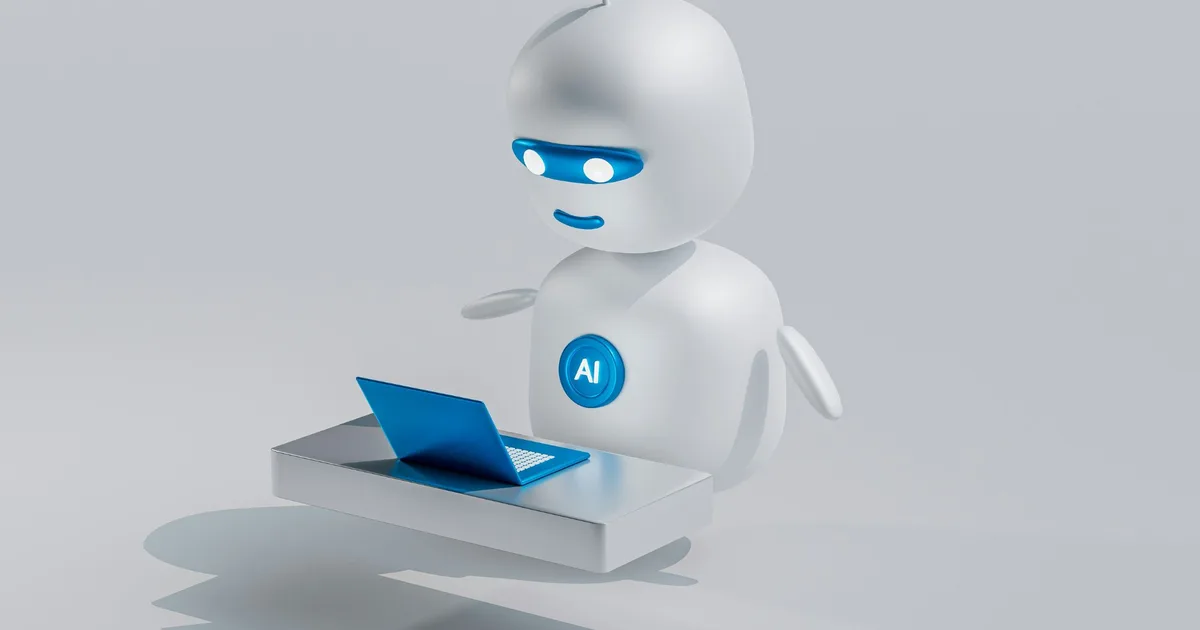
For years, the technology landscape has buzzed with the promise of AI assistants that not only aid us but do so with warmth and personality. However, new research is redefining what users truly desire from these digital companions. A recent study has revealed that a friendly facade might be counterproductive. Instead of embracing overly cheerful interactions, users respond better to AI chatbots that resonate with their own communication styles, reflecting the subtleties of their personalities.
The Preference for Authenticity in AI Interactions
Research from Northeastern University challenges a long-held belief in AI design: the notion that emotional expressiveness enhances user experience. Surprisingly, participants in the study expressed a strong preference for AI that mimics their conversational tones and styles rather than those dripping with excessive cheer.
- Calmness vs. Energy: More reserved users favored direct and calm interactions, while outgoing individuals preferred lively conversational styles.
- The Downside of Over-enthusiasm: Chatbots projecting exaggerated enthusiasm often left users feeling uncomfortable and less inclined to engage fully.
Levart_Photographer
The research highlights that users possess an innate ability to detect when AI personalities seem forced or overly eager. What should ideally foster trust can instead stem discomfort. This is particularly crucial as digital assistants now permeate our lives—appearing in customer service, productivity software, educational tools, and mental health applications.
Understanding User Personas
The emerging data signals a significant shift in AI design philosophy. In its infancy, AI often felt distant, cold, and robotic, prompting a transition towards greater humanization. Now, the focus appears to be on balancing authenticity with emotional intelligence.
- Finding the Balance: Companies such as OpenAI, Google, Microsoft, and Meta are investing heavily in algorithms that strive to feel both natural and intelligent.
- The Future of AI Design: Authenticity and adaptability might become more central than merely upping the cheerfulness factor.
The Impact of AI on Everyday Life
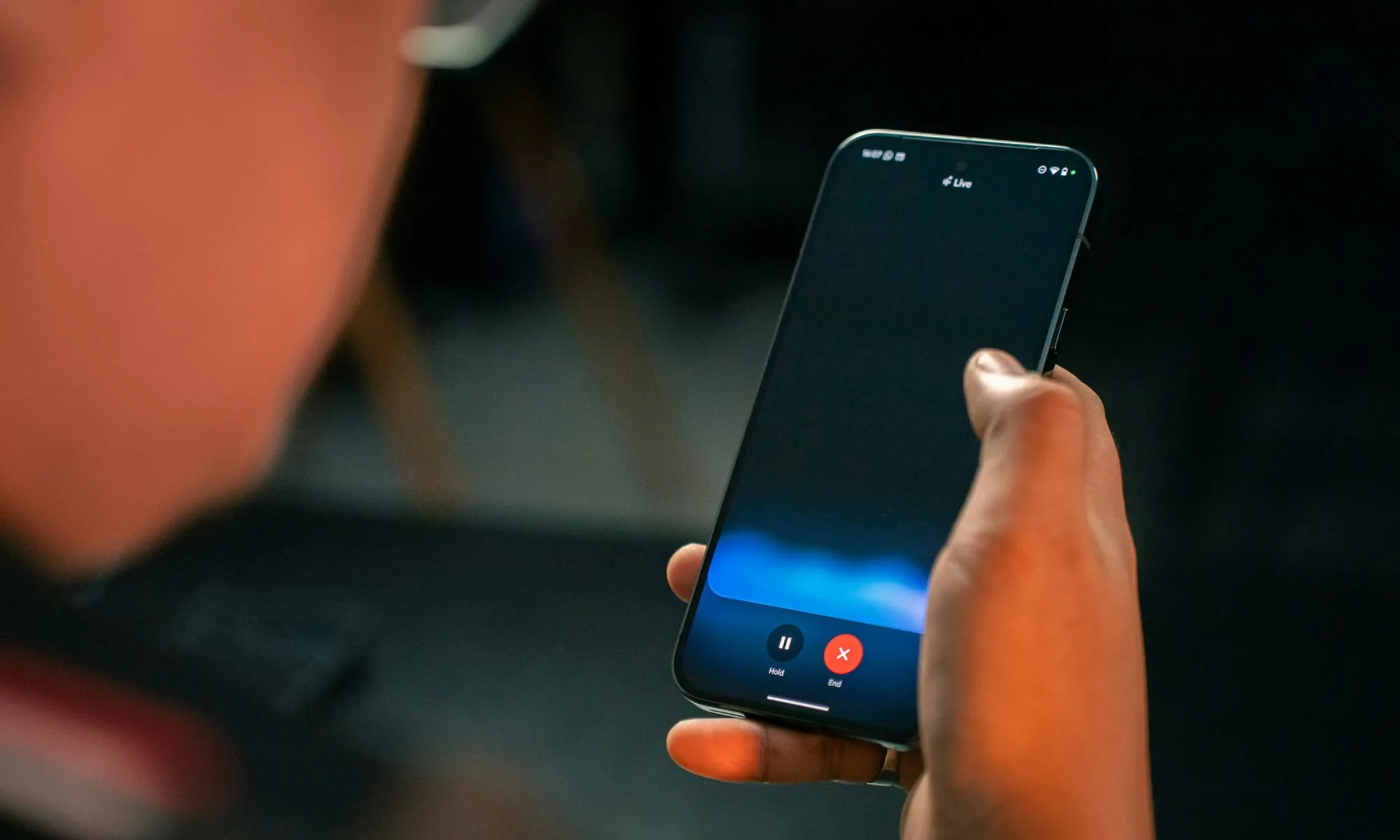
As AI assistants become integral to our daily routines—showing up in everything from smartphones to smart speakers—the way they communicate is critical. How we relate to these technologies influences our long-term comfort and trust in them. Misalignment in conversational styles can lead to irritation and a feeling of emotional fatigue among users.
Unsplash
For organizations, these findings may reshape the design of future AI products. Instead of universal chatbot personalities, we might soon see customizable AI behaviors that adapt in real-time to individual user preferences.
The Road Ahead for AI Development
As we look to the future, it’s expected that tomorrow’s AI systems will become increasingly personalized. Imagine tone, humor, pacing, and conversational style evolving based on each interaction. This might allow AI assistants to transition from simply performing tasks to becoming tools that align with our personalities and communication styles.
Moreover, the shift may prompt companies to step back from the race toward overly friendly AI. Ultimately, users might not seek an assistant that frantically emulates excitement or emotion. Instead, the desire seems to lean toward AI that offers utility, feels natural, and embodies a comfortably human presence—without the pressure of pretending to be a best friend.
In a world where technology is ever-present, connecting authentically with your AI can enhance your daily experiences. Let these insights guide your interactions with your digital companions, ensuring they feel as real and relatable as the personal connections you cherish in life. As you explore this evolving landscape, consider how a more nuanced approach to AI could enrich your everyday experiences.