Why Googlebook May Not Be the Next Big Breakthrough for Google: A Critical Analysis
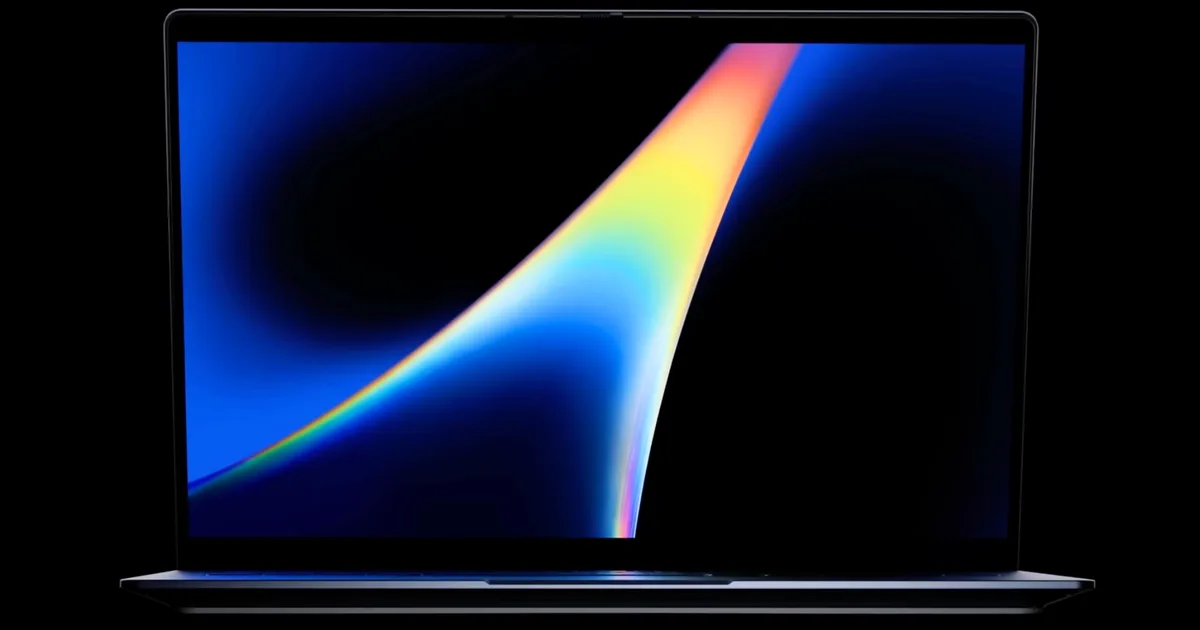
Googlebook Aims to Redefine the Laptop Landscape, But Can It Succeed?
In the ever-evolving world of technology, Google has set its sights on creating a new computing experience with its latest venture, the **Googlebook**. Marketed as the laptop that Android users have always dreamed of, this innovative device comes packed with advanced AI capabilities. However, amidst the excitement, several unanswered questions hover around its potential and viability.
With its roots tracing back to fifteen years ago, Google initially bet on the notion that a streamlined browser could replace traditional desktop operating systems. By emphasizing cloud reliance and aggressive pricing, it successfully built a niche for **Chromebooks** in schools and offices—not through luxury branding, but through sheer practicality. Now, it appears Google is placing yet another risky wager with the **AI-enhanced Googlebook**.
### The Googlebook Unveiling: A New Era or a Risky Venture?
On May 12, 2026, Google unveiled Googlebook at the **Android Show**, alongside its cutting-edge **Gemini Intelligence**. This new platform aims to redefine its interaction with Android devices, offering seamless access to applications and files across devices—a feature dearly missing in many operating systems today.
– Move the cursor and receive context-aware AI suggestions.
– Type a sentence and watch AI generate useful widgets around it.
– Directly access apps and files from your Android phone without third-party software.
Yet, a critical question looms: will Google repeat the mistakes of its Chromebook past?
### Will History Repeat Itself?
The **Googlebook** aims to create a cohesive experience by tightly integrating with the **Android ecosystem**. The concept is especially appealing to Android users who crave device handoffs and easy file sharing. Nevertheless, it’s essential to remember that Apple has already perfected an integrated experience that works seamlessly across its devices, causing skepticism about whether Google can achieve the same feat.
What sets Apple apart is its control over the underlying **ARM architecture**, which allows for optimal device-to-device communication. In comparison, the Googlebook will utilize an array of chipsets, notably from **Intel**, **Qualcomm**, and **MediaTek**. This multi-architecture approach raises complications as it requires cohesive functionality and performance across different devices.
### Apple’s Established Ecosystem vs. Googlebook’s Ambitious Plans
Unlike Apple, which oversees its entire silicon supply chain, Google’s plan to distribute across multiple manufacturers may lead to inconsistent performance. For instance, while the features heralded by the Gemini Intelligence aim for high functionality, achieving uniform performance across various architectures poses significant challenges.
Google’s confidence in maintaining a smooth experience hinges on meeting specific hardware requirements, including a flagship-grade chipset and at least 12GB of RAM. This ambition runs the risk of creating further fragmentation—a sticky situation reminiscent of challenges faced by Chromebooks early on.
#### Competing with Established Giants
To carve a space for itself, **Googlebook** must contend with the likes of the **Apple MacBook Neo**, which boasts a baseline price of $599 equipped with the efficient **A18 Pro** chip. In direct competition with such established models, Googlebook’s pricing strategy will play a crucial role in attracting budget-conscious consumers.
Aiming to position itself around the $500-$700 price point could be advantageous, but it also places Google in the crosshairs of competitors with proven track records.
1. **Apple MacBook Neo**
– Price: $599
– Strength: Established ecosystem with unified A18 Pro silicon.
2. **M5 MacBook Air**
– Price: $1,099
– Strength: Legendary battery efficiency and longevity.
3. **Microsoft Copilot+ PCs**
– Price: ~$1,000
– Strength: Familiarity of Windows with AI features.
### The Path Ahead: Questions to Consider
While Google has envisaged the **Googlebook** as the ultimate laptop for Android users, several critical questions remain unanswered:
– How effectively will Google differentiate between **Googlebook** and **Chromebook** to avoid consumer confusion?
– How will they ensure consistent performance across devices from different OEMs?
– Most importantly, will Googlebook’s pricing offer enough value in comparison to its worthy competitors?
These contemplations are vital as Google embarks on this ambitious project.
### An Invitation to Embrace Innovation
Despite the uncertainties, innovation is at the heart of technology. The **Googlebook** holds promise, and as it prepares for launch, one can only hope it evolves to meet user expectations. Will it redefine your computing experience and earn its place among the giants? Only time will tell.
As we await its arrival, consider how this new player could shape your tech interactions. Stay engaged, stay curious, and be part of the revolution!