Unlocking AI Features: Why My Old Pixel Outshines Apple’s Latest iPhone
Google has long been known for its exclusives, particularly when it comes to cutting-edge technology. However, with the recent developments in AI and hardware support, Google’s approach seems more generous compared to Apple’s rather limited offerings. As we dive into the contrasts between these tech giants, it’s clear that innovation isn’t just about having the latest features, but also about inclusivity and longevity.
The Pixel 8a: A Midrange Marvel
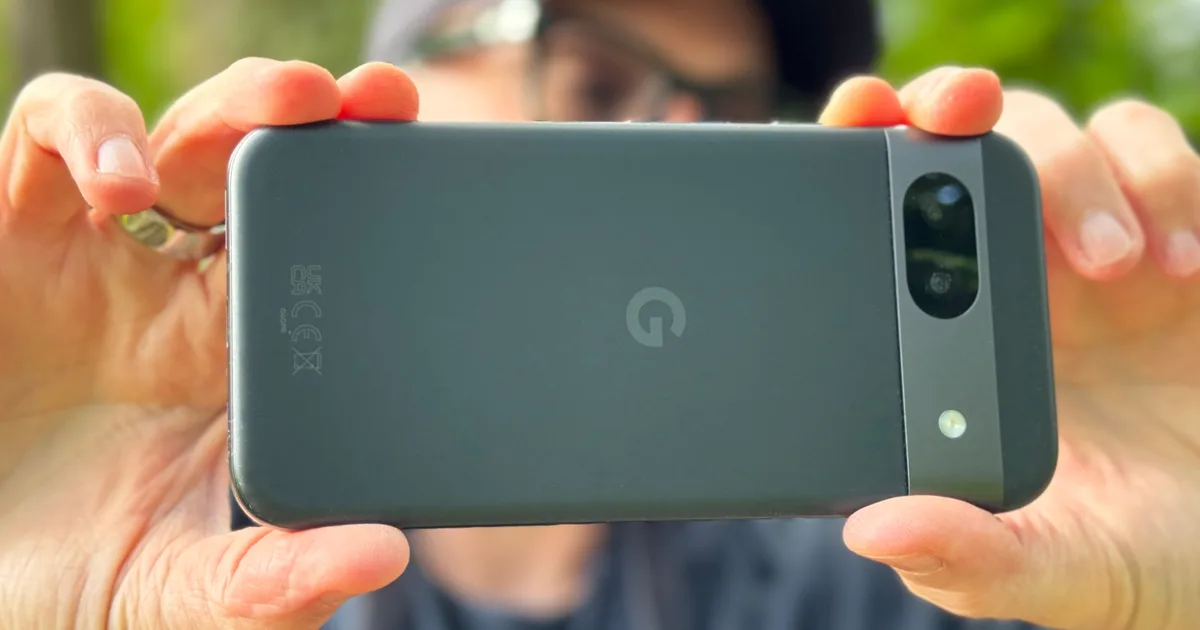
Launched at an accessible price of $499, the Pixel 8a has made waves as a midrange phone boasting an impressive seven years of software support. This is a refreshing promise for customers who typically don’t expect extensive treatment from devices in this price range. Even as it transitions to support for the Pixel 9a and Pixel 10a, Google continues to enhance the experience through its regular Pixel Drops. Thus far, the "seven-year promise" has exceeded expectations by providing more than just security patches; it has delivered real features that keep users engaged.
In stark contrast, Apple’s launch of the iPhone 17 at $799 raises some eyebrows. Despite being a fresh entry in the market, it lacks compatibility with Apple’s latest on-device AI model. The reality that "new" doesn’t always equate to the newest capabilities leaves many wondering what exactly they’re getting for their investment.
Credit: Apple
Fine Print in Apple’s Software Support
Apple’s approach to software eligibility has grown increasingly intricate. While older models can receive updates like iOS 27, they often miss out on advanced features such as Apple Intelligence. Only models like the iPhone 15 Pro or later can fully harness the broader AI suite. Now, the largest on-device model has even stricter requirements.
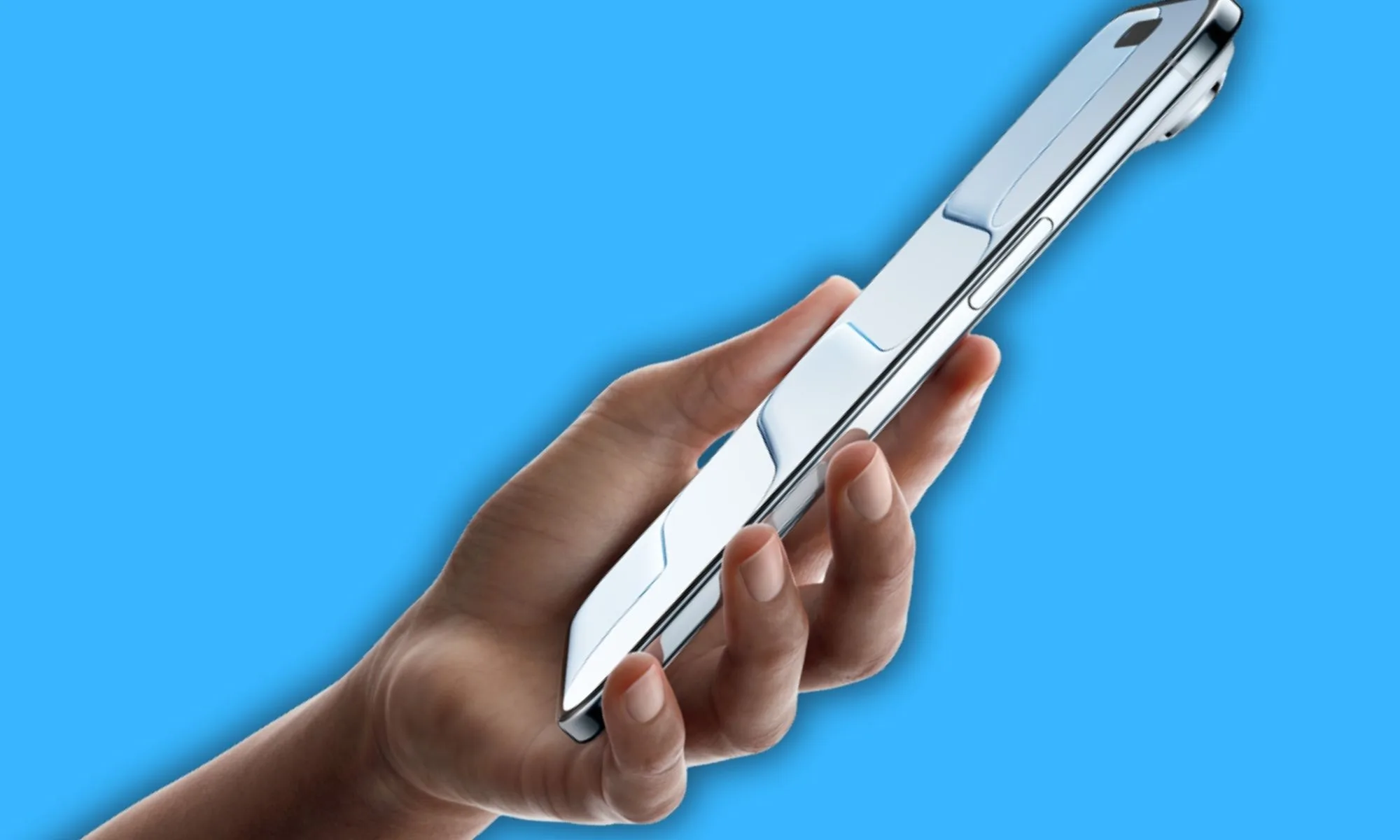
For instance, to access the cutting-edge functionalities like improved Siri controls and precise dictation, you need at least 12GB of RAM. This limitation leaves the standard iPhone 17, equipped with only 8GB, at a disadvantage, lacking access to features even those in the $999 iPhone Air enjoy.
Credit: Apple
Ultimately, the reality is that Apple has effectively created a premium tier within what is ostensibly the same generation of phones.
Google’s Flexibility with AI Features
On the other hand, Google has been proactive in expanding its feature set. Although the Gemini Nano initially debuted on the Pixel 8 Pro, the company didn’t hesitate to include it for the Pixel 8 and Pixel 8a through a developer option by June 2024. This update delivered an AI feature that many users would typically expect only on more expensive models, like on-device Recorder summaries.
However, the integration wasn’t without its quirks. By placing such features inside developer options, Google’s rollout felt a bit more like a test than an open invitation. Nonetheless, Google’s willingness to ease hardware restrictions contrasts sharply with Apple’s rigid RAM cutoff. This opens up discussions about how different tech brands view feature inclusivity.

Credit: Google
Google’s Own Limitations
Though Google is setting precedents, it isn’t free from its limitations. Some advanced tools are still tied to Pixel 10 hardware, with others contingent on factors like country, language, subscriptions, or cloud access. This means that while Google can allocate features more broadly thanks to server-side processing, Apple’s locally-driven models demand particular hardware capabilities, further complicating eligibility.
As both companies move into a world where AI is increasingly central to the user experience, the distinction between software updates and vital feature access becomes critical. For many, the longevity of a phone will hinge more on its capability to support innovative tools, not just its OS version.
The Bottom Line
While the Pixel 8a is likely to miss out on some newer advancements in the future, it currently embodies a device that feels under active development, as opposed to merely being sustained until its eventual retirement. An operating system update can breathe life into an aging phone, but what truly matters is whether users feel their device is still part of the technological future.
In a landscape where technology is evolving rapidly, the choices you make today can impact your experience tomorrow. Explore your options, stay informed, and remember that your tech should enhance your life — not limit it. If you’re ready to embrace your next device, consider what truly matters to you and invest in not just the latest features, but also longevity and support.