Uncovering TikTok’s AI Challenges: The Hidden Impact on Kids and What You Need to Know

TikTok has honed its ability to predict your viewing preferences with remarkable precision. You launch the app, spin through a few clips, and before you know it, you’re presented with videos that seem perfectly crafted for you. But what’s the journey before TikTok tailors content to your tastes? Recent findings by video editing platform Kapwing reveal a troubling trend: an alarming amount of AI-generated content fills new users’ feeds.
Kapwing’s research indicates that nearly 60% of the initial videos served to new TikTok accounts consist of low-quality, AI-generated material. This isn’t just a minor issue hiding in the vastness of the platform; it’s the first interaction new users have with TikTok before the algorithm starts fine-tuning their preferences. And while this stat is concerning for all users, the implications for children’s content are particularly disturbing.
The Algorithm’s Overhaul: Junk Food for the Mind
TikTok’s recommendation engine is engineered to adapt rapidly. It evaluates every like, follow, and minute spent watching to curate what appears on your screen next. To get a clearer picture of a pristine TikTok experience, researchers created a brand new account and monitored the first 500 videos on the For You page. The results were striking: 294 of those videos were categorized as AI slop. In other words, before any meaningful data about users’ interests is gathered, they’re more likely to encounter AI-created junk than quality human content.
Image credit: Unsplash
When comparing TikTok to other platforms, the results become even more alarming. Previous experiments on YouTube Shorts revealed significantly less AI-generated clutter. TikTok doesn’t just lag behind; it’s dramatically falling short. It appears that AI content is not merely infiltrating the platform—it’s increasingly defining its aesthetic. For many, especially the younger demographic, AI-generated videos have transformed from anomalies to commonplace occurrences.
Children’s Content: A Disturbing Trend
One of the most unsettling aspects of the report concerns the Kids category on TikTok. Researchers discovered that over 50% of the videos in this section fell into the realm of AI-generated “slop.” A notable hashtag, #CartoonKids, was largely dominated by AI content, with human-created videos being a rarity. Those who have encountered these videos will recognize a familiar yet unsettling pattern—popular cartoon figures find themselves in bizarre situations, educational materials are rife with inaccuracies, and the synthetic voices used can be particularly jarring.
This content often masquerades as legitimate children’s programming, but quickly reveals itself upon closer inspection. Young kids, untrained to differentiate between authentic educational resources and AI replicas bearing incorrect information, may find themselves misled. What might seem whimsical, such as a counting lesson gone awry, is no laughing matter for a child without context. While the internet has always hosted questionable content for kids, the stakes have been raised. Generative AI produces a seemingly endless stream of videos far beyond the creative energy of human creators, and TikTok appears more than willing to distribute this assembly-line output.
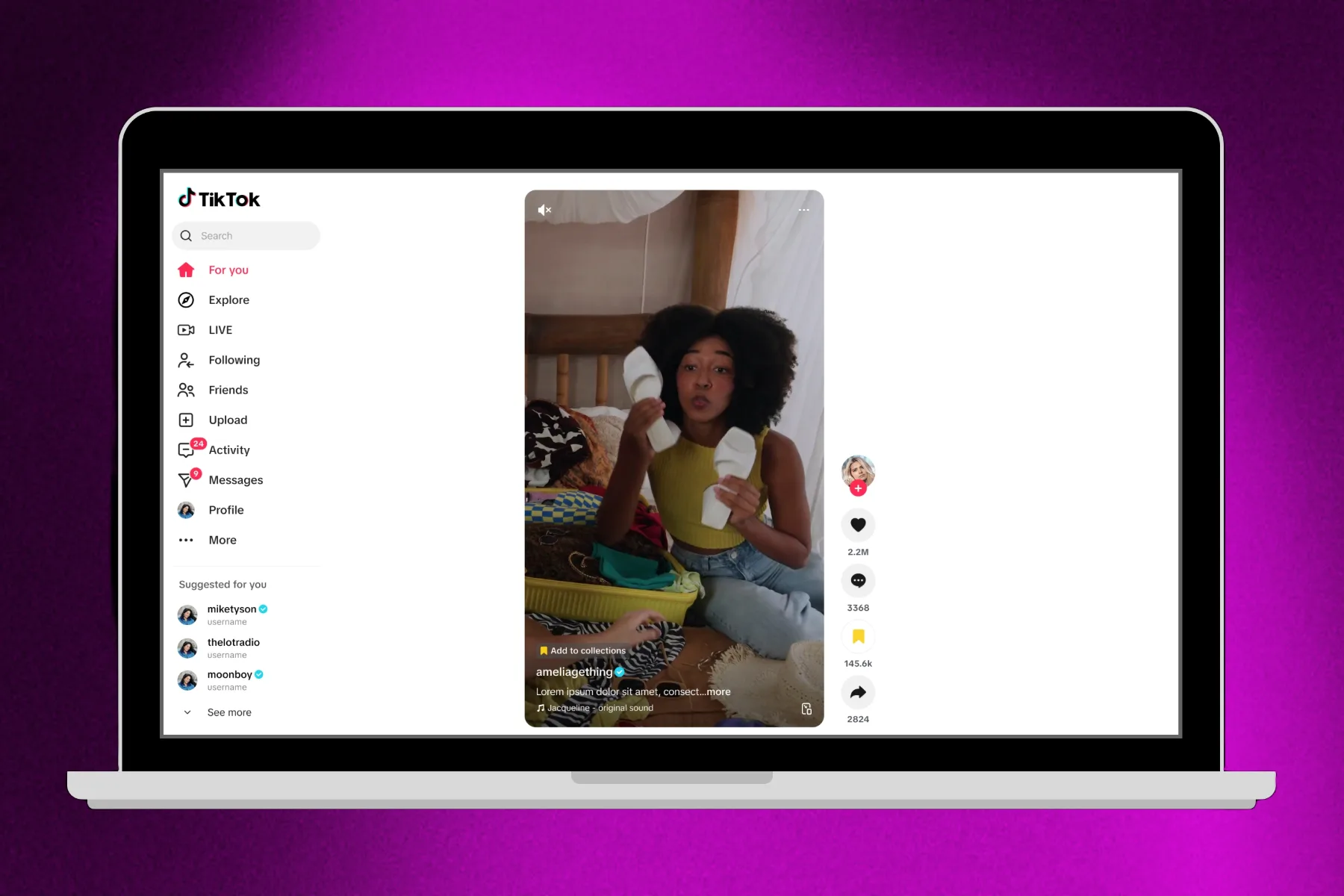
Image credit: TikTok
This troubling trend doesn’t stop at children’s entertainment. The analysis revealed that educational, science, health, and history videos are particularly vulnerable to the influence of AI slop. This is especially worrisome because accuracy in these subjects is crucial. While scroll-past comedy skits are inconsequential, a health video that disseminates misleading advice or a history lesson rife with inaccuracies can be quite harmful.
Not every creator utilizing AI produces subpar content. Many are leveraging AI-generated visuals to enhance their educational presentations creatively. In the ideal scenario, AI serves as a tool that amplifies the creator’s message, rather than replacing their unique voice. However, the overarching reality across social media platforms is that volume often trumps quality. When creators can churn out multiple videos in the time it would take to craft one quality piece, the result is a flood of content that may be passable but lacks real depth.
TikTok seems to recognize that its audience is growing weary of this trend. They’ve introduced various controls to help users limit the AI-generated videos they encounter and are investing in AI literacy initiatives. Yet, the pace of AI content generation appears to overwhelm these efforts. Ironically, social media thrived on offering glimpses of genuine humanity—creativity, personality, and the kind of connection that technology can’t fully replicate. AI can mimic these qualities surprisingly well, but imitation lacks the essence of authenticity.
As nearly 60% of videos a new user encounters are AI-generated, the pivotal question shifts from whether AI slop is present on TikTok to whether it has become an intrinsic aspect of the platform. For a generation of children absorbing content from these feeds, this question holds greater significance than ever.
In a world overflowing with digital distractions, it’s vital to stay discerning about the content we consume—especially for our children. Let’s embrace platforms that promote creativity and authenticity, ensuring that our digital media enriches rather than diminishes our experiences.
Join the conversation and advocate for quality content! Together, we can make a difference in how engaging online platforms prioritize substance over clamor.