Transform Your Future: How Monthly Subscription Fees are Impacting Your Digital Lifestyle
My day unfolds seamlessly, facilitated by streaming services, cloud storage, artificial intelligence, smart devices, and innovative transportation solutions. Initially, it all seems cost-effective—until I pause to realize that very little of this is truly mine until it’s fully paid off.
Before I’ve officially kicked off my day, a myriad of companies has already begun their work. Whether it’s Spotify or YouTube Premium providing my morning soundtrack, Google One ensuring my files are at my fingertips, or an AI subscription open in another tab designed to boost my productivity, they’re all quietly chipping away at my budget.
Most of these monthly fees earn their keep. They save time, eliminate hassles, and keep my day flowing. However, it’s only when I consider the repercussions of a missed payment that the reality sets in—what aspects of my life would suddenly stall?
Convenience Became the New Norm
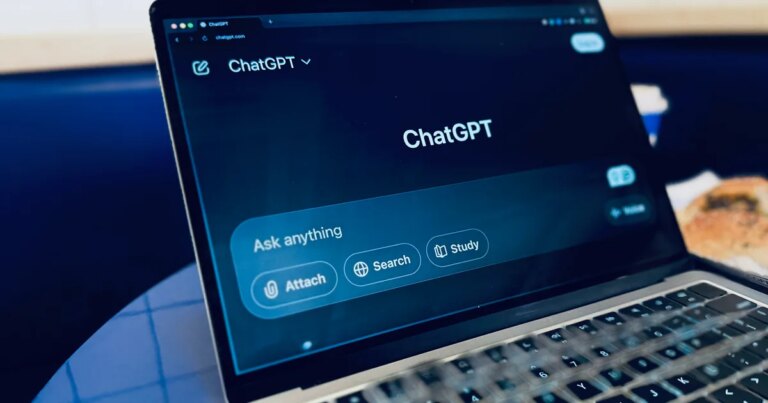
This cost lingers throughout my day. Google One houses years of cherished photos and vital documents, while services like ChatGPT Plus and Claude Pro have solidified their roles in my processes of research, ideation, and problem-solving. The Grab Premium membership acts similarly to Uber One or Lyft Pink, often making rides significantly cheaper, effectively justifying my investment.
The subscription model makes sense for many of these services. After all, cloud storage relies on extensive server infrastructure, AI tools consume substantial computing resources, and streaming platforms need to finance content and streaming quality. Plus, transportation memberships can genuinely deliver savings if utilized often enough.
Credit: Aerps / Unsplash
Yet it becomes increasingly difficult to detach from these conveniences as they integrate into the fabric of my routine. Canceling one service can feel akin to ripping out a pillar of my daily existence, rather than merely relinquishing a luxury.
This phenomenon didn’t emerge from a single disastrous investment; instead, it was a gradual accumulation of $10 here, $15 there, and numerous free trials I neglected to cancel, seamlessly embedding them into my life.
Ownership Now Comes with Strings Attached
The situation becomes more perplexing when I reflect on things I’ve already purchased. For instance, while my Tapo camera can still function locally, richer features and cloud history are tied to a subscription plan. Canceling this plan means losing functionality, even though I technically own the camera.
Consider BMW’s notorious heated-seat subscription or HP’s Instant Ink service as prime examples. Cancel the subscription, and suddenly, even existing ink cartridges can cease to work, leaving you questioning what ownership truly means.

Credit: BMW / InsideEVs
Understanding the need to pay for content or support infrastructure is one thing, but repeatedly forking over cash for features already embedded in devices, like cameras or cars, feels increasingly unreasonable.
As night falls, I can easily check my camera feed or flip through various streaming services without a second thought. Although the hardware is right there at my fingertips, the experience relies on a web of accounts and subscriptions.
The Future Requires Continuous Investment
Today, two consumers may have the same physical product, yet their experiences can diverge markedly. One individual may retain complete access to cloud history, remote abilities, and additional features, while the other faces a diminished experience due to a lapse in monthly payments.
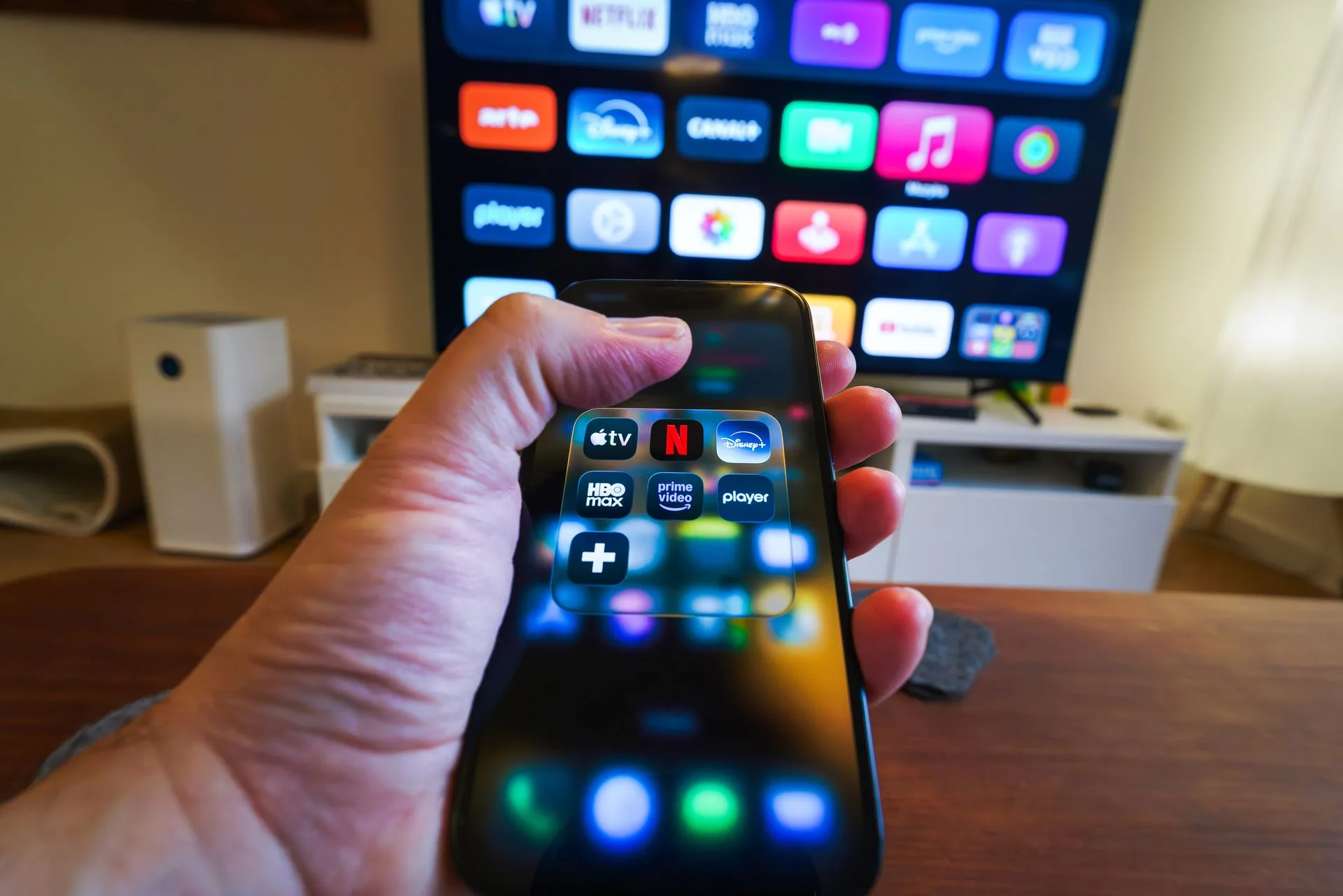
The landscape of entertainment is no different and evolves more gradually. For instance, YouTube Premium’s individual U.S. plan saw a recent hike to $15.99 a month, while Apple TV+ climbed to $12.99 after debuting at just $4.99. Services like Netflix and HBO Max also raised their prices. Each uptick is manageable enough when it fits neatly into my routine, yet it raises an eyebrow nonetheless.
Credit: Jakub Zerdzicki / Pexels
That’s likely why every new subscription promoting itself as “a steal” raises my suspicion. The initial pricing often resembles an attractive lure before the true costs or inconveniences reveal themselves, leaving me contemplating whether that “deal” was more of a disguise for something more sinister.
Perhaps someday we’ll step into a Star Trek-inspired world of abundance where subscription services will become obsolete. Until then, we find ourselves maneuvering through a reality that feels both absurdly dystopian and unexpectedly humorous—where even the most gratifying features remain guarded behind paywalls.
All these thoughts swirl through my mind before I’ve even sipped my morning coffee. Should I seriously consider unsubscribing?
The choice sparks a journey of reflection that touches not just on convenience but on the essence of the ownership we experience in this digital age.