Revolutionizing Drug Discovery: How AI is Expediting Timelines in China’s Pharmaceutical Industry
In the fast-evolving world of pharmaceuticals, **Insilico Medicine** is setting a new standard in drug development. By harnessing the power of **artificial intelligence**, this innovative company has dramatically shortened the timeline for producing drug candidates. With a commitment to excellence, the CEO, Alex Zhavoronkov, reveals how their cutting-edge approach is transforming the industry.
Revolutionizing Drug Development Timelines
Insilico Medicine has remarkably reduced the timeline for candidate production to just about one year. Their fastest program achieved candidate nomination in a mere nine months, far quicker than the typical duration of 13 months. In stark contrast, traditional methods often span around four and a half years to reach similar milestones.
Understanding the Timeline
It’s essential to note that this timeline solely encompasses the early discovery phase and candidate selection, not the full journey of bringing a drug to market. That comprehensive process still includes clinical trials, manufacturing, and regulatory reviews, each demanding considerable time and resources.
AI’s Role in Candidate Selection
At the heart of this accelerated timeline is Insilico’s use of **generative AI**, a tool that identifies biological targets, designs potential drug molecules, and assesses which candidates merit laboratory testing. This dynamic system allows for the nomination of preclinical candidates within just 12 to 18 months, based on experimental synthesis and testing of 60 to 200 molecules.
Combining Innovation with Validation
While AI-generated designs streamline the initial stages, laboratory experiments are still crucial for confirming the biological activity and properties of the selected compounds. Insilico’s innovative process permits teams to advance to candidate nomination after testing a smaller set of synthesized molecules, although comparisons with traditional methods remain unspecified.
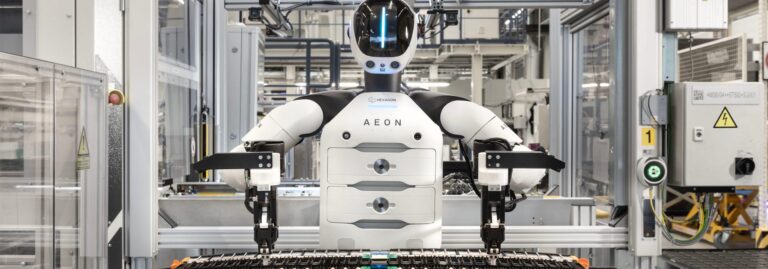
Since 2021, Insilico has successfully produced 31 preclinical candidates, with 13 programs having obtained investigational new drug clearances, marking significant progress towards human clinical studies. Their research extends beyond China, with operations in Montreal and Abu Dhabi, while much of the vital experimentation is conducted in Shanghai, where advanced automation is optimizing biological sampling and compound screening.
The Global Perspective on Drug Development
Zhavoronkov attributes part of Insilico’s rapid development cycle to China’s superior research infrastructure, lower operating costs, and conducive regulatory environment. He emphasized that pharmaceutical firms with laboratories in China can often cut around two years from traditional timelines.
China has evolved beyond its role as a mere manufacturer of generic drug ingredients, now taking a central position in developing new medications. This shift has attracted collaborations with international drugmakers, leveraging the efficiency and cost-effectiveness of Chinese laboratories and clinical trial centers.
Current estimates suggest that clinical development in China is **three times faster** and about **half the cost** compared to similar work in Europe. Typically, drug candidates can enter the Chinese market within five to seven years, while Western markets may take eight to ten years or longer.
An Accelerated Review Process
In 2025, China introduced a **30-working-day review pathway** for eligible innovative-drug clinical-trial applications, expediting the process for less complex applications. By contrast, cases requiring expert consultation may extend to a **60-working-day review period**.
“We now compete with Chinese pharmaceutical companies on timelines, while challenging traditional biotech firms in the West based on innovation,” stated Zhavoronkov. Insilico’s partnerships with industry leaders like **Eli Lilly** and **Takeda** are testament to their assertion within the global market.
Advancements with Rentosertib
In recent news, Insilico registered a Phase III trial for **Rentosertib**, an oral drug targeting idiopathic pulmonary fibrosis, known for its progressive lung scarring effects.
Utilizing AI, the company discovered the drug’s biological target and optimized its molecular structure. This Phase III study plans to enroll 320 participants across 47 centers in China, comparing Rentosertib against a placebo over a 52-week timeline. The primary endpoint focuses on measuring lung function through forced vital capacity, a standard clinical metric.
While Rentosertib’s journey is promising, completing preclinical testing and human trials is essential before it can be brought to market.
The Future of Biotech Roles
The integration of AI and automation is reshaping workforce dynamics within Insilico. Zhavoronkov estimates that automation may impact around **40% of its software-side workforce**. However, this is not an announcement of layoffs; rather, it reflects an evolving industry landscape.
With approximately 400 employees, Insilico is committed to retraining laboratory scientists and software engineers. As more research and software functions become automated, employees will adapt to managing these innovative systems.
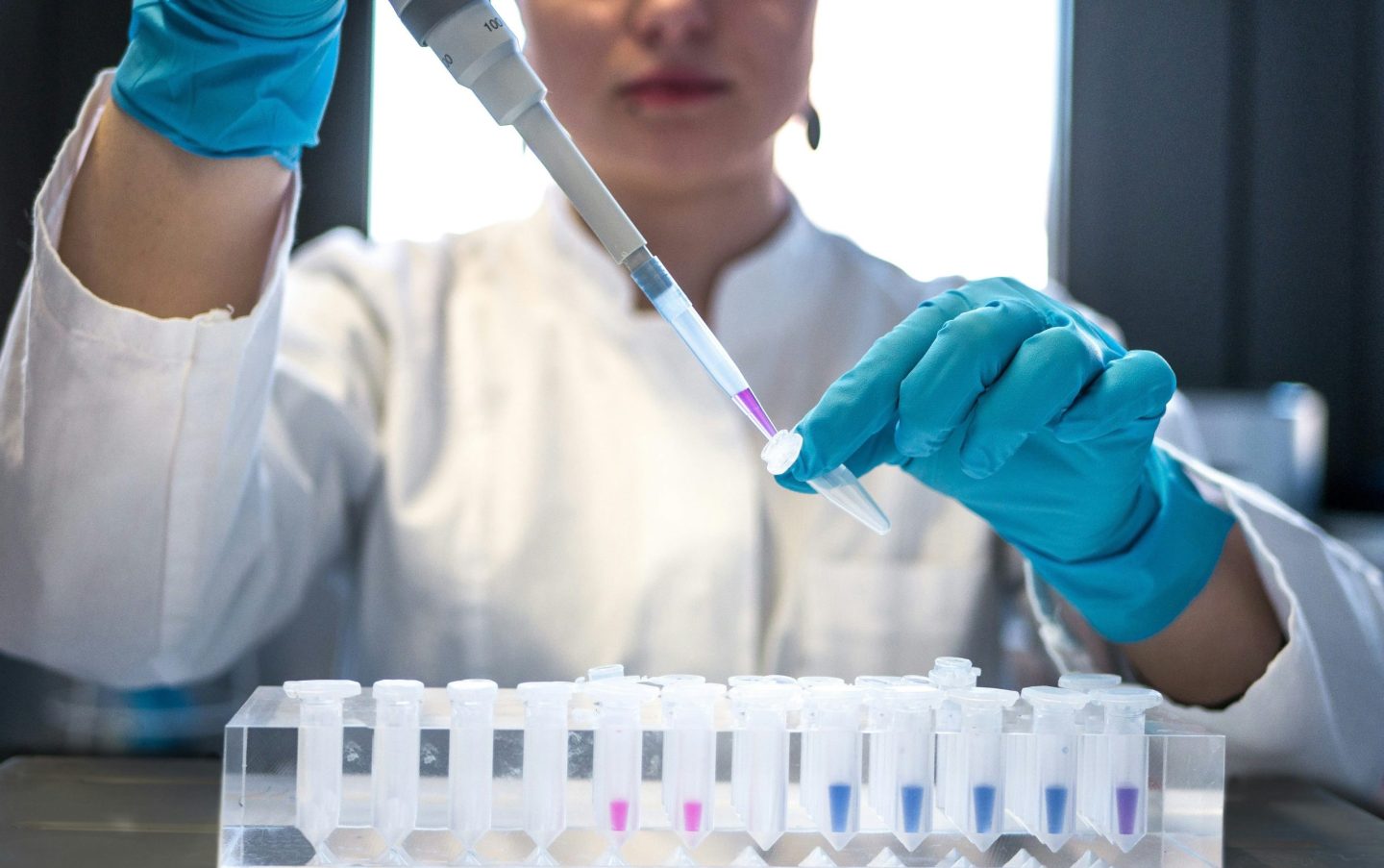
(Photo by Julia Koblitz)
As the landscape of the pharmaceutical industry transforms, Insilico Medicine stands at the forefront of innovation. Their journey showcases how technology can be harnessed to expedite breakthroughs that will benefit countless lives. Are you excited about the future of medicine? Join the conversation and embrace the advancements that lie ahead!