Revolutionary AR Technology Transforms Any Surface into an Interactive Touchscreen Without Special Equipment
No Floating Keyboards, No Sore Arms: Just Tap and Go!
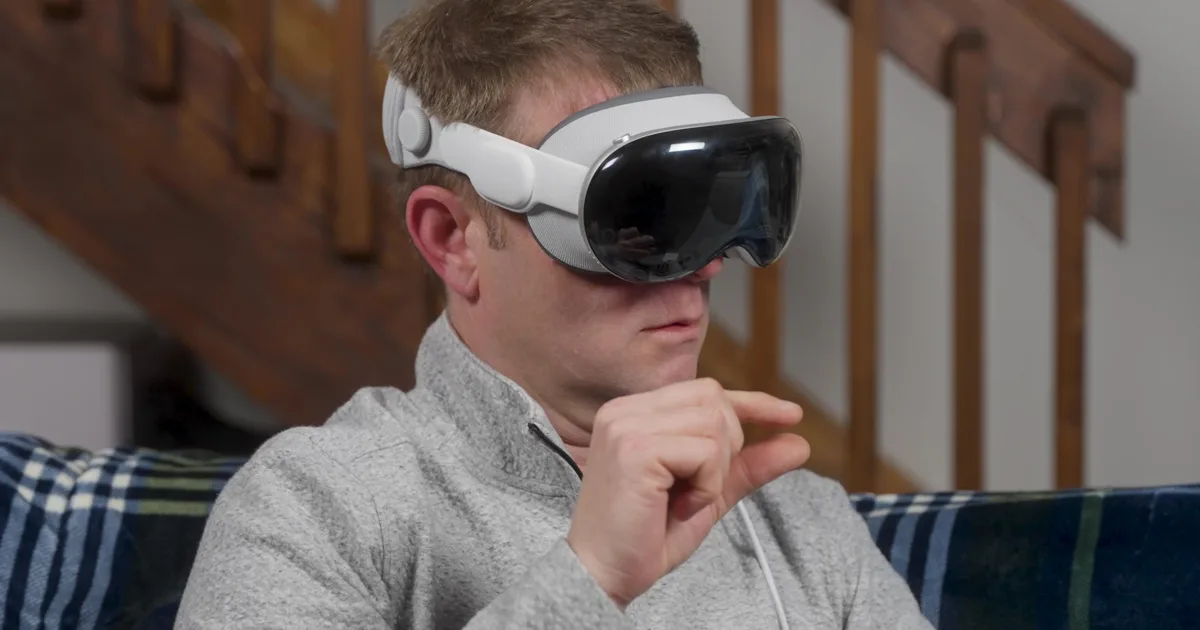
Imagine a world where typing on a virtual keyboard doesn’t leave your arms aching. This is the reality that many AR (augmented reality) and MR (mixed reality) headset users currently face. Juggling handheld controllers or keeping your arms elevated for too long can quickly turn a fascinating experience into a tiring one. Thankfully, researchers at Tohoku University believe they’ve uncovered a smarter solution that might redefine your interactions with technology.
How It Works
The innovation revolves around a phenomenon known as the blanching effect, which happens when you press your fingertip against a hard surface. For a brief moment, the skin beneath your fingertip turns white—a subtle but significant shift. Tohoku University’s team has harnessed this very effect using the cameras from AR and MR headsets.
Tohoku University
By training an AI model to detect this real-time color change, the system can recognize a touch input anytime the blanching effect occurs. This touch maps seamlessly to your AR environment, allowing you to tap away without the need for external sensors or complicated setups.
Guanghan Zhao, the study’s lead researcher, exclaimed, “This research means that ordinary surfaces all around us—walls, desks, or partitions—can serve as touch input areas. Plus, this method is user-friendly and doesn’t require any extra devices.”
The Performance
So, does this novel approach actually work? User studies conducted during the research revealed promising results. The system consistently detected touch inputs across various common surface materials, allowing participants to complete tasks with impressive accuracy.
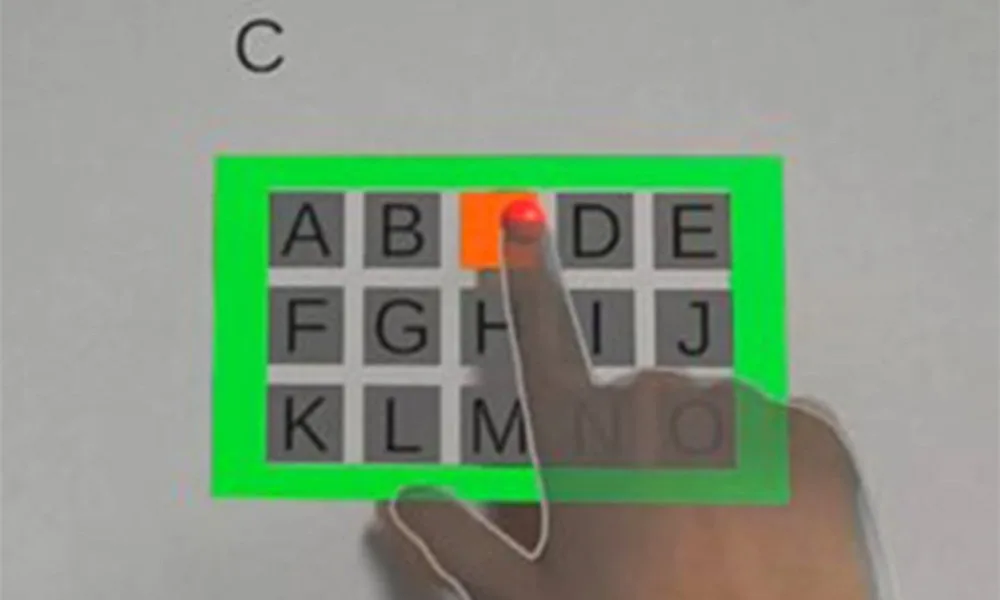
Tohoku University
Guanghan reiterated the goal: developing a technology that enables touch input on everyday physical surfaces for AR and MR applications without demanding special hardware. It’s significantly more convenient to rest your hands on a surface than to hold them aloft, a game-changer for users tired of fatigue during extended use.
Last week, these findings were showcased at the 33rd IEEE Conference on Virtual Reality and 3D User Interfaces in South Korea and have been greenlit for publication in the IEEE Computer Society Digital Library.
Considering this fascinating advancement, think about how your interaction with technology might be transformed. Imagine being able to type and navigate your AR environments effortlessly, all using the very surfaces you interact with every day. As technology continues to evolve, innovations like this will surely enhance our lives in delightful and unexpected ways.
Embrace the future—discover how new technology can simplify your daily tasks!