OpenAI Set to Unveil First AI Agent Smartphone by 2027: What to Expect
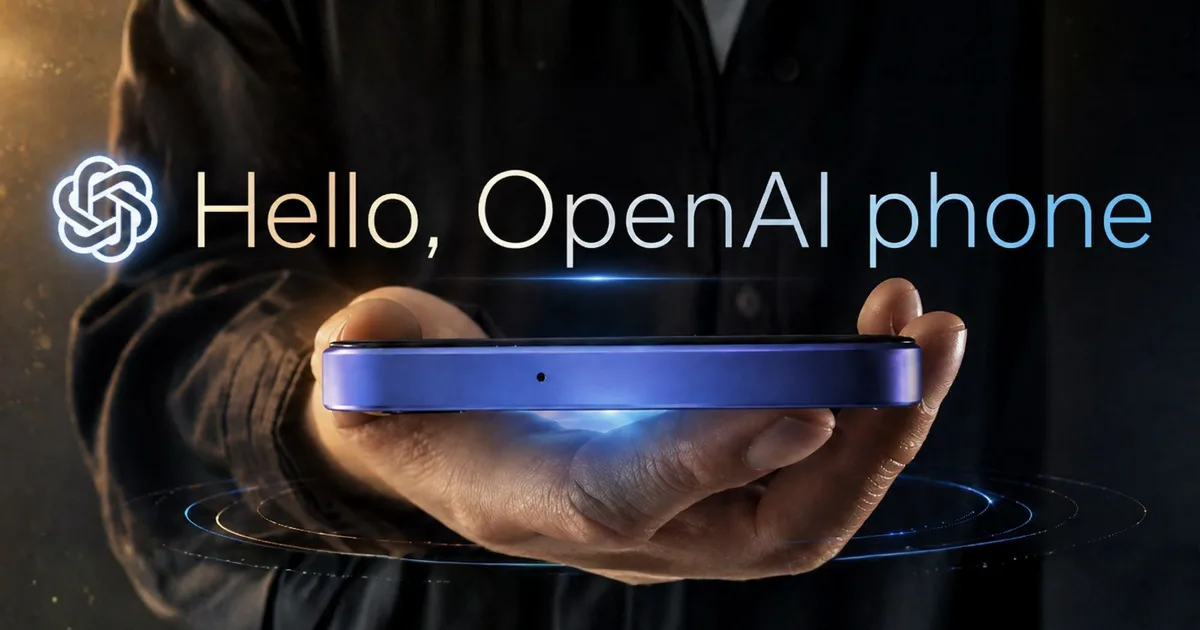
OpenAI could be gearing up to make waves in the tech world with its first AI-centric smartphone, transforming how we interact with our devices. According to insights from TF Securities analyst Ming Chi Kuo, this innovative gadget is currently in development, with mass production anticipated in the first half of 2027. Although OpenAI has yet to officially announce these plans, the excitement surrounding AI-driven mobile technology is palpable.
A New Era in AI Hardware
This emerging smartphone is expected to shift away from the usual focus on standard mobile features. Instead, it will prioritize on-device AI capabilities, tapping into a growing trend toward intelligent devices that enhance user interactions, streamline processes, and execute tasks with greater autonomy.
Laying the Groundwork for a Revolutionary Device
What sets this phone apart is its potential collaboration with MediaTek, which is poised to supply customized processors for the device. These processors will likely leverage a tailored version of MediaTek’s Dimensity chipset, manufactured through TSMC’s cutting-edge processes. Such advancements indicate a strong commitment to maximizing performance and efficiency.
Specifications Tailored for AI Performance
Unlike typical smartphones, this device promises hardware specifically crafted for AI workloads. Rumors suggest a dual NPU (Neural Processing Unit) architecture, which will significantly enhance the speed of real-time tasks, such as language interpretation, visual recognition, and contextual analysis.
Expected Features
- LPDDR6 RAM to facilitate smoother multitasking
- UFS 5.0 storage to minimize delays in AI processing
- An advanced image signal processor (ISP) for exceptional visual data interpretation
- Security features, including pKVM (protected Kernel-based Virtual Machine) for enhanced data integrity
The Motivation Behind OpenAI’s Smartphone Venture
Industry experts point to OpenAI’s desire to keep full command over both software and hardware as a driving force behind this move. While traditional smartphones often depend on a myriad of apps, AI-first devices aim for a more fluid experience where user interactions focus directly on tasks and results.
OpenAI | Credit: Unsplash
Reports suggest that the company is also working closely with Qualcomm on bespoke processors, with Luxshare as a key manufacturing ally. This strategy could integrate real-time AI processing on the device with more complex cloud computations, putting OpenAI in a prime position to create a comprehensive ecosystem that harmonizes hardware and subscription services.
Furthermore, entering the hardware realm aligns with OpenAI’s broader strategy, especially if it is considering future milestones like an IPO.
Implications for Users and the Market
If launched, this AI-specific smartphone could revolutionize the way we perceive mobile technology. Users might experience:
- More proactive assistance in daily tasks
- Enhanced real-time processing capabilities
- Greater assurance of privacy
The industry’s landscape would also shift significantly, intensifying competition as more players strive to benchmark what an AI-native device should embody.
Looking Ahead
If everything unfolds as planned, production could kick off in late 2026, with expectations of around 30 million units shipped by 2027 and 2028. However, successful execution will hinge on effective partnerships and market readiness.
As AI technology advances, OpenAI’s foray into hardware signifies that the evolving competition isn’t solely about improving algorithms. It’s increasingly about the innovation and efficiency of the devices that will showcase these algorithms.
Ready to step into the future of mobile technology? Keep an eye on developments from OpenAI that promise to redefine our relationship with smartphones. Whether you’re a tech enthusiast or just committed to staying informed, this journey will be nothing short of exciting. Stay curious!