Meta’s Innovative Smart Glasses: AI-Powered Always-On Vision and Hearing Technology
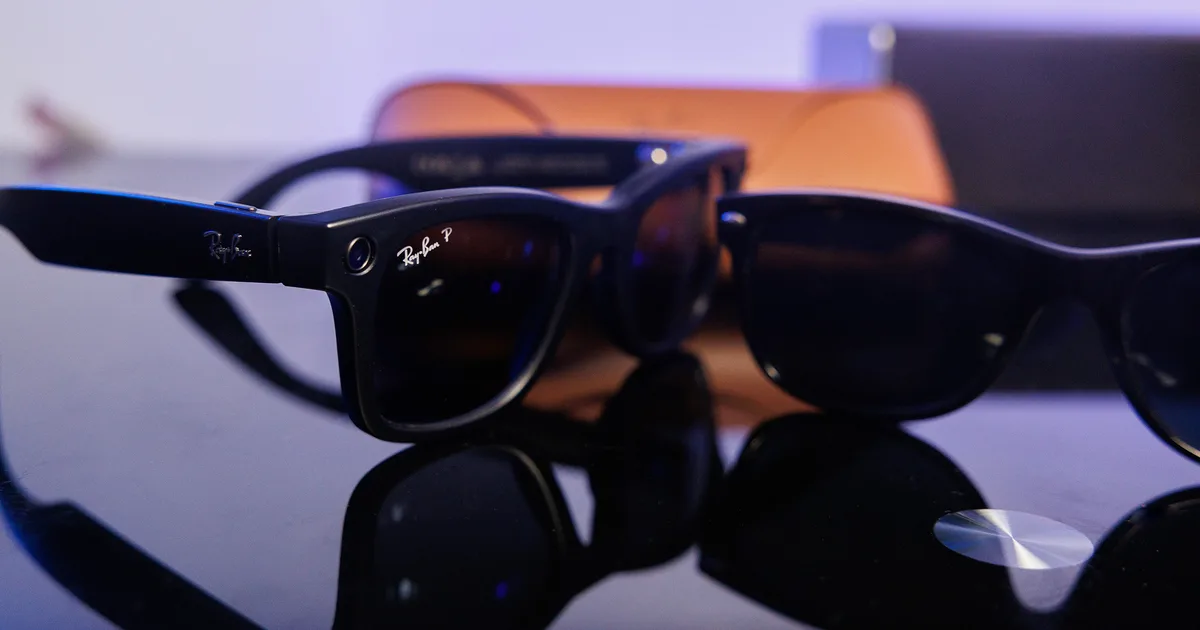
Meta is venturing into some territory that could raise eyebrows, particularly for those concerned about privacy. With its latest initiative focusing on "super sensing" AI glasses, the tech giant aims to create a wearable that captures the world around you. According to a report by the Financial Times, these innovative glasses won’t just provide a stylish accessory; they are designed to record audio and visuals, turning everyday moments into data for a more personalized experience. This concept of an ever-watchful companion certainly feels like it treads dangerously close to a privacy invasion.
What These AI Glasses Entail
Meta’s ambition includes these AI glasses functioning as a personal assistant that’s truly in tune with your life. Mark Zuckerberg has mentioned the vision of an assistant that’s not merely a reactive device—one that listens and responds—but rather an active participant in your daily routine, ready to help with anything you might need.
Is This a Step Too Far?
Currently, if someone starts recording using the cameras embedded in Meta’s glasses, a white ring light activates to alert others in the vicinity. While this is a step toward transparency, reports suggest that this measure isn’t foolproof. In fact, soon after launching, it became evident that it’s possible to tamper with the LED light, potentially allowing for videos to be captured without anyone being aware.
In response to privacy concerns, Meta announced that a software update will disable the camera if the LED indicator is tampered with. However, this raises an important question: if these super-sensing glasses are always on, will there be a continuous indicator visible to everyone?
Potential for Privacy Infringement
Interestingly, some sources revealed that Meta is contemplating not activating the LED light when the super-sensing features are in use. This move could enhance the risk of violating individuals’ privacy, making it difficult for them to know when they’re being recorded. While the company insists these plans could change, the implications are clear and cause for concern among many.
The Blueprint for the Future
The technology behind these AI functions seems ready for launch and can potentially be enabled via a software update on existing models. Controversy aside, there are plans in place to manage how this data is used. According to proposals, the audio and video data collected will not be available for users to download, nor will it be shared directly with Meta.
Instead, all the metadata—including audio clips and images—will be utilized to inform Meta’s AI, allowing it to efficiently respond to user requests. However, this notion of harnessing personal data to train AI models raises significant privacy alarms.
In Summary
As Meta pushes forward with these AI glasses, the balance between innovation and privacy becomes increasingly fragile. While the potential for a personalized assistant is intriguing, it’s essential for consumers to remain vigilant about their privacy.
Are you prepared to embrace this new frontier in wearable technology, or do you feel the risks outweigh the benefits? Your thoughts matter, so feel free to share them. Join the conversation and let’s shape the future of technology together!