iOS 27: How Treating AI Models Like Default Apps Might Revolutionize Apple Intelligence Usage
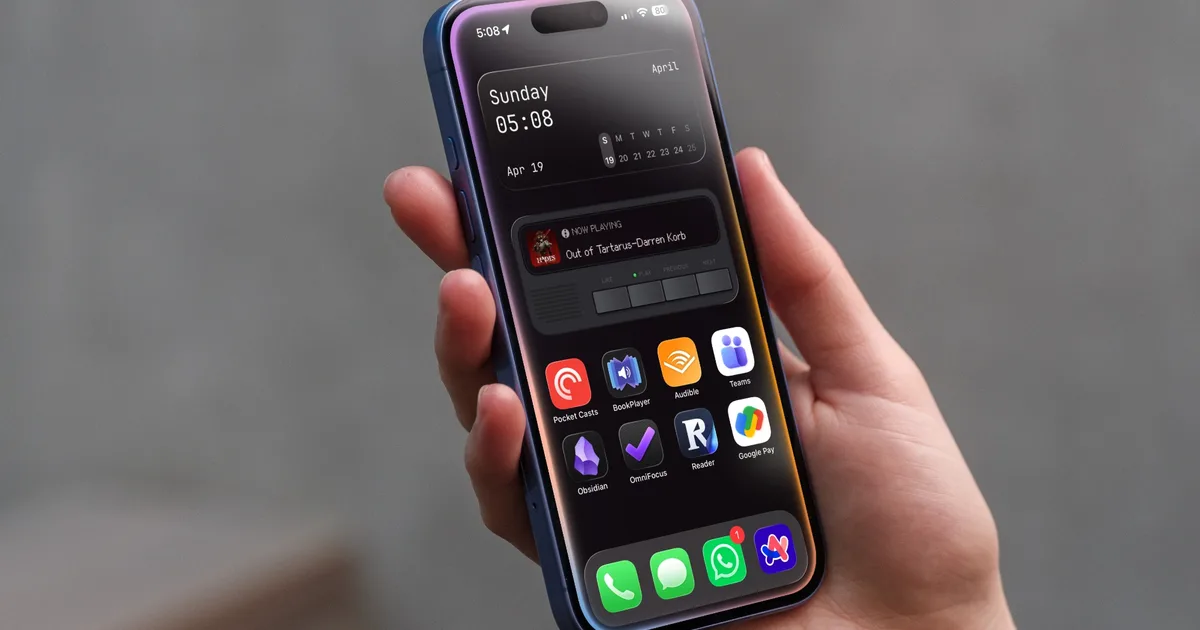
While Android users find themselves tethered to Gemini, and Windows users stuck with Copilot, Apple’s iOS 27 is set to unlock a new realm of customization that lets users take the reins. Imagine a digital environment tailored not just to your usage styles but to your personal preferences for AI—this is what Apple might soon deliver.
Each day, many of us integrate AI into our routines; I am no exception. Personally, I’ve turned to a paid Claude subscription for tasks like headline brainstorming and fine-tuning tones, while Gemini serves as my go-to for generating images and diving into deeper research. The beauty of choice is that you might prefer using Perplexity for information retrieval or ChatGPT for coding tasks. This variety enhances productivity, yet the underlying issue remains: your device doesn’t cater to these choices—until now.
The Shift in AI Control
When examining the tech landscape, the dissimilarities among operating systems become glaringly apparent. As reported by Bloomberg’s Mark Gurman, iOS 27 will introduce a feature dubbed "Extensions." This innovation will empower you to select your preferred AI model for various Apple Intelligence tools, liberating you from the restrictions imposed by other platforms.
When the update rolls out, you will have the capability to simply navigate to Settings and assign your favored AI—whether for Writing Tools, Image Playground, or other Apple features. Even Siri will adapt, allowing you to choose which AI backend manages your requests.
Once iOS 27 lands on my iPhone 17, I can confidently select Claude for my writing tasks and Gemini for visual creation, streamlining the entire process.
Seamless Integration: A True Game Changer
This isn’t merely about choice; it’s about a streamlined experience. With iOS 27, your selected AI will operate effortlessly within the framework, eliminating the cumbersome task of switching between apps or copy-pasting outputs. It’s about having a single, cohesive interface—an innovation that sets Apple apart from Android or Windows.
The Detours of Other Operating Systems
Consider an Android user juggling various AI-powered text tools on a Samsung Galaxy smartphone. Yes, Galaxy AI provides several capabilities—like Writing Assist and Note Assist—but they all funnel through Google’s Gemini.
Want to leverage Claude while composing a message in Samsung Messages? That means wrestling through multiple steps: exiting the app, opening Claude’s interface, copying text, and then returning. Not the most efficient process, right? Over on Windows, users encounter Copilot, which is baked directly into essential applications like Notepad and Paint, leaving no room for alternative options.
Motorola is pushing the envelope by allowing access to multiple AIs like Gemini and Copilot through its Moto AI. However, Apple’s approach stands out because it champions user choice over preset limitations.
Apple’s Vision: Democratizing AI Access
Apple’s strategy is about embracing user choice, akin to how it treats default browsers or email apps within iOS. This approach marks a significant step toward democratization—giving you the flexibility to utilize the AI services that genuinely meet your needs.
The potential for Extensions is vast. Any AI company can opt to support this feature through its app in the App Store, integrating seamlessly into Apple Intelligence. This creates an adaptable ecosystem where you direct your queries to whichever AI service you trust most for a specific task.
The Business Perspective
As Apple faces criticism for lagging in the AI arena, opening its platform to support a multitude of AI models could become its most powerful asset. With a user base of over 2.5 billion active devices, including iPhones, iPads, and MacBooks, Apple could pivot from competing in the AI race to leveraging its marketplace.
The standard 30% cut from App Store subscriptions could also apply to every Claude or Gemini subscription processed through iOS, transforming Apple from a follower to an essential player in the AI landscape.
The Future of AI on iOS
Although none of this has been officially confirmed, we are on the brink of WWDC 2026, where Apple could announce its new direction—transitioning from an AI-first stance to becoming an AI-agnostic platform.
Are you ready for this transformation? As we move towards a more customizable tech world, it’s essential to embrace these advancements. Think about the possibilities waiting for you. Whether you’re an image creator, a writer, or someone who simply loves integrating technology into daily life, your preferences could soon matter more than ever before.
So, let’s keep our eyes peeled for this evolution. Your perfect AI awaits!