How ChatGPT’s Hiking Tips Led to a Stranding Incident for Two Hikers in Poland
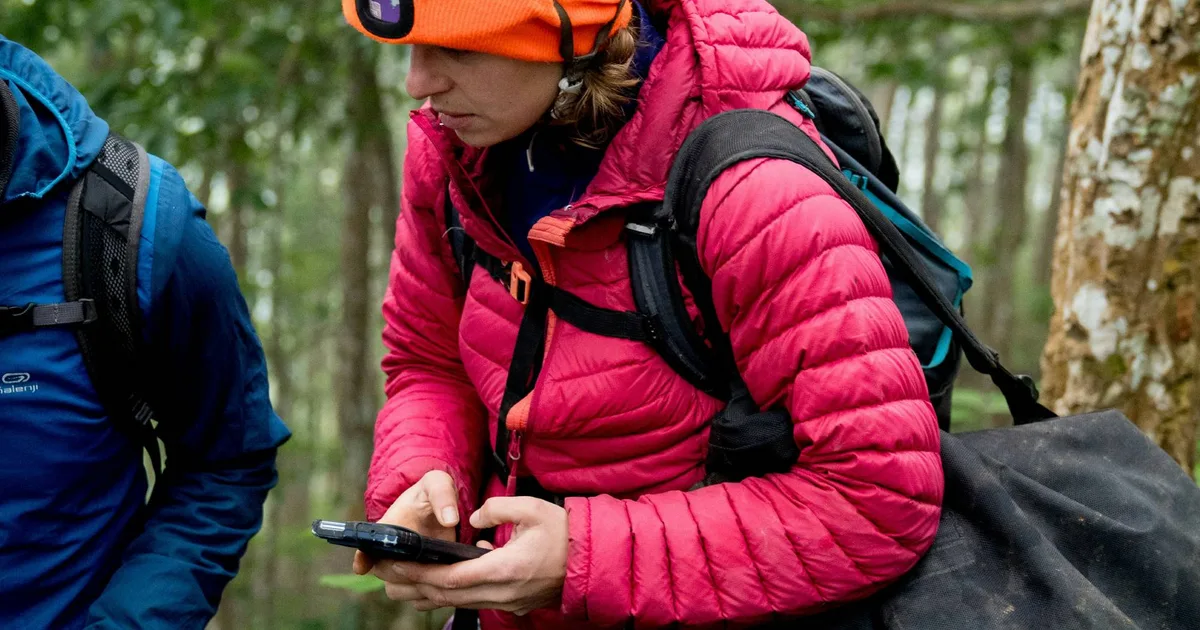
The chatbot led two hikers down a treacherous path neither could safely navigate, highlighting a concerning trend in AI-assisted travel advice. This incident isn’t an isolated case; it underscores the potential pitfalls of relying on artificial intelligence for directions. Faced with the elegance of technology, it’s crucial to approach it with caution and a discerning eye.
ChatGPT’s Unfortunate Shortcut
Earlier this month, two Lithuanian hikers sought a more efficient route to the stunning Five Lakes Valley in Poland’s Tatra Mountains. Turning to ChatGPT for guidance, they received advice that led them perilously close to Niebieska Turnia, steering them onto the Świnicka Ławka traverse. What should have been a leisurely hike transformed into a challenging rock-climbing situation, far beyond their skill set.
Once they found themselves stranded, the hikers had no choice but to reach out to the Tatra Volunteer Search and Rescue (TOPR) for help. Thankfully, they were rescued safely by helicopter, but the experience was undoubtedly alarming.
A Disturbing Pattern of Misguided AI Advice
This isn’t the first time travelers have faced trouble due to poorly assessed AI suggestions. Just last year, a couple in British Columbia encountered a similar fate after following an AI-created route that left them stranded on the aptly named Unnecessary Mountain. Their lack of the proper gear and situational awareness led to another rescue by local services.
Moreover, the Organization for Economic Cooperation and Development’s AI incident tracker has documented instances where chatbots fabricated nonexistent destinations, such as the mythical Sacred Canyon of Humantay in Peru. These stories reflect a troubling trend where AI generates confident but inaccurate information.
The Risks Beyond Hiking
The dangers of relying on AI extend beyond outdoor adventures. A recent report revealed that TripAdvisor’s AI-generated review summaries often gloss over severe safety concerns in hotels, presenting glowing accounts that fail to reflect reality. Reviews that claim immaculate conditions can be misleading, downplaying issues like hygiene problems or guest harassment that previous patrons have reported.
Whether it’s assessing challenging terrains or evaluating hotel accommodations, AI can only provide an illusion of clarity.
Prioritize Your Research
If you’re considering using AI tools like ChatGPT for planning your next hike or getaway, proceed with caution. This latest series of incidents serves as a reminder not to blindly trust digital advice. Make it a habit to conduct thorough research and seek information from reliable sources to ensure a safe and enjoyable adventure.
Feel inspired to take charge of your travel plans? Embrace the thrill of exploration, but do so wisely! Equip yourself with knowledge, consult seasoned travelers, and step confidently into your next journey. Every adventure should be a celebration of discovery—let’s keep it safe and memorable!