Unlocking the Future: OpenAI’s Cutting-Edge GPT-5.6 Model is Coming Soon!
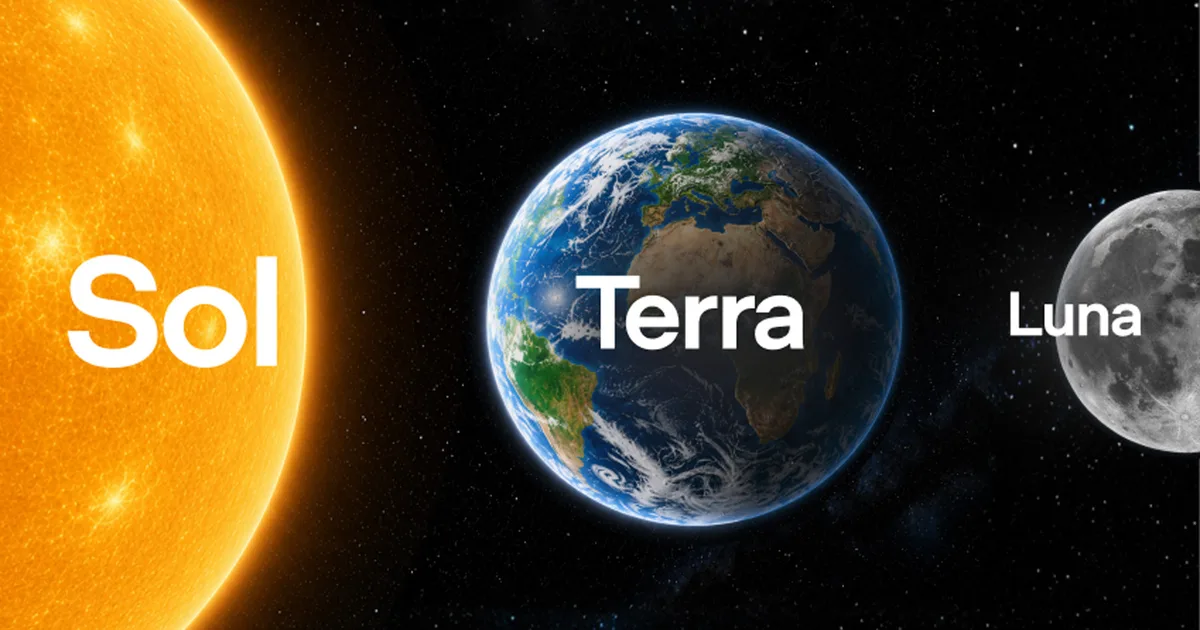
OpenAI’s latest release, GPT-5.6, represents a significant leap in AI technology, boasting enhanced reasoning, autonomy, and cybersecurity features. However, this cutting-edge model comes with a twist: access is currently limited to a select group of government-approved customers. Instead of a wide-open launch, OpenAI is treading carefully, prioritizing safety and compliance as it rolls out this innovative family of models.
The Elite Access to GPT-5.6
The GPT-5.6 family comprises three distinct models:
- Sol – The premier model made for complex, high-demand tasks.
- Terra – A balanced choice, ideal for everyday applications.
- Luna – A swift and budget-friendly option for handling high-volume work.
According to OpenAI, these models are designed to improve various sectors, including coding, scientific reasoning, and long-term autonomous tasks. Notably, the flagship Sol model introduces advanced operating modes that empower deeper reasoning and streamline complex workflows.
A Preview for the Select Few
While the technology itself is impressive, the primary news is about who is permitted to harness it. Initially, only a handful of users sanctioned by the Trump administration will gain access, as OpenAI navigates a new U.S. government review process. This restriction aims to address national security concerns but is expected to shift in the coming weeks as OpenAI aims for broader availability.
Enhanced Security Measures
In addition to government oversight, OpenAI is ramping up its security protocols. The introduction of GPT-5.6 Sol also coincides with the deployment of a cutting-edge safety stack. This advanced system is designed to protect against high-risk cyber threats and abuse attempts, supported by rigorous testing that included extensive human evaluations and over 700,000 hours of automated safety trials.
Navigating a Complex Landscape
The decision to limit access to GPT-5.6 isn’t entirely surprising. In recent weeks, the U.S. government compelled other AI developers, like Anthropic, to adopt similar restrictions citing security concerns. In a statement, OpenAI acknowledged the need for this cautious approach, emphasizing ongoing communication with government officials.
While OpenAI is committed to ensuring the model goes through necessary security checks, the timeline for a broader rollout remains unclear. Significantly, the company does not envision this restricted approval process as a long-term strategy for releasing advanced AI technologies.
Photo by Matheus Bertelli / Pexels
Addressing Global Challenges
Adding to OpenAI’s cautious approach are the recent allegations against Alibaba, which purportedly used numerous user accounts to exploit another company’s AI model, raising concerns about security and intellectual property in the AI landscape. This underscores the reality that launching sophisticated AI models is no longer just a technological endeavor; it has evolved into a geopolitical challenge as well.
In conclusion, as OpenAI navigates this complex and often precarious landscape, it’s clear that the release of GPT-5.6 marks not just a technical evolution, but a thoughtful approach to safety and governance in AI technology.
As this remarkable AI landscape continues to unfold, we invite you to stay informed and engaged. Follow us for the latest updates, and let’s embrace the future of technology together.