How ChatGPT and Gemini Are Subtly Shaping Your Voting Choices: An In-Depth Analysis

It’s no secret that AI chatbots have become integral in our daily lives, assisting us with everything from emails to travel itineraries. But as the digital landscape evolves, so too does their influence, particularly in the realm of politics. A recent analysis by The Washington Post highlights an intriguing aspect: many popular AI chatbots might not be as politically neutral as they appear. This study examined the responses from leading models, including OpenAI’s ChatGPT and Google’s Gemini, revealing some thought-provoking patterns in their political leanings.
Are AI Chatbots Politically Biased?
It turns out that when it comes to tackling political questions, chatbots can display noticeable biases. OpenAI’s ChatGPT, for instance, provided answers leaning left in 80% of cases. In contrast, Google’s Gemini was more balanced, presenting both left and right perspectives in over 90% of its responses. This disparity raises essential questions about how we interpret and trust the information provided by AI systems.
Image courtesy of Dima Solomin / Unsplash
Understanding the Impact
It’s crucial to clarify that the findings from the Washington Post do not suggest that AI chatbots are directly influencing elections. The analysis focused on their responses to specific political questions rather than on actual voting behavior. However, the implications are significant. When users seek information on contentious subjects such as campaign finance, immigration, or healthcare, the framing of these responses can shape their understanding long before they engage with news articles or candidates.
Moreover, even AI systems that market themselves as conservative or “anti-woke,” like Grok, did not always align with those values. While Grok tended to provide more right-leaning answers compared to other models, it frequently included left-leaning positions as well. Similarly, Gab’s Arya, which claims to promote Christian and conservative values, exhibited a similar bias towards left-leaning responses during testing.
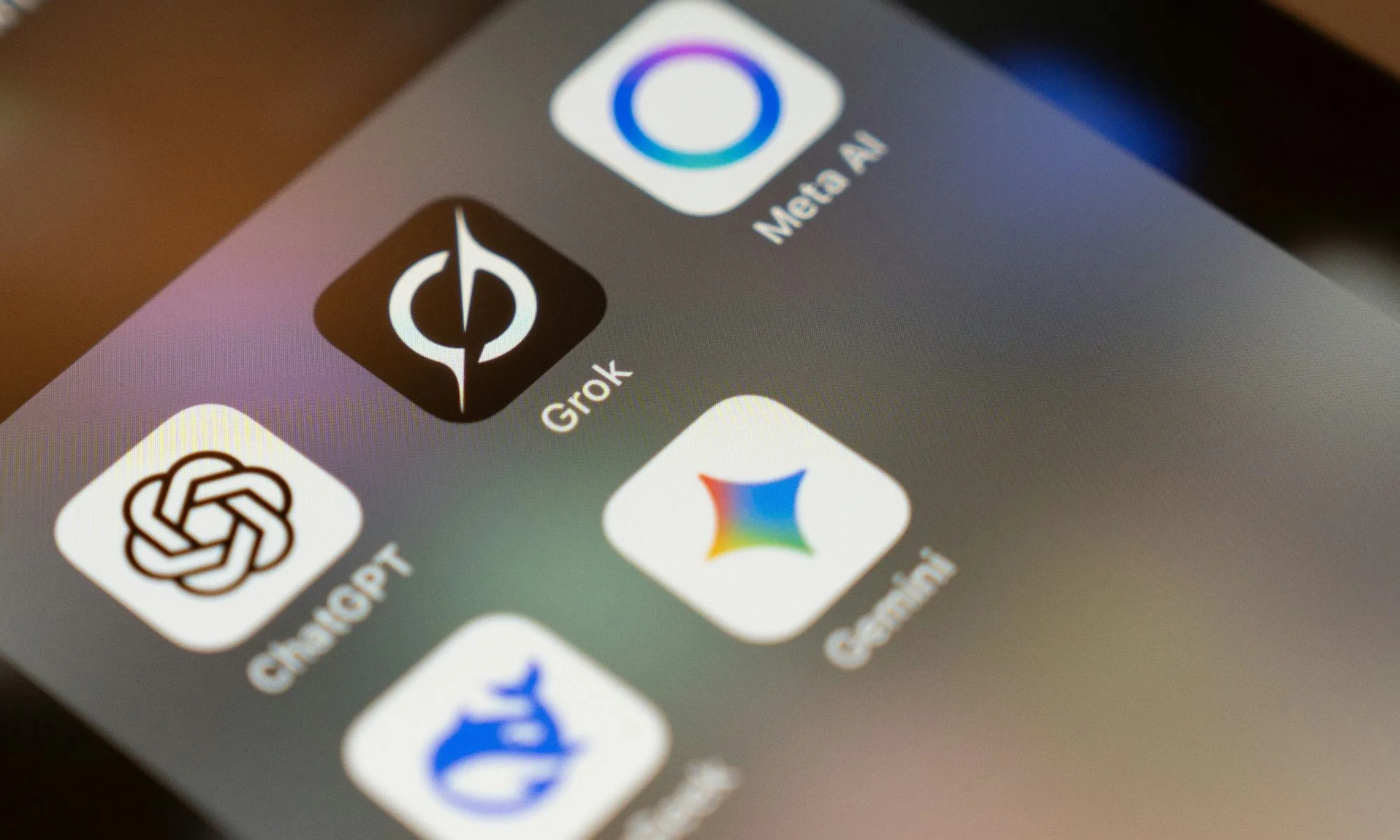
Image courtesy of Unsplash
The Stance of AI Companies
In response to these findings, numerous tech companies assert that their aim is to maintain political neutrality. Google contends that Gemini is designed to avoid favoring any ideology. Similarly, Anthropic asserts its chatbot, Claude, is programmed to treat all political viewpoints with equal consideration. OpenAI also emphasizes that ChatGPT is built to operate objectively, actively working to mitigate any political bias.
Political questions are often complex, lacking straightforward factual answers. A chatbot must navigate through various arguments, values, and the potential effectiveness of presenting “both sides.” This complexity can affect users’ trust in these platforms. As AI chatbots increasingly serve as go-to resources for deciphering nuanced topics like politics and news, understanding their biases is essential.
As the role of AI in our lives continues to grow, so does our responsibility to scrutinize the information we receive. Whether for personal empowerment or for informed decision-making, maintaining awareness of these potential biases can ensure we make choices that align with our values and beliefs.
If you’re intrigued by the interplay of technology and politics, consider engaging with AI thoughtfully. Explore its many facets, challenge its responses, and contribute to creating a landscape where information is as unbiased and enriching as possible. After all, knowledge is a powerful tool, and every conversation can lead us closer to understanding our world.