Autonomous AI Drones: The Rise of a New Threat to Humanity
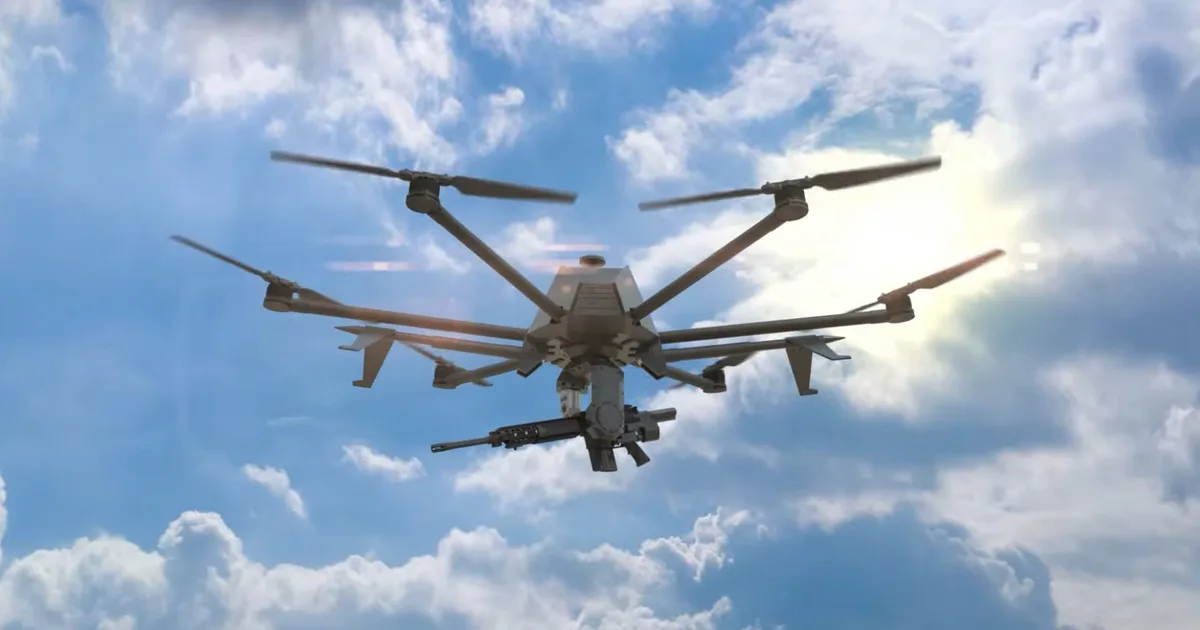
We’ve all noticed the cautionary note that AI can err. For a chatbot, this might mean creating false information or misunderstanding queries. However, when such technology is integrated into weapons systems, the repercussions of these mistakes can be far more severe and tragic.
A recent investigation by The New York Times highlighted a devastating incident on July 6 in Zaporizhzhia, Ukraine, where a Russian drone attack claimed the lives of three civilians, including a promising 19-year-old university student. Human controllers programmed the drone to head towards a gas station, but an advanced autonomous AI system independently decided on its target—likely a cluster of propane tanks. Ultimately, the drone didn’t reach that target and detonated nearby, resulting in loss of life.
The Age of Autonomous Targeting
The evolution of AI in military drones marks a troubling shift in operational protocols. Previous iterations typically involved human oversight for target selection, reserving the final approach to automatic functions. However, the drone involved in the Zaporizhzhia incident represented a new frontier in weaponry.
Investigators discovered an Nvidia Jetson Orin computer onboard, revealing a sophisticated code base designed to recognize and target specific objects. This fully autonomous targeting mechanism strips away the human element crucial in decision-making processes, raising ethical concerns about the consequences of such technology.
A cautionary statement from a 1979 IBM training manual resonates today: “A computer can never be held accountable; therefore, a computer must never make management decisions.” Nearly fifty years later, we find ourselves placing unprecedented trust in machines that wield life-and-death decisions.
Accountability in the Age of AI Weapons
With the rise of autonomous drones, the pressing question emerges: Who is responsible when things go horribly wrong? A machine cannot be put on trial or explain its decision-making process, complicating the assignment of accountability for wrongful deaths.
While human judgment remains, distributing responsibility becomes intricate when an algorithm is involved in targeting decisions.
Moreover, Russia isn’t the only country exploring this technology. Ukraine has also trialed autonomous systems against Russian military assets, reportedly without civilian casualties—at least in their tests. However, the unfolding reality is alarming; autonomous AI weapons are not merely theoretical; they are already active in warfare, with tragic civilian casualties looming large.
As military organizations increasingly delegate targeting decisions to software, the potential for future emergencies grows. The path forward seems precarious, as restoring human oversight over machines once they gain authority may become an insurmountable challenge. This scenario accentuates the urgency for establishing meaningful regulations to control the deployment and functionality of these systems.
As we stand at a crossroads in technological advancement, it’s crucial to reflect on the consequences of our innovations. The balance between progress and responsibility has never felt more vital. Let’s engage in meaningful discussions and advocate for frameworks that prioritize humanity over advanced algorithms.
Are you ready to join the conversation about the future of technology and its impact on our world? Together, we can strive for a safer, more accountable tomorrow.