Why the Next iPhone Revolution Could Be Driven by an AI Firm, Not Apple or Samsung
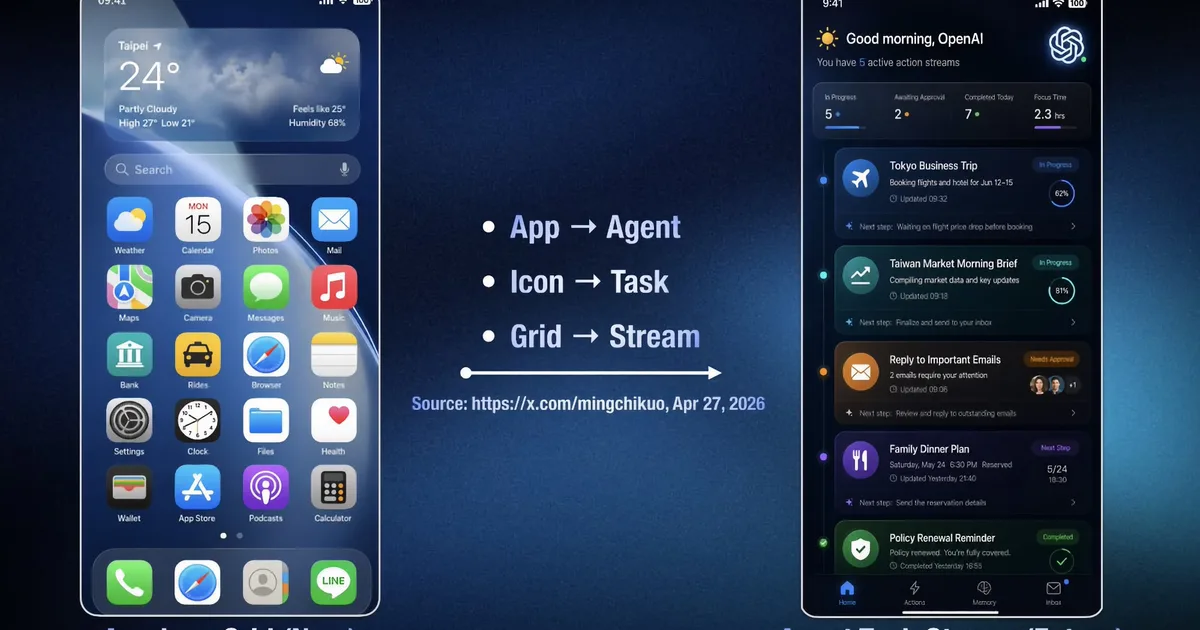
OpenAI is setting a bold new course in the world of technology, aiming to redefine our interaction with smartphones. Imagine a device that doesn’t just keep you connected but truly understands you. With its ambitious plans to develop its own smartphone, OpenAI is poised to elevate the user experience by integrating an advanced AI assistant into the very fabric of mobile technology. This promises not just convenience, but a transformation in how we navigate our daily lives.
The Ambitious Vision Behind OpenAI’s Smartphone
In a landscape filled with apps vying for attention, OpenAI believes a single, intelligent agent can streamline everything we do on our devices. As articulated by CEO Sam Altman, this is the perfect moment to “seriously rethink how operating systems and user interfaces are designed.” This is much more than a mere suggestion; it’s a clarion call to innovate and improve.
Why Is OpenAI Venturing into Smartphone Development?
OpenAI’s foray into smartphone technology can be attributed to several insightful reasons:
- Full Control: Creating an integrated experience requires complete oversight of both software and hardware. Operating on platforms like Android or iOS would restrict OpenAI to existing limitations and constraints.
- Personal Data Goldmine: Your smartphone knows you better than most people. It tracks vital data—your location, habits, and daily context—which can be leveraged to anticipate your needs seamlessly.
- Market Dominance: Smartphones are a ubiquitous device category. For OpenAI to scale effectively, establishing a presence in this space is crucial.
How Will the AI Function on This New Device?
Ming-Chi Kuo, a well-respected analyst, has shed light on the expected functionality of OpenAI’s smartphone. It will operate on a two-layer system:
- On-device Processing: For lighter tasks, like contextual understanding and memory management, the phone will function independently.
- Cloud Integration: Heavier AI tasks will be processed in the cloud, similar to Apple’s Private Cloud Compute, but with OpenAI’s superior AI capabilities.
This synergy between on-device and cloud functionalities promises an experience that is both efficient and responsive.
Image sourced from Apple
From a business perspective, OpenAI may consider bundling hardware with subscription services akin to Apple’s approach, fostering a vibrant developer ecosystem around its intelligent agents.
Partnerships Fueling OpenAI’s Ambitions
OpenAI isn’t embarking on this journey alone. Partnerships with MediaTek and Qualcomm will see them co-developing a custom processor, while Luxshare is onboard as the exclusive system design and manufacturing partner. Luxshare’s involvement is particularly noteworthy, as it aims to break into a market traditionally dominated by Foxconn. This collaboration could be a game-changer as it seeks to establish itself in what may be the next smartphone revolution.
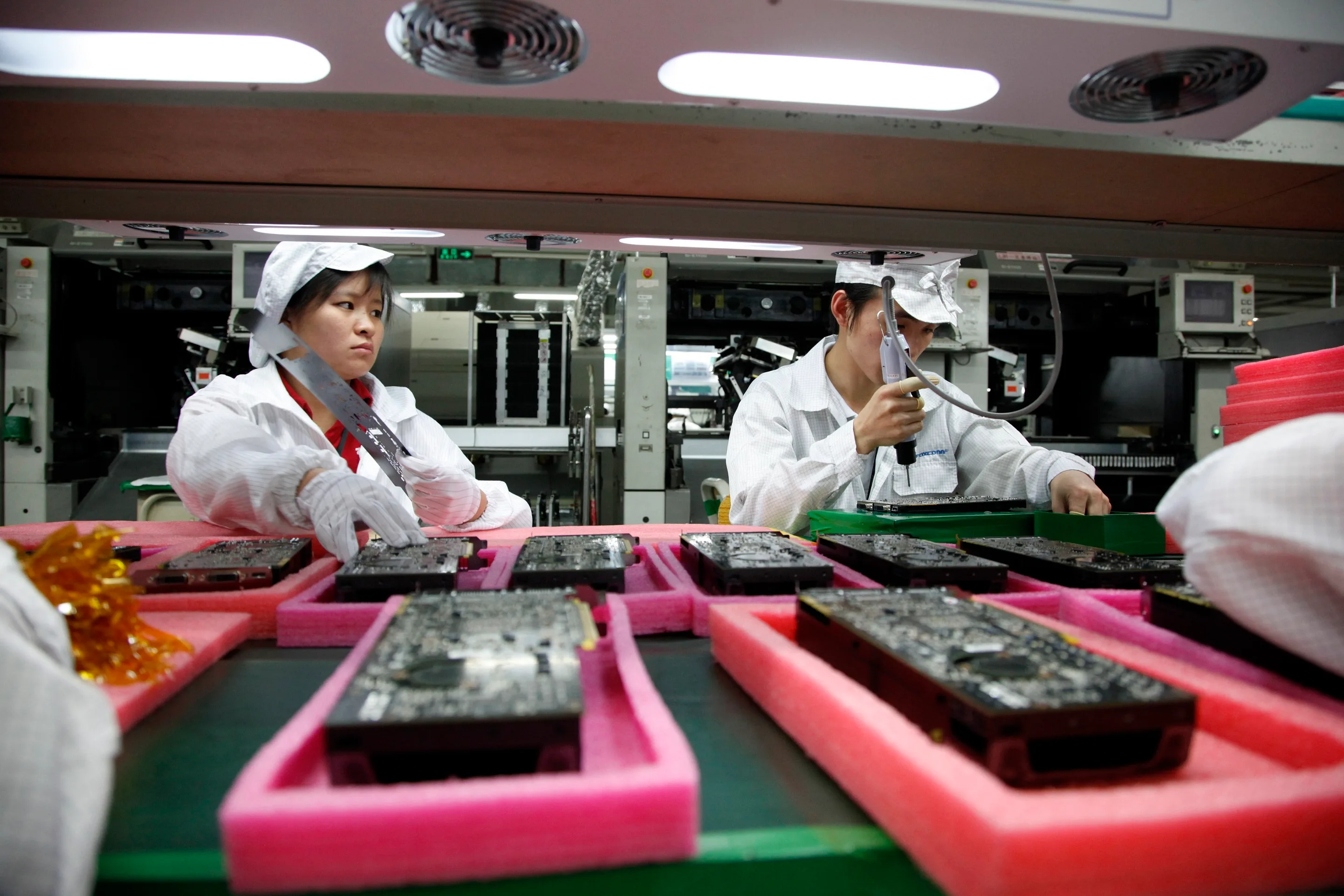
Image from In Pictures Ltd. / Getty Images
As we look ahead to 2028, the dream of a groundbreaking smartphone that redefines user interaction feels tantalizingly close. If successful, OpenAI’s device might change the way we think about our phones entirely.
This is an exciting time in the tech landscape. The future awaits, and it promises to be filled with innovation and enhanced user experiences. Are you ready to embrace the change that is on the horizon? Engage with the shift toward smarter technology, and stay tuned for what promises to be a revolutionary leap forward!