Why Memory Tools Could Deteriorate the Performance of AI Models
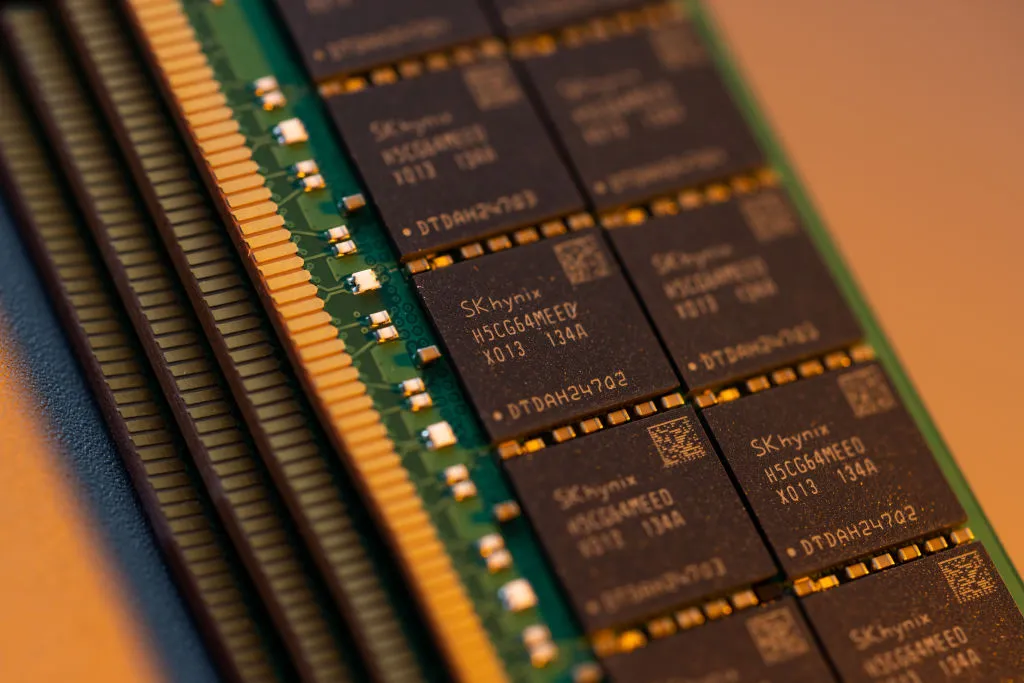
Memory tools are usually seen as key enhancements in artificial intelligence, promising to improve performance and make systems more efficient. However, as with many powerful tools, their misuse or over-reliance can lead to unexpected consequences, particularly in AI model performance. Let’s dive into how memory tools can sometimes detract from the capabilities of these models, and explore the nuances involved.
Understanding Memory Tools in AI
Memory tools are designed to help AI systems store and retrieve past information to make more informed decisions. At first glance, this sounds beneficial. After all, greater access to historical data should lead to improved accuracy and relevance, right? Unfortunately, it’s not that straightforward.
The Double-Edged Sword of Memory
While memory tools offer increased information retention, they also introduce risks that can undermine the effectiveness of AI models. Here are some critical points to consider:
-
Overfitting: When AI models rely too heavily on their memory, they may overly adapt to past data. This can lead to a situation where the model performs excellently on familiar cases but struggles with new, unseen scenarios.
-
Bias Amplification: Memory tools can inadvertently reinforce existing biases present in historical data. If the AI continuously references biased information, its outputs may reflect or even exacerbate those biases, affecting fairness and accuracy.
- Cognitive Load: With extensive memory capabilities, models might become overloaded with information. This can lead to confusion in decision-making processes, ultimately affecting performance.
The Importance of Balance
Striking a balance between leveraging memory tools and maintaining flexibility is crucial. Here are several strategies that can help:
-
Selective Memory Use: Implement strategies to filter which information is valuable. Focus on data that enhances the model’s decision-making capabilities without drowning it in less relevant information.
-
Regular Updates: Continuously update AI models with fresh data to help them stay adaptable. This not only improves accuracy but also mitigates the risk of retaining outdated or biased information.
- Monitoring Outputs: Keep a close eye on the AI’s outputs. Regular checks can help identify any signs of over-reliance on memory or emerging biases, allowing for timely interventions.
Future Considerations
As technology evolves, so will the tools we use in AI. Understanding the potential pitfalls of memory tools is essential for those engaged in AI development and deployment. As we move forward, a thoughtful approach to memory utilization will be vital to cultivating effective, ethical AI systems.
Embrace the Future with Caution
In the intricate dance of AI and memory, being mindful of both the benefits and risks is fundamental. By approaching memory tool usage with a balanced perspective, we can harness their capabilities without compromising the integrity of our AI models.
Ready to explore these concepts further? Let’s engage in a conversation about how we can navigate the future of AI together, ensuring that we remain at the forefront of innovation while prioritizing ethics and effectiveness. Your insights and experiences are invaluable as we shape a thoughtful approach to AI technology!