Why Living with AI Like ChatGPT Isn’t Necessary for My Daily Life
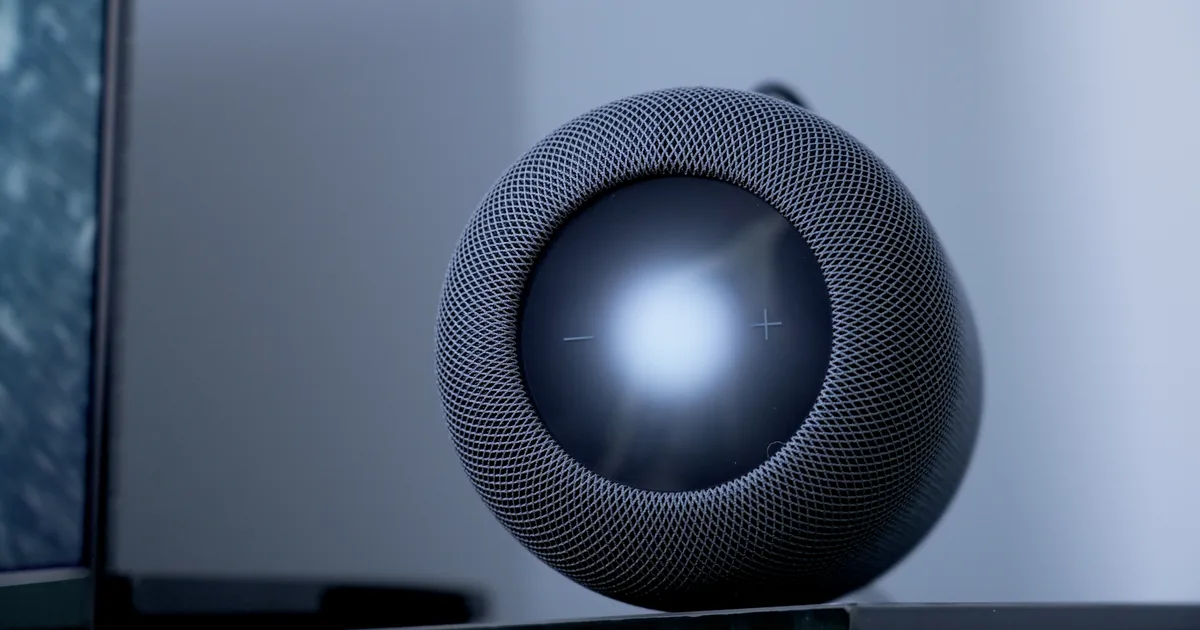
AI is seamlessly woven into our daily lives, enhancing our experiences with technology at every turn. As we become more accustomed to these advancements, whispers of a new device from OpenAI, developed with the creative genius Jony Ive, have sparked intrigue. This innovative gadget, resembling a doughnut, promises to elevate our home interaction with its blend of sensory technology and contextual awareness.
However, the introduction of a ChatGPT-powered speaker raises important questions about privacy and intimacy in our personal spaces. Let’s delve deeper into what’s on the horizon and what it could mean for your home.
A Shift in the AI Relationship
Currently, AI serves as a helpful assistant, performing tasks that lighten our everyday load. But the emergence of a dedicated home companion changes that dynamic significantly. This upcoming OpenAI hardware aims to perceive its environment, creating richer, more engaging interactions. With built-in cameras, microphones, and sensors, it seems ready to understand our needs better than ever.
Yet, this capability feels like a double-edged sword. While it offers great potential for personalized assistance, it also raises significant concerns about surveillance and privacy.
The Widespread Anxiety About Surveillance
Our unease about ubiquitous microphones isn’t a new phenomenon. The discussions about privacy have been reignited as smart speakers, like Siri and Alexa, continue to capture our voices, often without our explicit consent. In fact, companies acknowledge that real people sometimes listen to voice recordings, adding another layer of discomfort.
Recent developments highlight this issue even further. Meta, for instance, is working on an AI pendant that revolves around continuous listening. It’s evident that advancements in AI hardware are heavily focused on sound input, raising alarms about privacy for those within earshot.
The backlash has been so pronounced that specific startups have created devices designed to thwart unauthorized audio recording, while apps are now available to detect smart glasses, signaling a growing demand for personal privacy in public spaces.
Privacy Matters: Personal Spaces and AI
Consider the environments in which these AI devices are placed. A kitchen, where culinary magic happens, may be one thing, but the bedroom? That’s a completely different scenario. It’s a space meant for comfort and privacy—conversations are had here that require no audience.
An AI companion with observational capabilities needs compelling justification to inhabit such intimate spaces. Implementing physical controls, such as a microphone kill switch or a camera shutter, can significantly enhance peace of mind. Clarity is key: consumers deserve to know what data is collected, stored, and how they can easily manage or delete it.
The Future Is Uncertain
While the vision behind this cutting-edge technology is intriguing, the emotional baggage it carries cannot be overlooked. Despite my reservations, I recognize that OpenAI and Jony Ive may be aiming for a simpler, more unobtrusive interaction design. After all, we crave convenience without sacrificing our boundaries.
For now, my trust in technology remains set with my smartphone as the primary access point for ChatGPT. Until transparency and security are guaranteed, a dedicated AI device won’t find a place on my bedside table.
As we navigate this evolving landscape, we must remain mindful of how these innovations interact with our homes and lives. Let’s foster a dialogue about the balance of comfort and connectivity, ensuring that our pursuit of convenience doesn’t come at the cost of our privacy.
Are you ready to embrace the future of AI, or are you wary of its push into your personal space? Your choices shape the technology landscape of tomorrow.