Unpacking the Closure of Sora AI: What OpenAI’s Decision Means for Video Generation Technology
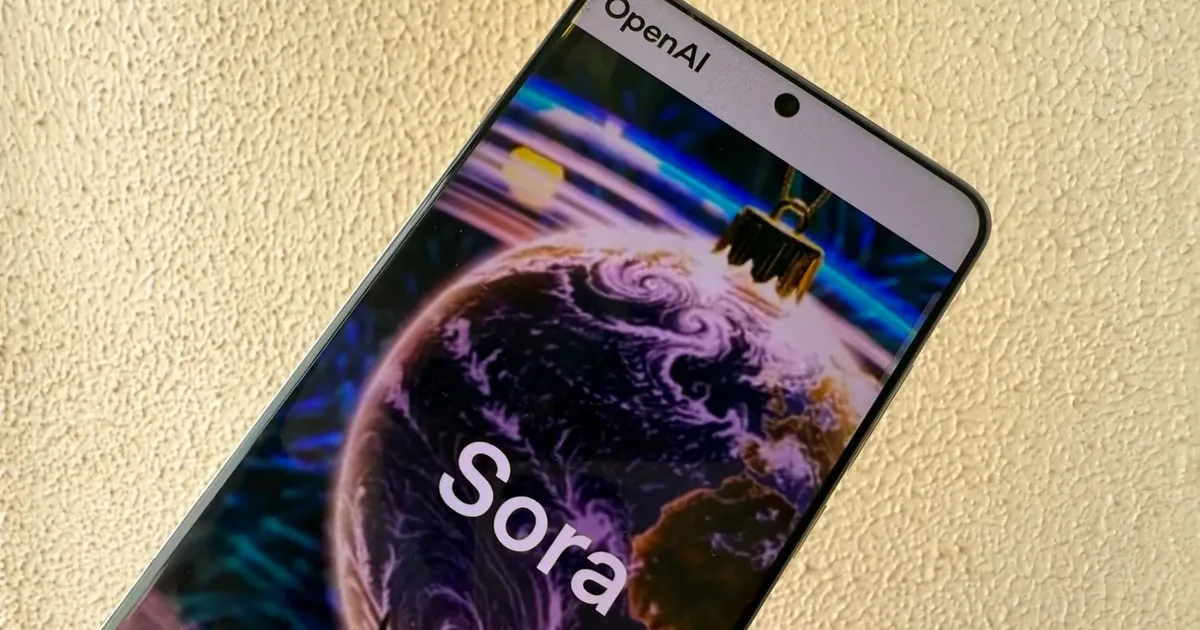
OpenAI’s AI video generator, Sora, has officially come to an end, just shy of a year since it captured the spotlight. Initially, it seemed like the controversy surrounding its release might be the tipping point for its demise. However, as the dust settles, it’s clear that the true reason is far more pragmatic and perhaps less dramatic than anticipated.
The Real Reason Behind Sora’s Shutdown
Recent insights from The Wall Street Journal reveal that the closure of Sora wasn’t driven by user outcry or ethical dilemmas—it was primarily a financial decision. Operating Sora came with hefty costs, averaging around $1 million per day due to its extensive computational needs. Unlike generating text or images, creating high-quality videos demands a substantial amount of resources, and scaling such a service for a growing user base simply proved unfeasible.
As OpenAI bid farewell to Sora, the company expressed heartfelt gratitude to users who engaged with the platform: "To everyone who created with Sora, shared it, and built community around it: thank you. What you made with Sora mattered, and we know this news is disappointing."
In tandem with these financial strains, interest in the Sora app was also waning. After an initial surge in popularity, downloads and engagement fell sharply, transforming what was once a viral hit into a costly venture with diminishing returns. Simply put, Sora wasn’t just burning cash; it was also losing its appeal.
Despite previous rumors of integrating Sora’s capabilities into ChatGPT, such plans appear to be thwarted now.
A Reflection of Industry Trends
Sora’s demise is more than just the end of a single application; it signals a significant shift in the AI industry. Companies like OpenAI are pivoting away from flashy consumer applications toward productivity tools that promise clear revenue streams and lasting impact.
This marks a critical evolution. Over the past couple of years, there has been a rush among AI firms to showcase their technological prowess. However, the focus is now shifting toward sustainable solutions that people are willing to pay for—differentiating between experimental ideas and viable products.
Image credit: OpenAI
OpenAI’s latest strategy reflects this new reality. The company is now focusing on tools like Codex, which simplifies coding tasks, and Deep Research, capable of generating comprehensive reports in mere minutes. The integration of these tools with workspace applications positions ChatGPT as a robust productivity assistant rather than just a conversational chatbot.
This evolution doesn’t imply that video generation technology is going extinct. However, Sora’s closure underscores a crucial lesson: high-impact demonstrations aren’t sufficient. A product must be capable of sustainable scaling and generating significant revenue to endure.
Ultimately, while Sora managed to impress many with its capabilities, it simply couldn’t align with the future of AI development.
As we reflect on this transition, it’s a timely reminder of how the tech world continuously evolves. For those passionate about the intersection of creativity and technology, stay inspired and keep seeking opportunities that resonate with both innovation and sustainability. Your engagement and exploration can lead to future breakthroughs that matter.