Unpacking Google’s Gemini Branding Dilemma: A Closer Look at AI’s Identity Crisis
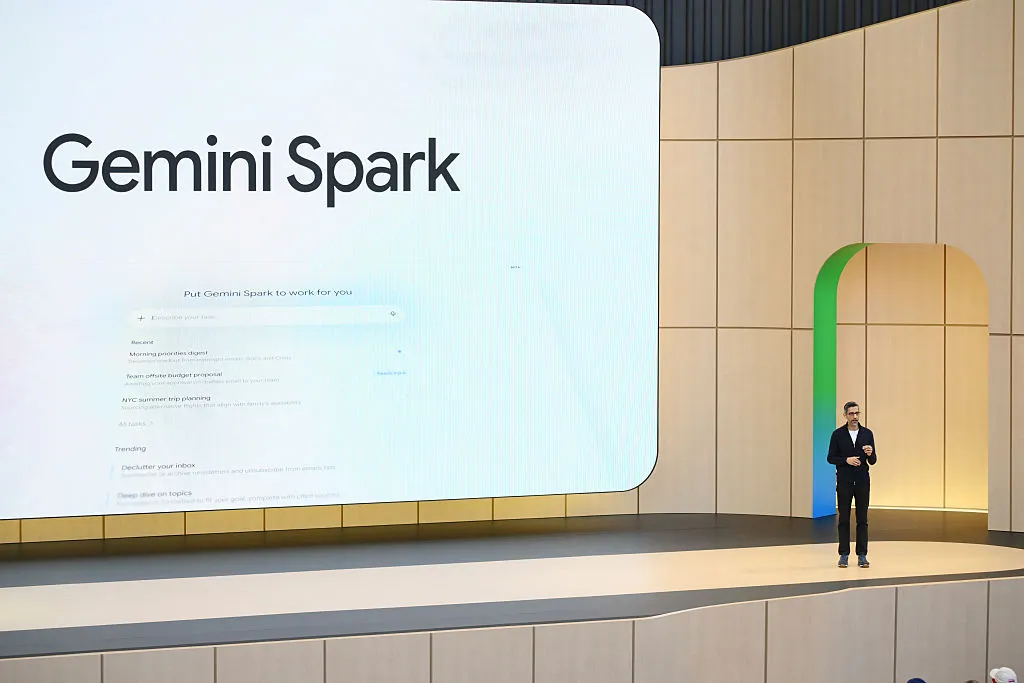
Google’s Gemini has recently garnered attention, but not all of it is flattering. For a product designed to lead the charge in artificial intelligence, Gemini’s branding feels inconsistent and leaves room for improvement. As the landscape of AI technology continues to evolve, it’s essential for leaders in the field to develop a clear identity that resonates with both developers and consumers.
The Importance of Branding in AI
Branding isn’t just about logos or catchy names; it’s about creating a connection. In the AI sector, where innovation runs rampant, a strong brand can help distinguish a product amidst a sea of choices. When people understand what a brand stands for, it builds trust and encourages adoption.
However, many companies, including Google with its Gemini product, struggle with clarity and consistency in their branding. This struggle not only confuses potential users but can also lead to negative perceptions about the product’s reliability.
The Contemporary AI Landscape
In today’s world, artificial intelligence isn’t just a buzzword; it’s becoming a part of daily life. From personal assistants to advanced analytics, AI applications are everywhere. However, the branding strategies of many AI systems fall short in conveying their unique advantages.
When consumers are faced with vague marketing messages, they may hesitate to engage.
- Differentiation is key—AI brands need to highlight what makes them unique.
- Transparency in functionality and purpose fosters trust.
- Engaging storytelling can enhance relatability and user connection.
The Case of Google’s Gemini
Google is a household name, yet even it isn’t immune to branding challenges. The Gemini project aims to showcase cutting-edge AI capabilities, but its presentation has often left potential users scratching their heads.
Conflicting messages and vague descriptions create a barrier to understanding. The result? A perception that the AI system may be more complex than it actually is.
Why does this matter?
- First impressions can make or break user acceptance.
- Misunderstanding a product’s value leads to missed opportunities.
It’s clear that honing a focused and intuitive branding strategy could elevate Gemini’s presence in the market.
Moving Forward: Strategies for Improvement
For brands in the AI industry, like Google, adopting a more coherent approach to branding can create significant advantages. Here are several strategies to consider:
- Clarify Messaging: Clear, concise language can demystify complex technology.
- Engage Users Emotionally: Connecting on a human level enhances brand loyalty.
- Showcase Use Cases: Highlighting practical applications fosters understanding and interest.
Building Trust Among Consumers
Trust plays a pivotal role in the success of any AI product. For brands, it’s crucial to demonstrate reliability and effectiveness consistently.
- User testimonials and success stories can resonate powerfully.
- Educational content, such as webinars or blogs, boosts user knowledge and strengthens brand authority.
Conclusion
The world of AI continues to expand, with Google’s Gemini standing at a crucial intersection of technology and perception. By refining its branding strategy, Google has the opportunity to foster deeper connections with its audience and solidify its place in this fast-evolving sector.
For those involved in AI, keep this in mind: clarity and connection are essential. As you explore and engage, remember that a strong brand identity helps build the trust this technology demands. Let’s strive to create and promote products that not only shine in innovation but also resonate with the people they aim to serve.
Are you ready to join the conversation and elevate the experience of AI in your life? Dive into the journey, and together let’s pave the way for transformative technologies that truly connect with us.