Unlocking Warehouse Efficiency: Gartner Reveals Four Key AI Tiers for Automation Success
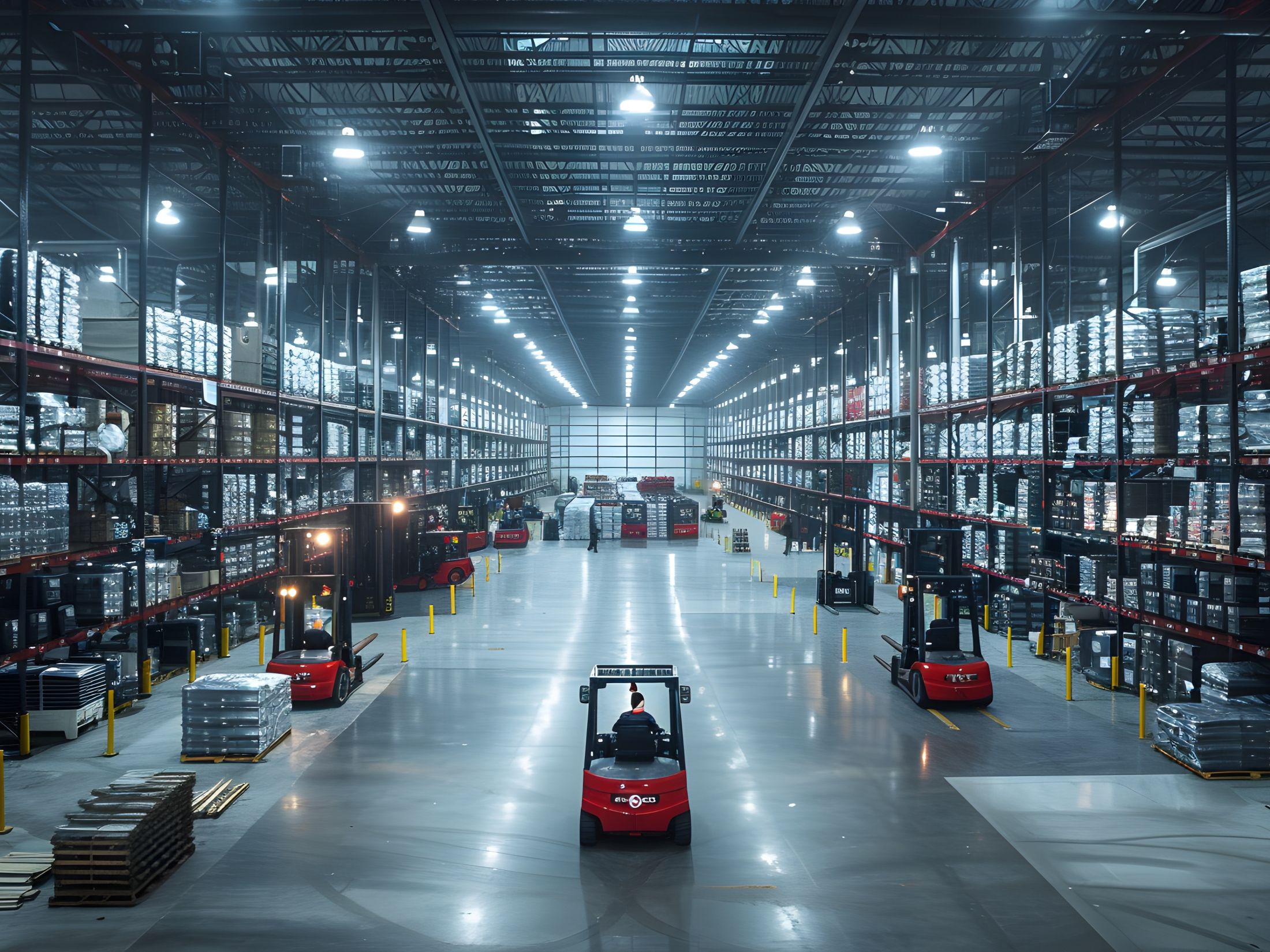
Gartner, the renowned research firm, has recently highlighted a pivotal moment in logistics. As warehouse automation evolves, logistics operators are making a significant leap from mere software experiments to full-scale implementation. This transition is not just a trend; it’s a strategic necessity for businesses aiming to improve efficiency and adapt to an ever-changing environment.
The Forces Driving Change
Three critical factors are pushing the logistics sector towards a more automated future.
-
Labor Shortages: The persistent shortage of skilled workers has made it essential for logistics facilities to adopt automated systems.
-
Lower Capital Requirements: Today’s software models demand significantly less initial investment, making automation more accessible and attractive.
- Reliable Technology: Advanced algorithms and autonomous machinery have reached a level of reliability that justifies their deployment in operational settings.
According to Federica Stufano, a Senior Principal Analyst at Gartner, “These four AI trends are interconnected and reflect the evolution of a more intelligent, adaptive, and resilient warehouse environment.” Her insights reinforce the idea that awareness of these systems is crucial for smooth enterprise deployment, allowing supervisors to understand automated reasoning effectively.
Enhanced Optimization Models and Generative Planning
Traditional models are evolving, moving beyond static decision trees and cumbersome spreadsheets. Today’s sophisticated algorithms leverage real-time data, allowing for more flexible and efficient warehouse operations.
- Key Workflows Optimized:
- Demand Forecasting: Predicts inventory needs based on trends.
- Shift Planning: Allocates human and machine resources efficiently.
- Travel Routing: Streamlines paths for picking and packing.
- Stock Placement: Optimizes inventory locations based on demand.
These dynamic adjustments enhance productivity and reduce operational costs while maintaining essential audit trails for compliance. Additionally, machine learning systems can now analyze unstructured data—such as maintenance records and delivery receipts—transforming documentation into actionable insights.
For instance, when supplier delays occur, software agents can quickly generate updated picking instructions, ensuring that floor supervisors receive real-time guidance on their handheld devices. Technicians can also access specific repair instructions based on previous maintenance records, streamlining operations.
Semi-Autonomous AI Agents and Physical Warehouse Automation
The introduction of semi-autonomous AI agents marks a significant advancement in logistics. These intelligent systems are designed to manage complex workflows while ensuring human oversight.
- Key Functions of AI Agents:
- Inspecting active floor queues.
- Reassigning picking tasks.
- Redistributing machinery throughout the facility.
Human managers retain the authority to make high-value decisions, enhancing the synergy between human insight and machine efficiency. This cooperative model minimizes workflow interruptions and boosts response times during peak operations.
Furthermore, as automation technology continues to integrate with industrial robotics and spatial sensors, the capabilities of warehouses have expanded dramatically. From picking and packing to parcel sorting and pallet transit, autonomous systems are executing tasks with impressive accuracy.
Reports indicate that this integration leads to a more consistent item flow and fewer accidents in palletizing zones. With automation filling the gaps left by workforce shortages, logistics directors can meet volume commitments reliably.
Stufano emphasizes the importance of a pragmatic approach: “Supply chain leaders should initially focus on proven use cases, such as labor forecasting and slotting, before venturing into more advanced applications like generative AI.” Establishing solid operational baselines using reliable inventory optimization tools can set the stage for more sophisticated systems, like autonomous lift trucks.
For those eager to delve deeper into the world of physical AI, the Physical AI Expo will be taking place in Amsterdam, London, and North America. This event is a fantastic opportunity to explore the future of logistics and technology.
Conclusion
The journey towards a fully automated warehouse environment is well underway, fostering an era of increased efficiency and adaptability. By embracing these transformative technologies, logistics operators can not only navigate current challenges but also position themselves for future success. If you’re ready to take your logistics operations to the next level, consider integrating these advancements into your strategy now. Let’s drive the future of logistics together!