Revolutionary Stanford Evo 2 AI Model Develops Phages to Combat E. coli Infections
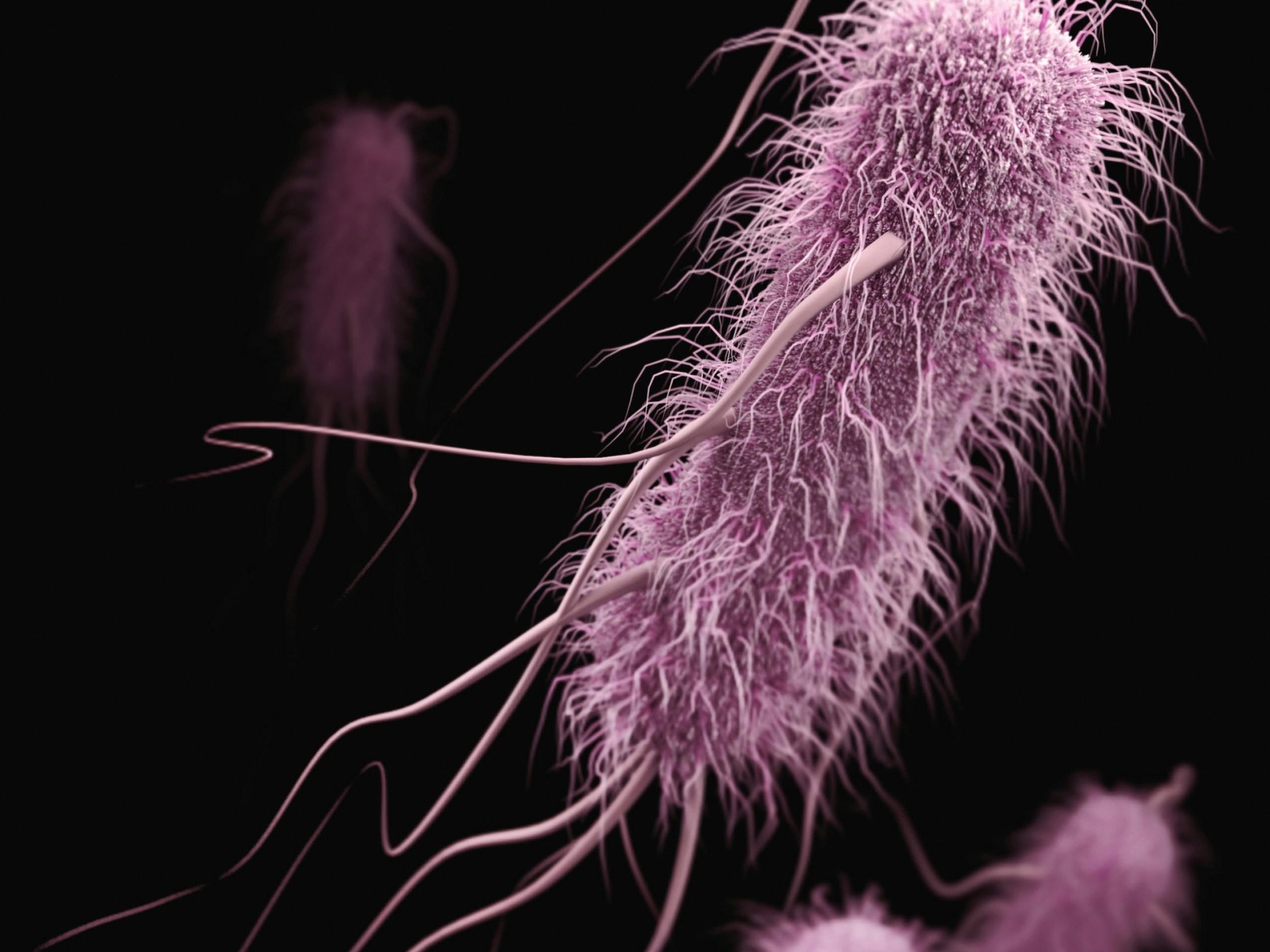
Stanford researchers have made a groundbreaking advancement by synthesizing nearly 300 bacteriophages derived from DNA sequences generated by the innovative Evo 2 AI model. Through meticulous lab testing, the team narrowed this impressive pool down to 16 phages that exhibited exceptional efficacy in targeting and destroying E. coli. This endeavor not only showcases the potential of AI in biotechnology but also opens new avenues for combating antibiotic-resistant bacteria.
The Role of Evo 2 in Phage Discovery
Evo 2 is not just any tool; it’s a sophisticated AI model created by Brian Hie, an assistant professor of chemical engineering at Stanford. Alongside bioengineering graduate student Samuel King, Hie led the experimental work that produced these promising results. The focus was on the bacteriophage ΦX174—a compact yet powerful model, boasting fewer than 6,000 base pairs, far simpler than the approximately 3 billion in the human genome.
Hie made a remarkable observation: some phages suggested by Evo 2 exhibited greater fitness than their native counterparts during laboratory evaluations. This raises an exciting question: can AI-generated models create entire viable viral genomes, rather than just suggesting minor DNA modifications?
Streamlining Candidate Selection
Before synthesizing DNA, King developed a comprehensive computational framework to efficiently filter the vast array of candidate genomes produced by Evo 2. This strategic assessment was based on traits derived from ΦX174 and similar phages, ensuring that only the most promising candidates moved forward to the laboratory phase.
The DNA synthesis process imposes practical constraints on researchers. Thus, after generating numerous genomes with Evo 2, the team meticulously evaluated them against predetermined design criteria. Subsequently, they chemically synthesized selected candidates to uncover which genomes were the most effective in combatting E. coli.
King articulated the importance of their design framework: "One of the main parts of the design framework was figuring out what traits the genomes should have based on ΦX174 and related phages." This thoughtful approach not only saved costs but also concentrated resources on the candidates deemed most viable.
Embracing a Multi-Phage Approach
To tackle the issue of bacterial resistance, the researchers chose more than one E. coli-targeting phage. Hie pointed out that phage mixtures complicate the bacteria’s ability to develop resistance. "If the bacteria gains resistance to a single phage, it’s game over for the medication," he explained. Conversely, having multiple genetically distinct phages makes it challenging for bacteria to evade the whole treatment.
Remarkably, their 16-phage cocktail quickly overcame resistance in E. coli strains that had previously resisted the native ΦX174. This paves the way for further explorations targeting even more resistant bacteria, such as methicillin-resistant Staphylococcus aureus (MRSA) and Pseudomonas aeruginosa, notorious for causing difficult-to-treat infections in hospital settings.
Open-Source Innovation to Expand Research Horizons
In a forward-thinking move, Hie has made Evo 2 available as open-source software, allowing researchers worldwide to utilize this model for designing genomes. While this open access has sparked discussions on safety and security, Hie believes that modifying existing pathogens poses a greater risk than enabling constructive research.
He views AI-enhanced systems as pivotal in addressing naturally occurring pandemics and defending against potential man-made biological threats. "One of the most rewarding parts of this project is the creativity Evo 2 allows. New doors in science are now open because of what we can do with these models," King expressed.
The Journey Ahead
Looking to the future, the team plans to extend Evo 2 to handle longer and more complex DNA sequences. They foresee the potential for targeting small bacterial genomes, which could lead to engineered microbes capable of producing essential chemicals, medicines, or even fuels.
Hie emphasizes the ongoing challenges, stating, "The biggest open questions for me are how do we get greater genetic novelty and how do we get greater controllability of the outcomes?" As researchers continue to explore these possibilities, the implications for bacterial treatment and genetic innovation are profound.
If you’re inspired by the intersection of AI and biotechnology, consider following these developments closely. The future is bright, and your engagement can help pave the way for groundbreaking advancements in health and medicine.