Japan Tackles Worker Shortage with AI: The Vision for 10 Million Robots
Japan is making headlines with a bold initiative in artificial intelligence, positioning itself as a global leader in robotics. With plans to deploy 10 million AI-driven robots across 18 industries by 2040, the strategy is not just ambitious; it’s a significant commitment backed by a staggering one trillion yen—approximately $6.1 billion—in public funding over the next five years. This is a remarkable leap forward for a nation already known for its innovation.
As excitement builds around this initiative, it’s essential to peel back the layers and explore what it truly means for Japan’s future.
The Vision Behind the AI Robot Initiative
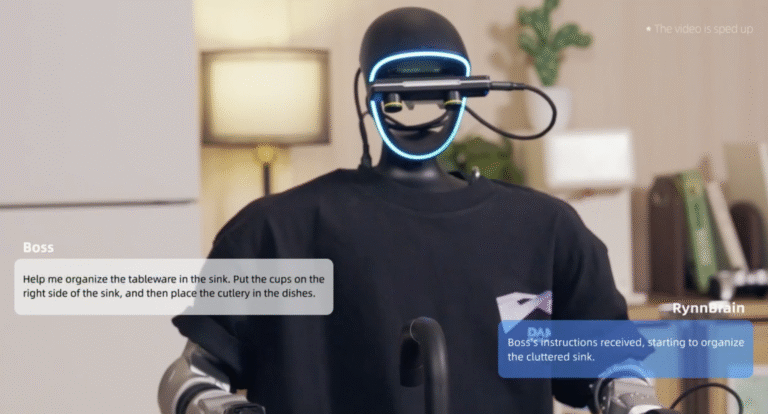
The Ministry of Economy, Trade and Industry (METI) and the New Energy and Industrial Technology Development Organization (NEDO) have formally enlisted Noetra and the National Institute of Advanced Industrial Science and Technology (AIST) to develop groundbreaking “physical AI” models. This partnership aims to create a multimodal foundation capable of understanding language, images, video, and sensor data. Imagine a robot that doesn’t merely follow programmed commands but can comprehend its environment and respond appropriately.
The first iteration of this technology is anticipated to debut within this fiscal year, with updates rolling out annually. The funding structure is not merely a handout; instead, it involves a significant commitment of about $2.3 billion for the current fiscal year, derived from an allocation of 387.3 billion yen through GX Economy Transition Bonds.
It’s important to note that the project is not locked in long-term. The funding will be reviewed annually, allowing Tokyo to adjust its support based on Noetra’s progress, ensuring accountability and achievement of milestones.
Who Is Making This Happen?
Noetra, a key player in this initiative, boasts major backing from leading corporations like SoftBank, NEC, Sony Group, and Honda. There’s buzz that Fujitsu and Rakuten may soon join the consortium. This collaborative approach embraces the strengths of various companies, pooling expertise in hardware development crucial for these AI systems—from Honda’s robotics to Sony’s imaging technologies.
This strategy reflects a familiar pattern in Japan’s industrial landscape: rather than placing the burden on a single entity to innovate, the government has orchestrated a collective of established leaders, fostering synergy.
Why Robots, and Why Now?
Industry Minister Ryosei Akazawa has articulated a clear rationale for this initiative. With an economy facing labor shortages due to an aging population and stringent immigration policies, the urgency to integrate robots into essential sectors like restaurants, food manufacturing, and healthcare has never been greater.
Japan has a robust foundation in robotics, particularly in fields like elder care, disaster response, and manufacturing. This project represents an opportunity to transform domestic knowledge into a global export, addressing labor gaps while enhancing productivity.
Moreover, the timing of this announcement is strategic. Just a day after Japan’s declaration, South Korea unveiled its own robotics initiative, with both nations striving to take the lead in what may emerge as a significant frontier in the AI landscape.
What’s Next on the Horizon?
While the ambitious target of 2040 seems far off, the immediate focus lies on the crucial first stage-gate review. If Noetra meets its early benchmarks and launches a functional model this fiscal year, expect interest from investors to surge. Conversely, if progress stalls, the funding structure grants Tokyo the discretion to withdraw support, emphasizing the importance of tangible results.
As Japan embarks on this transformative journey towards robotics, the world will be watching closely. Will it succeed in shaping the future of industries globally? Your thoughts and insights on this groundbreaking initiative are welcomed—join the conversation and let’s explore the possibilities together!