Google Pay Unveils Universal Commerce Protocol to Integrate AI Agents
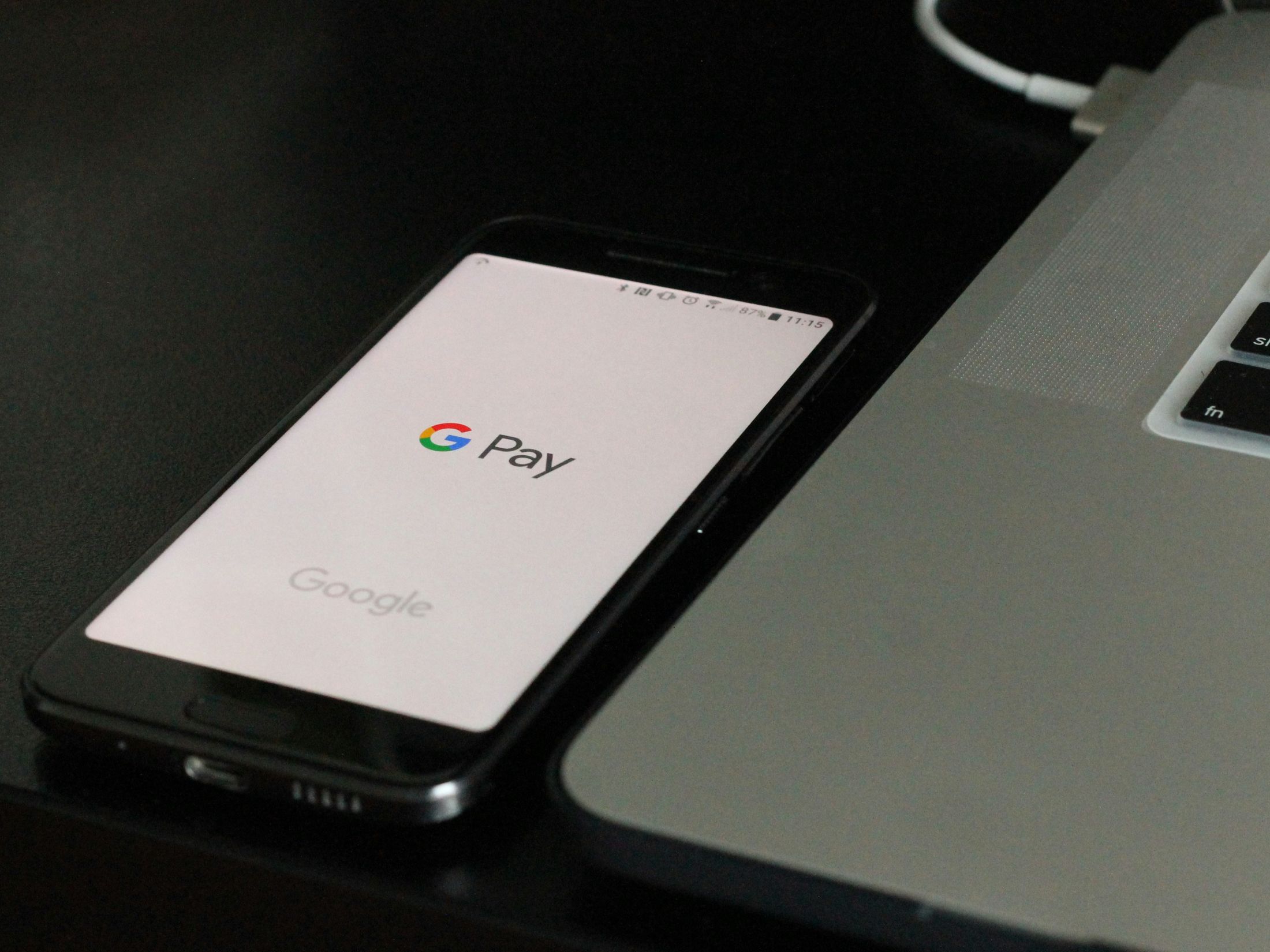
Google Pay is stepping boldly into the future, reinventing its payment framework to accommodate a surge of transactions managed by AI agents. This exciting evolution introduces the Universal Commerce Protocol and a cutting-edge server architecture, aiming to transform Google Pay into a vital hub for purchases made by autonomous entities. In an age where automation meets everyday tasks like booking flights or ordering supplies, it’s clear that traditional checkout methods need a serious upgrade.
Embracing the Future: AI and Payment Integration
These updates redefine online transactions, making way for several key components:
Universal Commerce Protocol (UCP)
The UCP sets a new standard for how AI agents interact with payment and merchant systems. By establishing a common language for transaction initiation, inventory verification, and fulfillment, the protocol eliminates the cumbersome requirement for custom integrations for each merchant.
New Merchant Commerce Platform (MCP) Server
Google is rolling out an advanced server architecture that acts as a mediator in transactions. This MCP server effectively manages how merchants connect and interprets transaction trends. For developers working with AI agents, it simplifies the complex backend operations, while Google consolidates vast amounts of data to enhance efficiency.
Dynamic Callbacks for Enhanced Functionality
To support more intricate checkout processes, Google is introducing dynamic callbacks within its Android Pay API. This feature allows real-time updates—such as adjusting shipping costs—without requiring users to restart the transaction. It creates a smoother experience whether transactions are initiated by humans or AI.
Extended WebView Support
The expansion of payment functionality within WebViews is a pivotal detail. This enhancement ensures that transactions can seamlessly occur within third-party apps, particularly on social media platforms, where conversational commerce is becoming more common.
Realities of Machine-to-Machine Commerce
Gone are the days when the customer journey relied solely on clicks and page views. Now, it’s about how an AI agent interprets product data and processes transactions through APIs. This shift challenges marketing leaders to rethink search engine optimization—not for humans, but for machines.
- Present information clearly: Product details, pricing, and stock availability must be machine-readable. If your inventory doesn’t cater to AI, your business could be lost in the shuffle.
However, the introduction of the MCP server is not without its challenges. Relying on Google’s platform raises concerns regarding data governance and vendor dependency.
New Architectures for Security and Trust
As AI agents begin executing transactions, new security challenges emerge. A malfunctioning or rogue agent could potentially initiate unauthorized purchases, leading to significant risks.
Google proposes a solution through cross-device biometric authentication, where an AI agent can request human verification for critical transactions. Imagine receiving a prompt on your smartphone to confirm a purchase the agent handled on your computer. This strategy introduces a “human-in-the-loop” security framework for sensitive transactions.
Defining when an AI agent can act independently versus when it must seek human oversight is essential for corporate governance. Establishing these protocols demands a seamless connection between business policies and software actions.
A Bright Future Ahead
The enhancements coming to Google Pay represent more than just an update; they’re a clear signal of the architectural transformations needed for a machine-driven economy. Companies that still view their digital presence as merely a series of websites for human interaction risk being left behind in this new commercial landscape.
As we navigate this exciting shift toward AI-driven transactions, consider what it means for your business. Are you ready to adapt to a world where autonomous agents will play an integral role in commerce? The future is here, and it’s time to embrace it.
Dive deeper into the evolving world of AI and commerce—let’s transform together!