Goldman Sachs Predicts AI Investment Transition Towards Data Centers
Artificial intelligence is transforming not just industries, but entire economies. As we navigate this complex terrain, a power shift is underway, with investors and companies becoming increasingly discerning in their focus. Instead of merely jumping on the AI bandwagon, they are honing in on the essential data center infrastructure that underpins successful AI systems. Welcome to the next phase of AI investment—where quality trumps hype.
A Shift Toward Quality Investments
Recent insights from Goldman Sachs indicate a notable trend toward what they term a “flight to quality.” This shift suggests that investors are becoming more prudent, gravitating toward companies that possess robust data centers and advanced computing infrastructure. In contrast, those offering more niche AI tools or experimental software are finding themselves on the back burner.
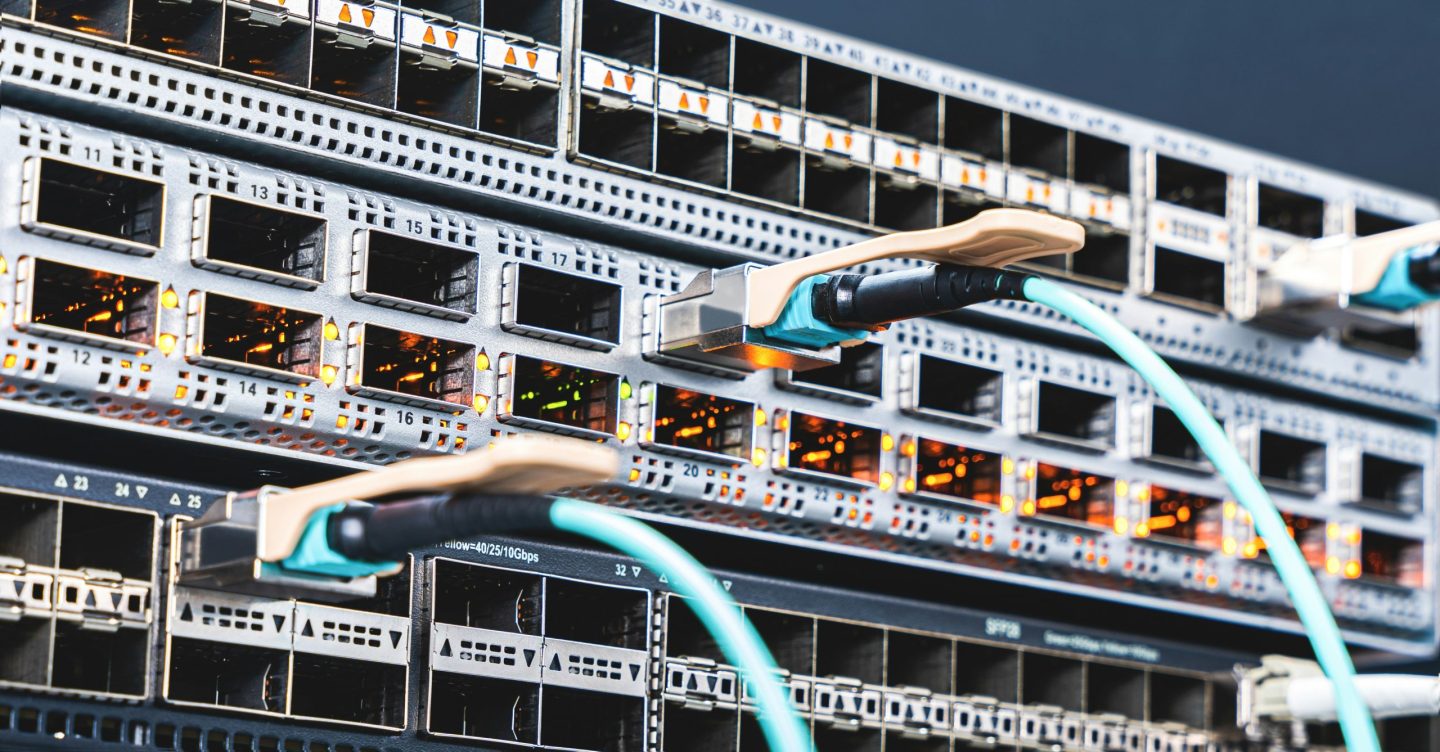
According to Goldman Sachs, we are on the brink of a surge in spending on AI infrastructure, with companies eager to enhance their computing capabilities for both model training and deployment. Hyperscale cloud firms are leading this charge, investing billions annually to bolster their data centers and enhance computing hardware. Moreover, the networking systems that support this growth are also expanding rapidly.
The Demand for AI is Transforming Data Centers
Goldman Sachs Research posits that AI workloads could comprise about 30% of total data center capacity within the next two years. This marks a significant shift from traditional cloud workloads, as training extensive models necessitates thousands of chips operating in unison for prolonged periods. The inference phase, crucial for generating responses or predictions, requires a consistent and robust computing power, highlighting why the demand is escalating.
Cloud providers and AI innovators are accelerating their data center capacity expansions at a rate previously unseen in earlier cloud computing eras. However, it’s essential to recognize that this demand extends beyond mere computing hardware; the need for energy supply has become central in the AI race.
Goldman Sachs predicts that global data center power demand could surge by 175% by 2030 compared to 2023. This dramatic rise is largely driven by AI workloads and is comparable to adding the electricity demands of an entire top-10 power-consuming country to the global grid. This increasing demand is prompting utilities and governments to rethink their investments in energy infrastructure.
Infrastructure Constraints Inform AI Strategies
As the urgency for power and cooling grows, the site selection for new AI data centers is significantly influenced. Requirements for space are reshaping decisions concerning where these facilities are built. Often, large centers are sited near stable energy sources and high-capacity fiber networks. Many companies are even establishing AI training clusters in remote locations where land and electricity are more attainable.
Moreover, the environmental impact must be factored in; academic research indicates that elements like cooling systems and the geographic location of data centers can influence energy use and water consumption as much as hardware efficiency.
These limitations are starting to reshape how tech companies strategize about AI. Developing new models or software isn’t the only challenge; firms must also ensure that they have the proper infrastructure to reliably run these systems—a process that can take years to implement.
Constructing large data centers involves navigating complex supply chains and acquiring land. Many projects depend upon long-term energy agreements; complications arising from shortages of electrical components and grid expansions can further delay these initiatives. Consequently, investors are increasingly interested in companies that already have established networks of data centers.
Entering a More Selective AI Market
During the initial surge of generative AI, numerous companies experienced burgeoning market values merely by associating with AI. However, this dynamic is shifting as investors reassess the foundational elements that will sustain AI’s growth.
Investors are now on the lookout for firms that possess both the infrastructure and revenue models capable of supporting long-term AI deployment. Data center operators and chip manufacturers are becoming vital stakeholders within the broader AI ecosystem; their services remain indispensable, regardless of which AI applications flourish.
Historically, companies that constructed the underlying infrastructure reaped stable, long-term revenues, while software platforms fluctuated more dramatically. This trend appears to be resurfacing in today’s AI arena.
As infrastructure expansion continues, new challenges arise. Energy demand and grid capacity are now prioritized by both government officials and industry planners, while environmental considerations undergo increased scrutiny.
In the forthcoming years, the backbone of the AI economy might rely as much on power plants and cooling systems as it does on algorithms and software. This reality is shaping the next stage of the AI race, urging us all to consider the broader implications of this transformative technology.
As we progress through these developments, let’s remain thoughtful about our investments and the infrastructures that support our innovations. The future of AI is bright, and your engagement matters greatly. Join the conversation today, and let’s explore the possibilities together!