Facing the AI Backlash: How Microsoft Became ‘Microslop’ and What It Means for the Future
At some point in 2025, Windows transitioned from a traditional operating system to something that felt more like an AI showcase. Open up Notepad to jot down a quick note, and suddenly it prompts you to summarize your thoughts. Launch Edge, and you might find Copilot giving you a friendly, albeit unexpected nudge from the sidebar. Programs such as Microsoft Paint transformed, not by becoming user-friendlier, but by adding features to generate, edit, and enhance images for you.
This wasn’t just a sprinkle of AI; it was woven deep into the fabric of the user experience. Initially, this surge of innovation felt invigorating, but soon it became overwhelming.
The Birth of "Microslop"
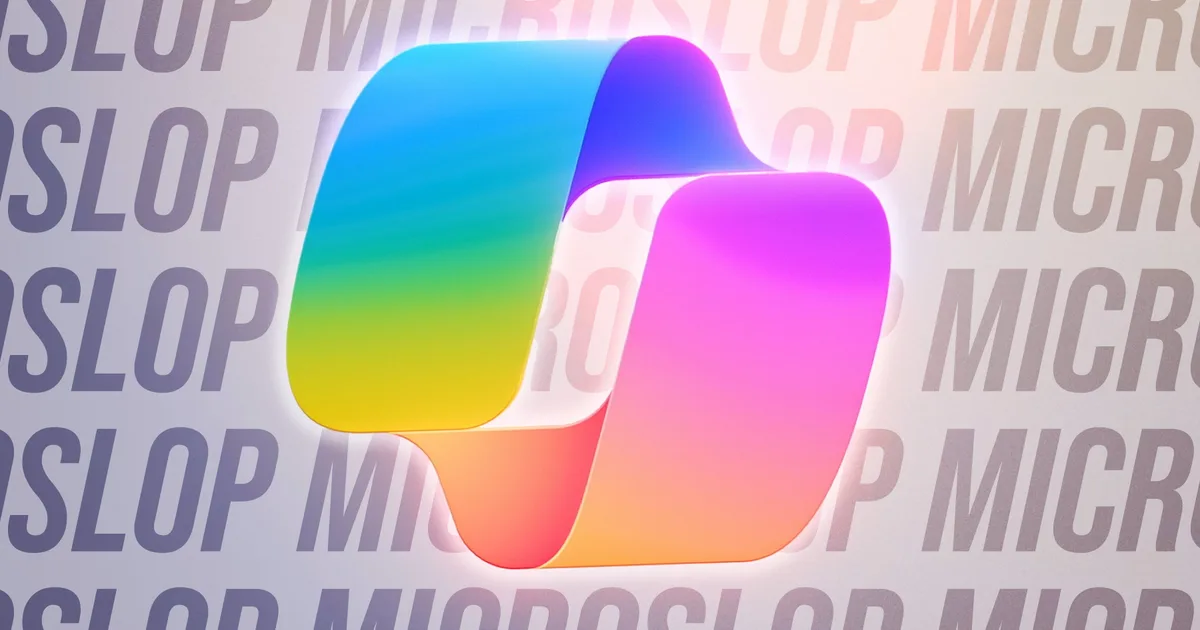
As users began to feel the weight of these changes, a catchy new term emerged: "Microslop." This phrase aptly captured the collective frustration with an AI experience that seemed unwanted. It wasn’t just about bad AI; it was about AI that intruded when users simply wanted to complete basic tasks like creating a grocery list.
This irritation transformed into digital mockery, resulting in Microsoft facing significant backlash. As online audiences took to social platforms, jokes about "Microslop" proliferated, cementing this term in the lexicon of user experience.
Microsoft Responds
The noise surrounding this criticism was hard to ignore, even for Microsoft’s CEO, Satya Nadella, who publicly addressed the backlash. Yet, rather than silencing the critique, his comments only fueled its spread. By early 2026, "Microslop" became shorthand for dissatisfaction, even leading to its ban in some official forums. The emergence of this term signified that what started as a meme had turned into a clear form of user feedback.
A New Direction
Initially, it seemed Microsoft would continue full steam ahead with its AI integration. However, a change occurred in March 2026 when the company released a candid blog post titled Our Commitment to Windows Quality. In it, Microsoft acknowledged users’ concerns, focusing on improving reliability and streamlining the overall experience. They announced plans to scale back the AI’s presence throughout the platform.
This wasn’t just empty rhetoric; noticeable adjustments included reducing entry points where AI made its presence felt. Features initially designed to integrate Copilot deeply into apps like Notifications had been strategically reassessed. The result? A cleaner experience in software like Notepad, Photos, and Snipping Tool—free from overly prominent AI hooks.
AI Isn’t Going Anywhere
While users were pleased with the apparent reduction in AI clutter, the reality is far more complex. Microsoft’s commitment to AI isn’t something easily set aside; it is woven into the foundation of all its offerings. With billions already invested, the company cannot simply dial back its AI ambitions.
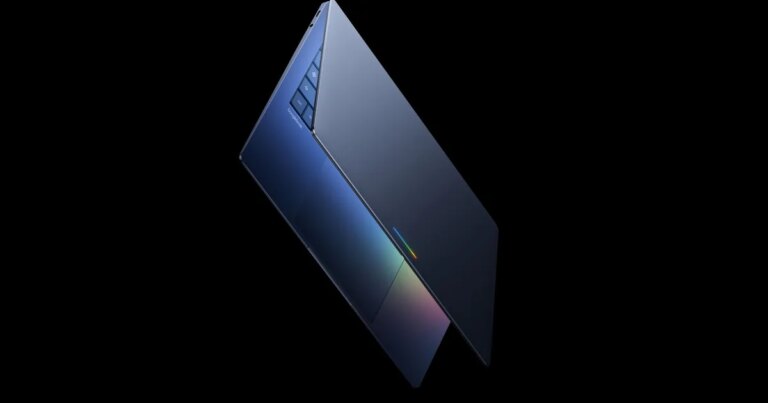
Microsoft’s early investment in OpenAI, the incorporation of ChatGPT across its product lines, and the launch of AI-driven laptops demonstrate a broad and ongoing commitment to AI technology. Even as the visible integrations diminish, Microsoft continuously seeks to embed AI within enterprise tools and services. This period of adjustment isn’t about retreating; it’s about recalibrating.
Stealthy Evolution
The most telling signs of this evolution can be found in subtler aspects of the user interface. For example, Notepad no longer features an obvious Copilot button. Instead, it adopts a more neutral “Writing Tools” icon, showing that while the capabilities remain, they no longer boast a loud presence.
Work continues across the board to rename and rebrand AI features to present them as “Advanced Features,” aiming to create a more seamless user journey.
Shifting Focus
Ultimately, Microsoft hasn’t eliminated AI. Instead, it is evolving the way it’s delivered. While the previous focus was on visibility and presence, the current approach emphasizes a practical integration of AI that feels natural and unobtrusive. Feedback revealed that overwhelming users with AI features simply created fatigue.
Now, Microsoft aims for a balanced, seamless experience where AI functions quietly in the background. The aim is clear: Help without being disruptive, transforming AI into a natural part of the ecosystem that users come to expect, not resist.
Conclusion
Microsoft’s journey has taught it a valuable lesson: successful integration of AI is about more than just showcasing capability. It’s about enhancing the user experience and making the technology feel inherent rather than bolted on. As the company continues to invest in cutting-edge AI models and reshape its offerings, it’s poised for a future where technology not only meets user expectations but also enhances their experience with every interaction.
Are you ready to embrace this evolving landscape? Join us as we navigate the future of technology together, where every update brings us closer to a more intuitive and powerful Windows experience!