Exciting iOS Update: Siri Set to Integrate Third-Party AI Tools
Apple is on the verge of a groundbreaking evolution for Siri, its beloved voice assistant. With the upcoming iOS 27 update, Apple is set to transform Siri from a standalone feature into a versatile hub that collaborates with various third-party AI services. This bold move not only enhances Siri’s functionality but also positions Apple at the forefront of the evolving AI landscape, catering to discerning users who crave sophistication and efficiency.
A Shift Toward an Open AI Ecosystem
Recent reports indicate that Apple plans to unlock Siri’s capabilities to external AI services, moving beyond its current integration with ChatGPT. According to industry insider Mark Gurman from Bloomberg, this change could introduce a range of competing technologies, including Google’s Gemini and Anthropic’s Claude.
Imagine the possibilities: users will soon have the freedom to choose which AI handles their requests, effectively turning Siri into a central hub rather than a solitary assistant. Apple is also rumored to be developing tools that allow third-party AI applications available on the App Store to seamlessly integrate with Siri and other components of the Apple Intelligence ecosystem.
This update is slated for introduction alongside iOS 27, likely to be highlighted at Apple’s upcoming Worldwide Developers Conference (WWDC).
Why Apple Is Making This Move
Apple’s decision reflects the mounting pressure to stay competitive in a rapidly advancing AI environment. Although Siri has been integral to Apple’s ecosystem since its debut in 2011, it has struggled to keep pace with the innovative capabilities of newer AI models.
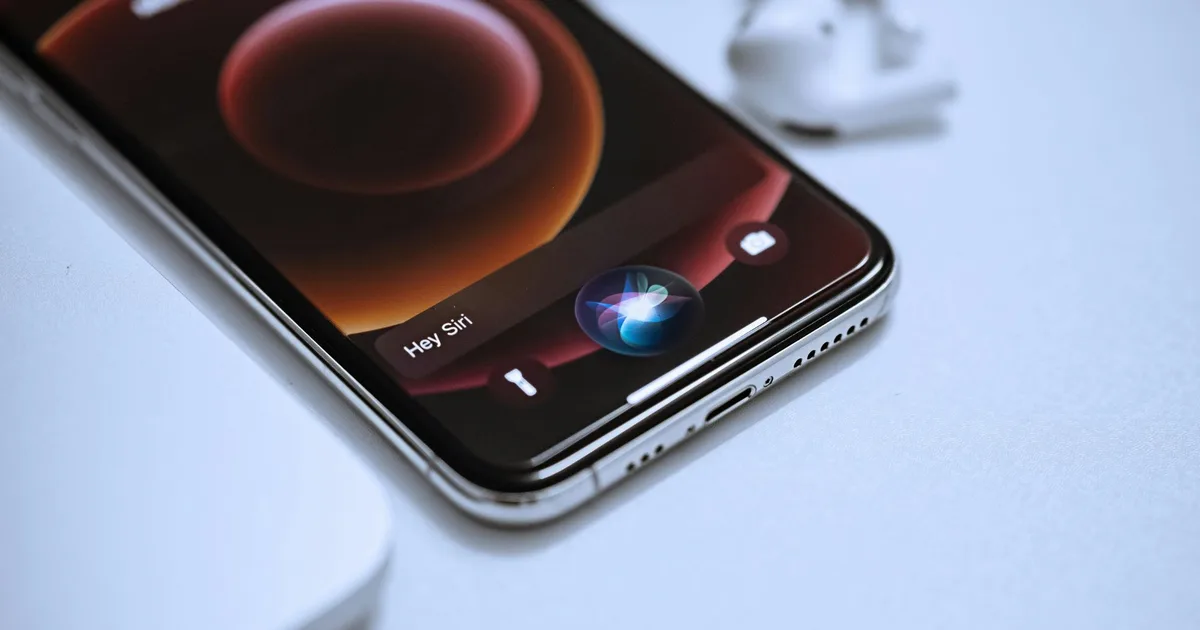
Siri (Credit: Unsplash)
By allowing third-party AI interfaces, Apple acknowledges that it’s not necessary to create the most advanced AI itself. Instead, what’s vital is maintaining control over the user interface and overall experience. This strategy mirrors Apple’s successful approach with the App Store, fostering an environment where external developers can enrich the ecosystem.
What It Means for Users
The implications for iPhone users are substantial. Instead of relying solely on Apple’s built-in functions or a single AI assistant, users will soon have the option to engage different AI systems tailored to their specific needs.
- One AI could excel in creative tasks.
- Another might specialize in search functionalities or productivity enhancements.
This flexibility is poised to deliver more accurate responses, greater personalization, and an overall enriched user experience. Plus, it simplifies interaction—no more toggling between different apps; Siri can serve as a unified interface, bridging multiple AI tools.
Industry Impact and Competitive Landscape
Apple’s strategic pivot could significantly alter the competitive dynamics within the AI assistant market. By opening its platform, Apple is poised to foster innovation among AI providers, all vying for visibility and user engagement within the iOS ecosystem.
Simultaneously, this move distinguishes Apple from competitors like Google and Microsoft, who have heavily invested in proprietary AI models. Rather than battling over performance metrics, Apple appears to focus on seamless integration, privacy, and a superior user experience.
There may even be new revenue streams on the horizon, as Apple could profit from subscriptions or services accessed through these integrated AI applications.
What Comes Next
These remarkable changes are expected to debut alongside iOS 27, with WWDC serving as the anticipated reveal stage. Experts suggest that Apple will showcase not just an enhanced Siri but also improvements in its conversational capabilities and deeper integrations across various systems. Envision a future where Siri evolves into a fully-fledged AI agent, adept at managing complex, multi-step tasks across apps and services.
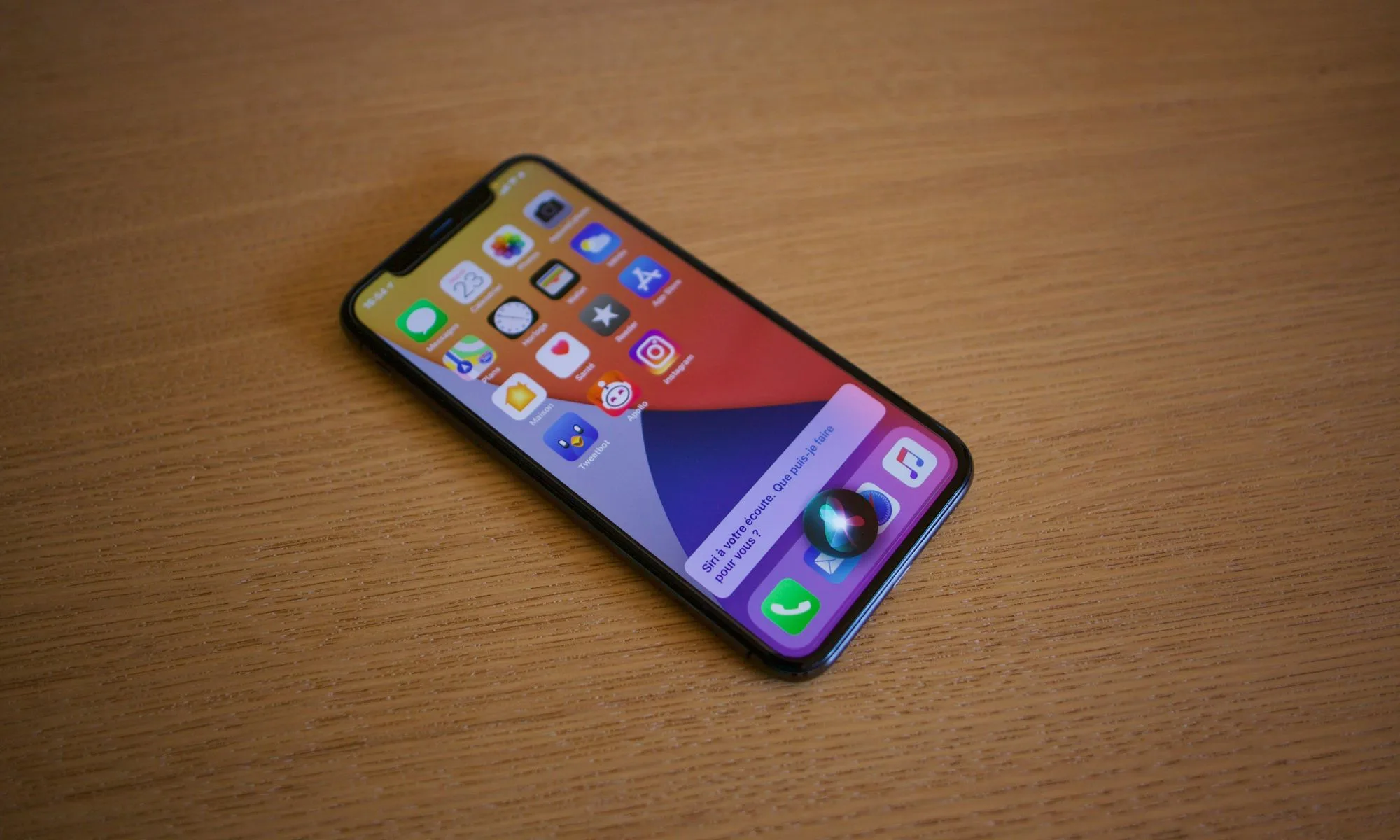
Siri (Credit: Unsplash)
However, the success of this initiative will hinge on Apple’s execution. The company has faced delays and criticism regarding its AI advancements in recent years. Smooth integrations and user-friendly functionality will be critical for this strategy to bear fruit.
The Bigger Picture
Apple’s initiative to open up Siri represents a transformative moment in the evolution of digital assistants. These assistants are moving from solitary tools to platforms that connect users to a broader AI ecosystem.
For users, this signifies enhanced choice, improved performance, and an increasingly intelligent daily experience. For Apple, it’s a strategic gamble—prioritizing control over the interface may prove more advantageous than simply owning the underlying technology.
As this exciting transition unfolds, stay engaged and ready to explore how these advancements can elevate your daily interactions and efficiency. The future of voice assistance is brighter than ever, and you won’t want to miss what’s coming next!