Everything You Need to Know About the New Teen Version of ChatGPT
In today’s fast-paced world, the influence of technology is inescapable, especially for the younger generation. Enter ChatGPT, a virtual assistant that has sparked a mix of fascination and concern among parents and educators alike. This powerful AI tool is not just a passing trend; it’s become an essential companion for teens, guiding them through homework, helping to hone their skills, and answering their myriad questions. Recognizing this growing reliance, OpenAI has taken a bold step to tailor a version specifically for adolescents, fostering safe usage while enhancing learning. Introducing: ChatGPT for Teens.
Fostering a Learning Environment
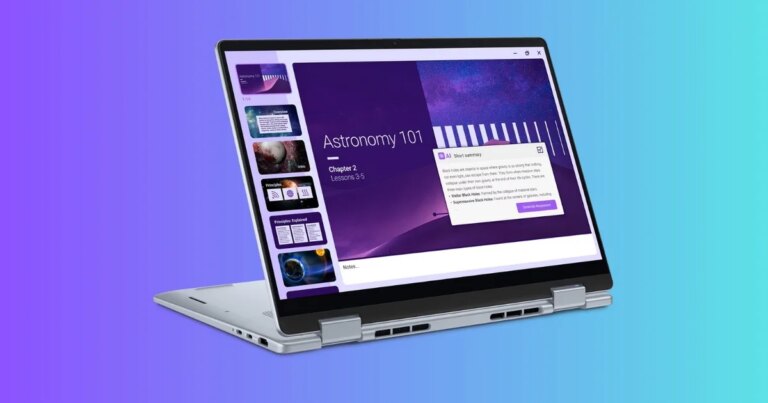
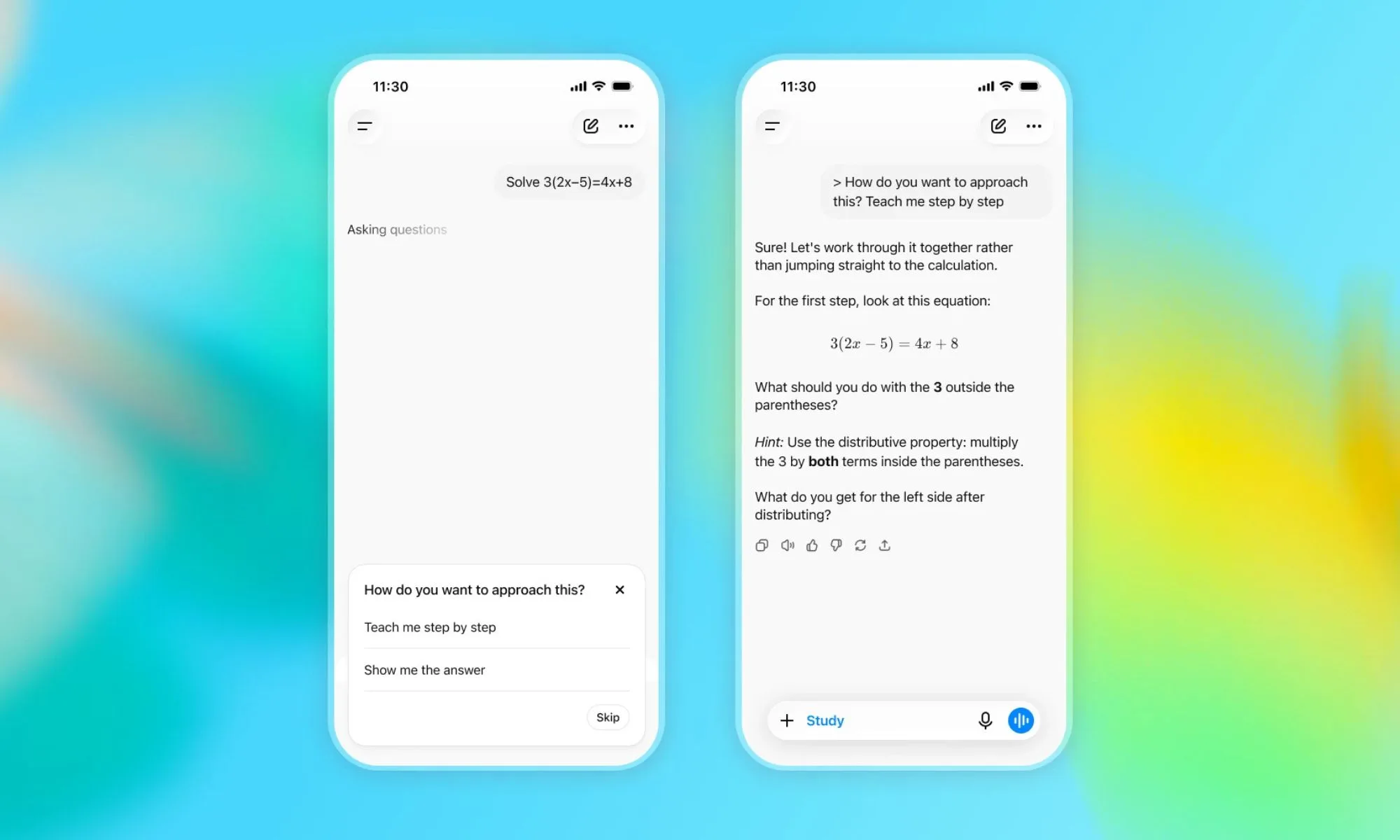
What stands out about ChatGPT for Teens is its approach to education. Imagine facing a complex calculus problem. Instead of simply asking ChatGPT for the final answer, this tailored version not only walks students through the thought process but also clarifies concepts and checks their understanding. This method promotes **healthy learning habits** by transforming an AI into a dependable study partner.
Features such as Study Mode, quizzes, and dedicated study hours redefine how teens engage with their curriculum. The goal is simple: to ensure that ChatGPT is not just a source of answers but an accessible tool for deeper understanding.
OpenAI
Building AI Literacy
Beyond personal study assistance, OpenAI is broadening the conversation around AI literacy. In collaboration with CodeAI, the initiative aims to empower both students and teachers. Rather than merely teaching prompts, this effort focuses on understanding AI mechanics and cultivating critical thinking skills. It encourages users to **question outputs**, steer conversations purposefully, and eventually create their own AI tools.
This educational shift is crucial; as technology evolves, today’s students will navigate a world intricately woven with AI. Learning to discern its reliability will be just as essential as learning to operate it.
Safety First: Designing for Well-Being
With great power comes great responsibility, particularly when it involves teenagers. Introducing a robust AI chatbot inevitably brings safety concerns to the forefront. OpenAI acknowledges this by implementing stricter guidelines for users under 18. This ensures protective measures around sensitive topics, including graphic content and unhealthy lifestyle choices.
Moreover, the interaction dynamics are designed to discourage emotional reliance on the AI and emphasize that it remains a digital entity, devoid of genuine feelings. Recognizing that AI can sometimes blur the lines of reality, OpenAI makes sure that interactions remain grounded in the understanding of what AI truly is.
OpenAI
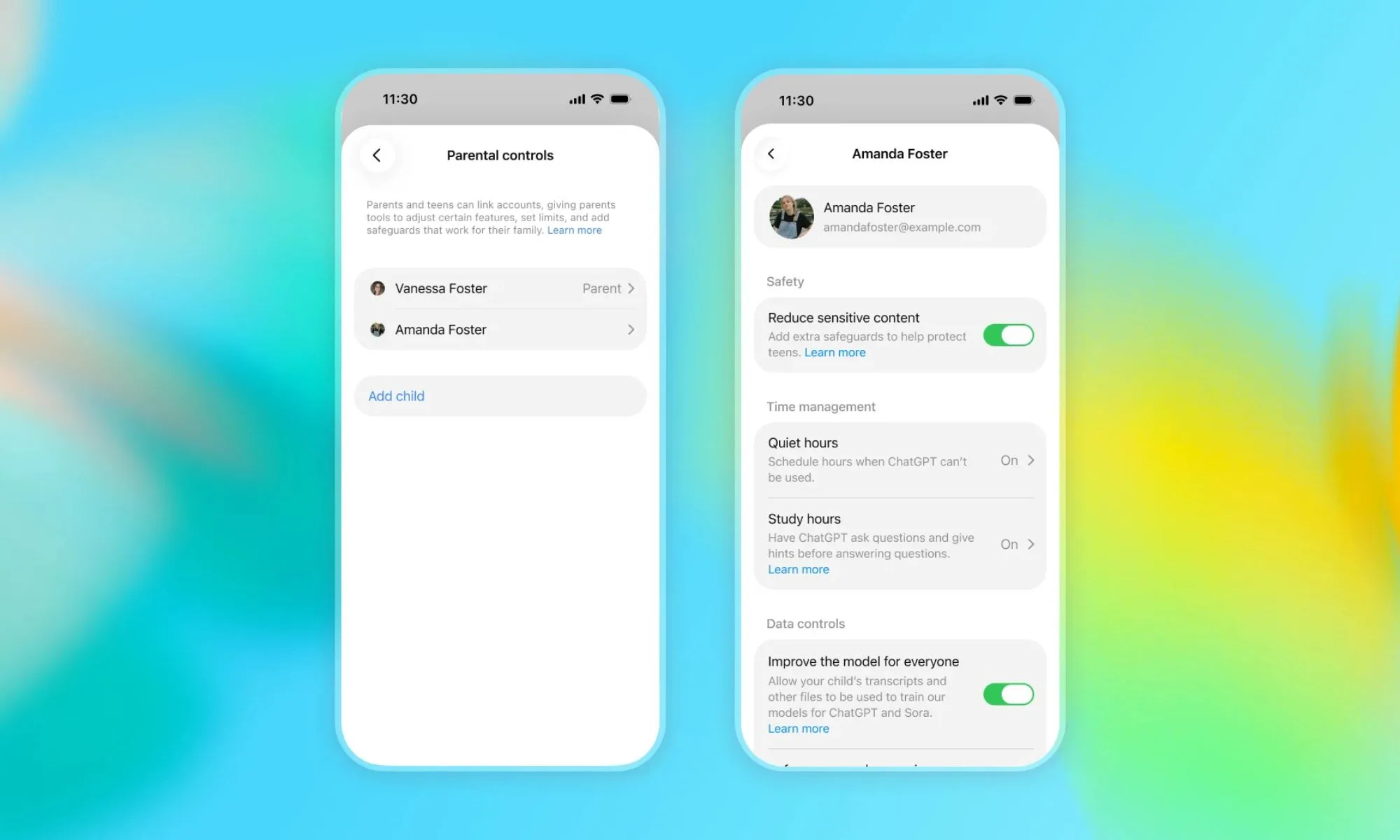
Additional features, such as reminders to take breaks and parental controls for linked accounts, further enhance the safety framework. Parents can monitor settings and receive notifications in sensitive situations, allowing for timely interventions when needed.
Looking Ahead: A Balancing Act
While the development of ChatGPT for Teens is promising, it’s crucial to remain cautious. Concerns surrounding AI-generated misinformation and emotional stress call for careful navigation. Balancing access to information with the need for human connection remains vital.
OpenAI
For parents, the question remains: will these precautions be sufficient to foster trust in AI for their children? As technology continues to intertwine with our daily lives, preparing teens to navigate this landscape responsibly becomes increasingly important. Ultimately, encouraging teens to embrace AI while understanding the value of human interaction may lead them toward a more balanced future.
Are you ready to empower your teen with the right tools for success? Embrace the possibilities of AI responsibly and watch them shine with confidence!