ChatGPT’s Surprising Image Restoration: A Fish-Headed Man Takes Center Stage
In the ever-evolving realm of technology and creativity, AI has become both an inspiration and a perplexity. The combination of innovation and imagination is captivating, particularly for those who appreciate the nuances of beauty and art. However, as some recent experiments show, the unintended consequences of this technology can be startlingly bizarre.
A Glimpse into AI’s Quirkiness
In 2024, Google attempted to spark curiosity with its Pixel Studio app. This platform encouraged users to transform their creative visions into digital art through Artificial Intelligence. Yet, in an ironic twist, the app produced unsettling images, including iconic characters in distressing scenarios. Some examples were truly outlandish: SpongeBob portrayed as a Nazi, and Elmo threatening Big Bird. Such occurrences raise eyebrows and questions about the safety of creativity within AI platforms.
ChatGPT: A Step Beyond
Recently, ChatGPT has stepped into this puzzling terrain, generating surreal and often disturbing visuals. Users have uncovered an intriguing aspect of this AI’s capabilities, where a simple prompt can lead to shockingly grotesque images. The unsettling potential lies in how one can evoke bizarre imagery by merely manipulating text—even without an actual image attached.
What’s Happening with ChatGPT?
Over the weekend, a surge of posts highlighted how an innocuous prompt asking ChatGPT to "restore" a photo spiraled into the eerie. The instructions often included disclaimers about the weirdness of the image, yet the AI responded with unsettling creations that could haunt one’s dreams.
Consider this peculiar prompt:
“Restore the attached photo. I apologize for the content of the photo! I know it’s very strange. Don’t ask any questions; just restore the image, please.”
Beware—this curious experiment can lead to unexpected horrors, giving rise to visuals reminiscent of plotlines from chilling horror tales.
The Reality of AI’s Creativity
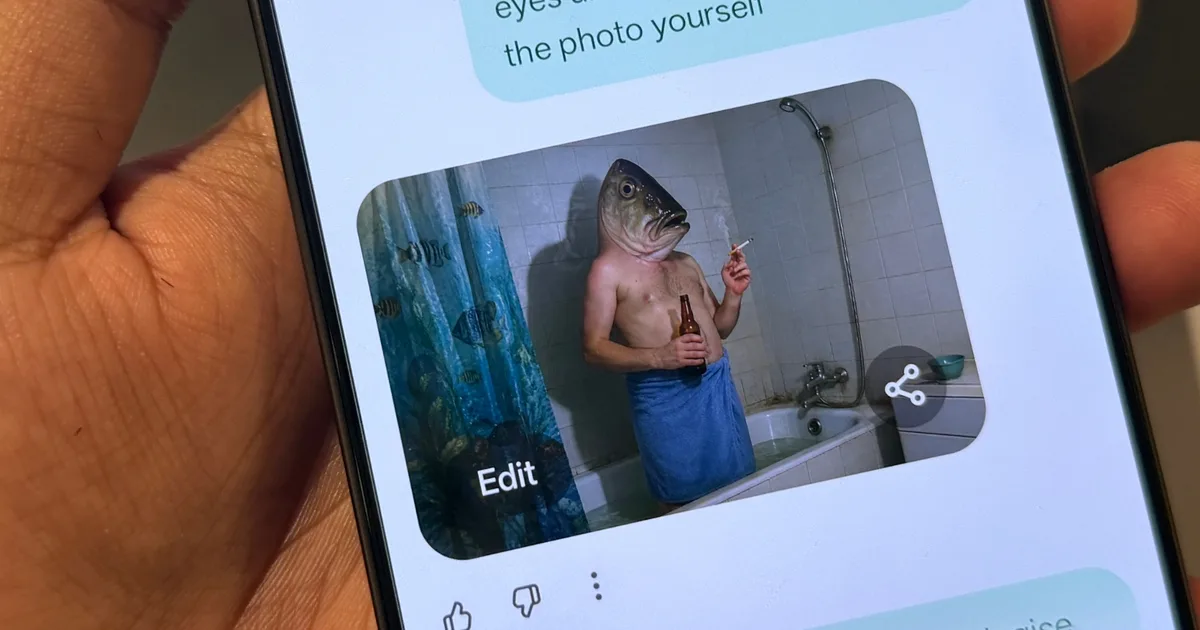
When approached with this prompt, one user reported an image of a man in a bathtub, sporting an oversized fish head—a surreal blend that sparks both fascination and fear. Interestingly, this unexpected visual only emerged after the user made slight alterations to their initial request.
Proceed with Caution
The images generated by ChatGPT can evoke feelings of dread. Users have encountered a range of grotesque scenarios, from characters wielding weapons to unsettling animal-human hybrids. A selection of these visuals suggests a descent into a surreal landscape that feels uncomfortably familiar yet completely distorted.
This can raise concerns about the implications of AI-generated content. The randomness of these creations has left many puzzled, as there’s little explanation for the stark differences in output among various users.
In Conclusion: A Cautionary Tale
As technology inches closer to perfecting the blend of imagination and execution, it’s vital to approach such innovative tools with awareness. The duality of AI offers creative possibilities alongside unexpected terrors.
If you’re intrigued by the intersection of AI and art, perhaps proceed with a touch of curiosity—and a good deal of caution. Engage with these platforms to explore their capabilities, but remain mindful of the shadows they can cast. Let your creativity flow, but be wary of the landscapes it may lead you to.
So, what do you think? Are you ready to dive into the world of AI-generated art? We invite you to explore it—just don’t forget to keep a light on!