Bill Gates Advocates for Robot Tax and ‘Human Reserved’ Jobs to Address AI Challenges
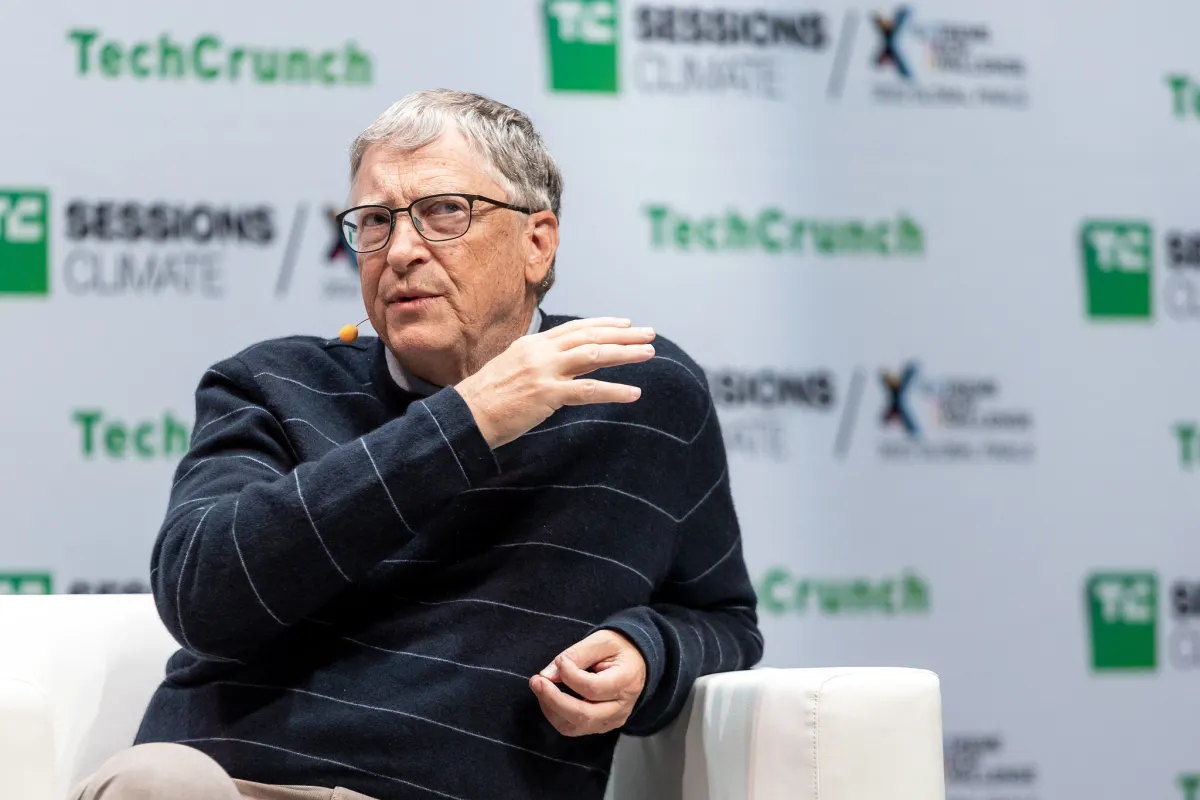
Bill Gates has long been an influential voice in the technology arena, and lately, he’s stirred considerations regarding the impact of artificial intelligence on the job market. His proposal? A robot tax and the creation of “Human Reserved” jobs to tackle the potential disruptions AI might bring. As we navigate this transformative technological landscape, these ideas could play a pivotal role in ensuring a balanced, fair future.
The Concept of a Robot Tax
In a world where automation is steadily advancing, Gates suggests that implementing a robot tax can serve two main purposes. First, it could generate revenue to support workers displaced by technology. Second, it would act as a deterrent for unchecked automation that threatens employment.
- Funding for Retraining: The revenue generated from this tax could help fund educational programs designed to retrain workers for emerging jobs.
- Promoting Better Employment Practices: By taxing companies that heavily rely on automation, it encourages businesses to consider the human cost of their technological investments.
This balanced approach recognizes that while innovation is essential, it should not come at the expense of livelihoods.
The Idea of “Human Reserved” Jobs
Gates further emphasizes the need for “Human Reserved” jobs—positions deemed essential that only humans can perform. These roles would help safeguard key employment areas while maintaining our humanity in the workforce.
-
Careers in Healthcare: Nursing, therapy, and other personal care roles require empathy and human connection that AI cannot replicate.
-
Creative Fields: Artists, writers, and musicians thrive on emotional expression, a distinctly human trait that machines merely mimic.
- Skilled Trades: Professions like electricians and plumbers involve intricate problem-solving and hands-on work that AI is yet to master fully.
By earmarking certain jobs for humans, we can foster a balanced coexistence with our AI counterparts.
The Path Forward
While Gates’ proposals may seem bold, they spark vital conversations about our future relationship with technology. Embracing a proactive approach can lead to innovative solutions that benefit everyone. Striking a balance between automation and employment not only protects jobs but also promotes a healthier economy.
As we move toward this new technological era, it’s our responsibility to advocate for ideas like the robot tax and “Human Reserved” jobs. They represent not just a safeguard for workers but a pathway to a resilient and thriving society.
Join the Conversation
What do you think about the implications of AI in our job markets? Let’s engage in this important dialogue and explore how we can shape a future where technology and humanity work hand in hand. Together, we can inspire change and ensure a brighter tomorrow for everyone.