Australia’s Music Charts Prohibit AI-Generated Songs: What This Means for the Industry

Australia’s music landscape is taking a bold stand against the rise of AI-generated content, marking a significant shift in how we perceive creativity in the industry. Starting this week, the Australian Recording Industry Association (ARIA) has mandated that every track eligible for the charts must be “substantially human-made.” This crucial decision arrives at a time of increasing concern over the authenticity of music in an age dominated by artificial intelligence.
Why the Urgent Need for Regulation?
The conversation around AI in music heated up thanks to DJ Josh Fawaz. His AI-assisted rendition of Madonna’s iconic "Like A Prayer" not only soared to the top of the ARIA dance chart but also reached the number two spot overall, amassing over 48 million streams on Spotify. This controversy propelled ARIA into action, as Fawaz only acknowledged the use of AI after facing public scrutiny. It’s these kinds of controversies that spark necessary changes within an industry.
Credit: Rachit Agarwal / Digital Trends
Defining What’s "Human-Made"
Here’s the good news for artists embracing technology: a complete ban on the use of AI tools isn’t in place. Musicians are still welcome to utilize AI for tasks like mastering tracks, drum programming, or auto-tuning, provided that the core elements—the songwriting, lead vocals, and primary instruments—are created by humans. If a song veers too far into AI-generated territory, however, it loses eligibility for the charts.
ARIA is also taking proactive steps regarding songs already on the charts. If it’s later determined that a song is primarily AI-created, not only can the chart position be readjusted, but the association might even request awards to be returned. Fortunately, artists have the chance to contest any exclusions, ensuring that there’s room for dialogue in the process.
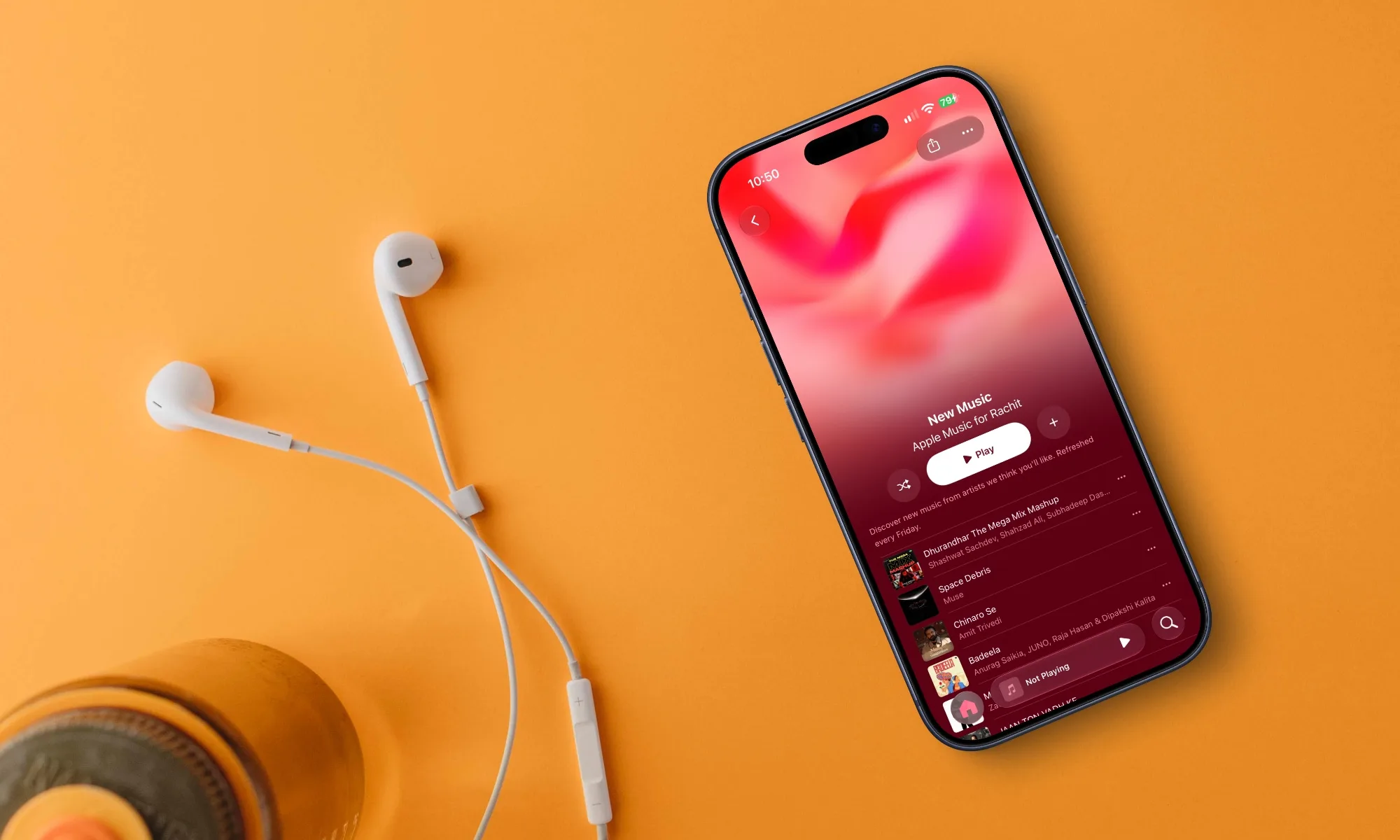
Credit: Rachit Agarwal / Digital Trends
Diverse Perspectives on AI in Music
Interestingly, AI isn’t universally viewed as a detriment. The duo Peking Duk humorously re-recorded their 2014 hit "High" using AI, enabling it to air on Australian radio, and poking fun at the entire situation on social media. Band member Adam Hyde articulated a poignant concern about AI-generated music, stating it risks stripping away the human experience from art, which captures the heart of ARIA’s intervention beautifully.
Australia is not venturing into this territory alone; earlier this year, Sweden also barred an AI-produced song from its charts. Other regions are likely to follow suit, as the movement to safeguard creators from AI encroachment continues to gain momentum. Australian Prime Minister Anthony Albanese has already committed to providing creators with the “strongest possible protection” against artificial intelligence, reinforcing the broader movement taking shape across the country.
As we witness these changes unfold, the music industry stands at a pivotal crossroads. A blend of human talent and technology has always fueled creativity, but ensuring that the heart of music remains intact will always resonate more profoundly with audiences.
Are you ready to support artists who embrace authenticity in their craft? Let’s encourage a musical landscape where creativity thrives! Join the conversation and make your voice heard.