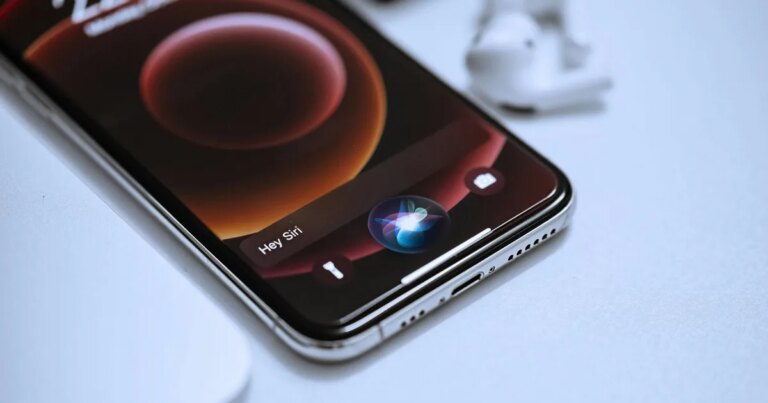
Apple’s Bold Move: Launching AI Agents on the App Store After Siri Setbacks
Apple is at a crossroads as it prepares for the upcoming WWDC 2026, balancing innovation with the expectations of developers. Two major challenges loom large: the thorny issue of potential charges for integrating Siri into third-party apps, and the complexities of managing AI agents within the App Store. As Apple invites developers to enhance their apps with an updated Siri, the stakes are higher than ever.
The Siri Integration Dilemma
Apple’s efforts to revitalize Siri through the new App Intents API have generated excitement, yet hesitation abounds among developers. While some developers are interested in integrating the upgraded Siri into their applications, many are wary. Apple’s ambiguous stance on future charges is a significant concern.
- Apple has initially suggested that developers won’t face fees for integrating Siri.
- However, there’s lingering uncertainty about potential costs down the line, provoking caution from major companies.
This hesitance isn’t just about finances; it touches on relationship dynamics. If Siri becomes the primary way users engage with these apps, developers risk ceding control to Apple, potentially impacting their customer connections.
Why Developers Are Hesitant
Apple’s mixed signals have sown seeds of doubt. Many developers worry that the integration of Siri into their offerings could lead to:
- A new dependency on Apple’s ecosystem.
- A reduction in customer engagement through their own platforms.
The concern is palpable, especially among large Chinese firms such as Baidu, Alibaba, and Tencent, who feel the weight of navigating this uncertain terrain.
In essence, Apple seeks the benefits of a deeply integrated Siri but is not setting clear commercial terms to justify the effort for developers.
The Complications of AI Agents
While the Siri situation unfolds, Apple is diving into even murkier waters with plans to implement AI agents in the App Store. These agents can dynamically generate apps to fulfill user needs, presenting unique challenges for content control.
- Although approved apps may gain the ability to leverage AI agents, the lack of oversight on what these agents create poses significant risks.
- A notable concern arose from reports of OpenClaw, where agents malfunctioned, resulting in unintended consequences like deleting users’ emails.
To counter this, Apple engineers are working on a system designed to safeguard against such erratic behavior while adhering to privacy standards.
What’s Next for WWDC 2026
As the WWDC 2026 event draws near, Tim Cook has acknowledged the growing trend of AI agents and their impact on user behavior. Apple must now pivot to address these pressing concerns around charging practices for Siri and the ramifications of AI in its App Store.
The ambiguity surrounding fees echoes past missteps, heightening the stakes this time around. Developers and consumers alike are looking for clarity as they navigate this rapidly evolving landscape.
In the context of an ever-competitive market, Apple must tackle these challenges prudently, laying a solid foundation for future innovation. As they approach this critical event, all eyes will be on how Apple maneuvers through these complex issues, shaping the future of user experience and industry partnerships.
A Call to Action
As we anticipate the revelations at WWDC 2026, let’s engage in meaningful conversations around these transformations. Share your thoughts on how Apple can best navigate these challenges and what you’d like to see from Siri and AI in the App Store. Together, we can shape the conversation and influence the future of technology in our everyday lives!