Apple’s AI Revolution: How the RAM Crisis is Aging Your Devices
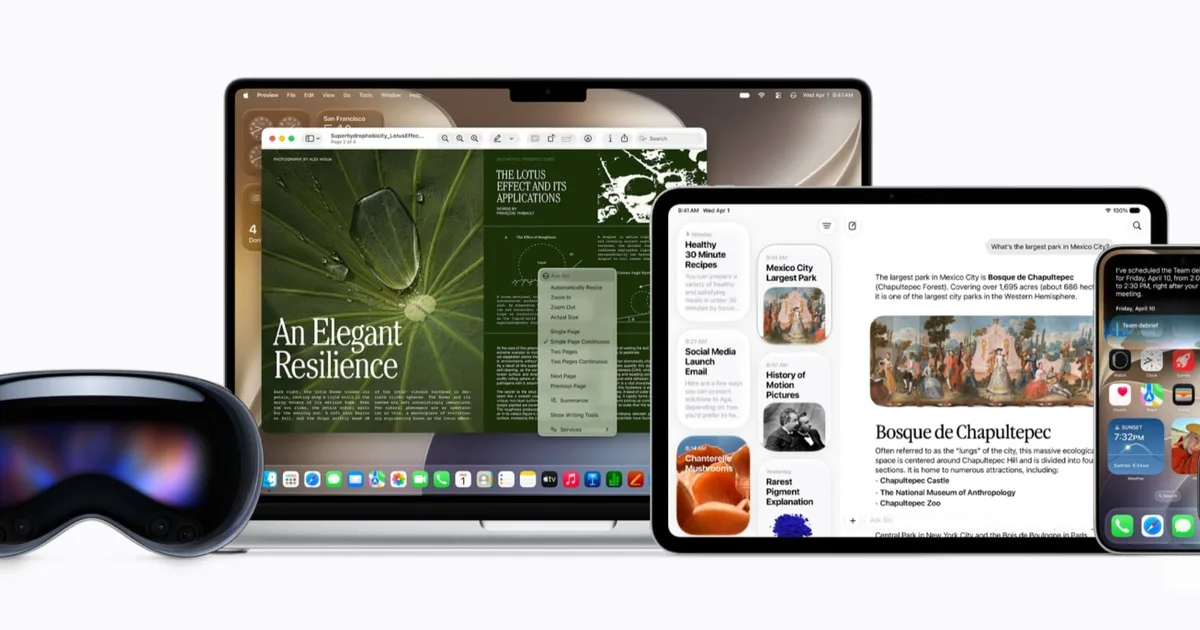
Apple is poised to redefine our experience with technology, particularly through its upcoming iOS 27 and the evolving landscape of artificial intelligence (AI). As the company hones its focus on more sophisticated AI capabilities, the choice of devices becomes increasingly pivotal. For those invested in beauty, aesthetics, and performance, understanding these changes is essential not just for optimal functionality but also for ensuring that your devices remain timeless companions in your daily life.
The Shift in Apple’s AI Strategy
With the launch of iOS 27, Apple has signaled a significant shift from merely upgrading software to elevating the hardware requirements for optimal performance. Now, rather than viewing these upgrades through the lens of mere software features, we must also consider the RAM—a critical element that influences how devices run AI locally.
Why Memory Is Key
The standout feature of iOS 27 is its robust on-device AI model, which demands a minimum of 12GB of RAM for full functionality. This change necessitates a reevaluation of how we perceive device longevity. Apple’s marquee models, such as the iPhone 17 Pro and iPhone Air, are set apart from older versions that struggle to keep up with these new demands.
- Devices with 8GB of RAM might still enjoy some AI capabilities.
- However, they will likely miss out on the richest AI experiences Apple offers.
This limitation affects how we interact with technology today, as users increasingly seek devices that don’t just serve but also enhance their tasks.
The Implications of Local AI Processing
When Apple transitions more tasks to local AI processing, users experience immediate benefits, including enhanced speed, improved privacy, and more seamless integrations. The distinction between having support for Apple Intelligence and fully utilizing its capabilities becomes evident.
Balancing Local and Cloud Processing
While Apple’s Private Cloud Compute gives it the flexibly to support various devices, it also creates a bifurcation in what can be processed locally versus what requires server assistance. Devices that lack sufficient RAM may struggle to keep pace with this new model.
Visualize this reality:
- If you own an 8GB device, it won’t be obsolete.
- Yet, you may find it lacking in the performance expected from upcoming software enhancements.
The Age of Your Device Matters
For many, owning the latest tech used to guarantee a degree of future-proofing. That’s changing as 8GB devices begin to feel outdated. They may not become useless overnight, but a growing apprehension about their ability to handle future updates looms.
Why Memory Should Influence Your Next Purchase
The takeaway here is clear: if you’re invested in Apple’s AI journey, RAM is no longer just a technical specification to overlook. Rather, it’s a critical aspect to consider if you wish to stay ahead of the curve.
- Prioritize memory in your next device decision.
- Monitor advancements in RAM capacity alongside chip improvements, especially in iPads and Macs.
- Keep an eye on future iPhones, as they may soon surpass the current 8GB standard.
The forthcoming models equipped with higher RAM will reveal much about Apple’s intentions in the realms of AI and beyond. Just remember: support for Apple Intelligence doesn’t reveal all the nuances of how well your device will perform.
In navigating the landscape of technology with finesse, you’ll not only enhance your productivity but also enrich your life. Keep pushing forward and embrace the tools that resonate with your style and needs. The future is bright, and it’s yours to conquer!