Is a Google Pixel Laptop Coming? Exploring the Demand and Future of Google’s Newest Device
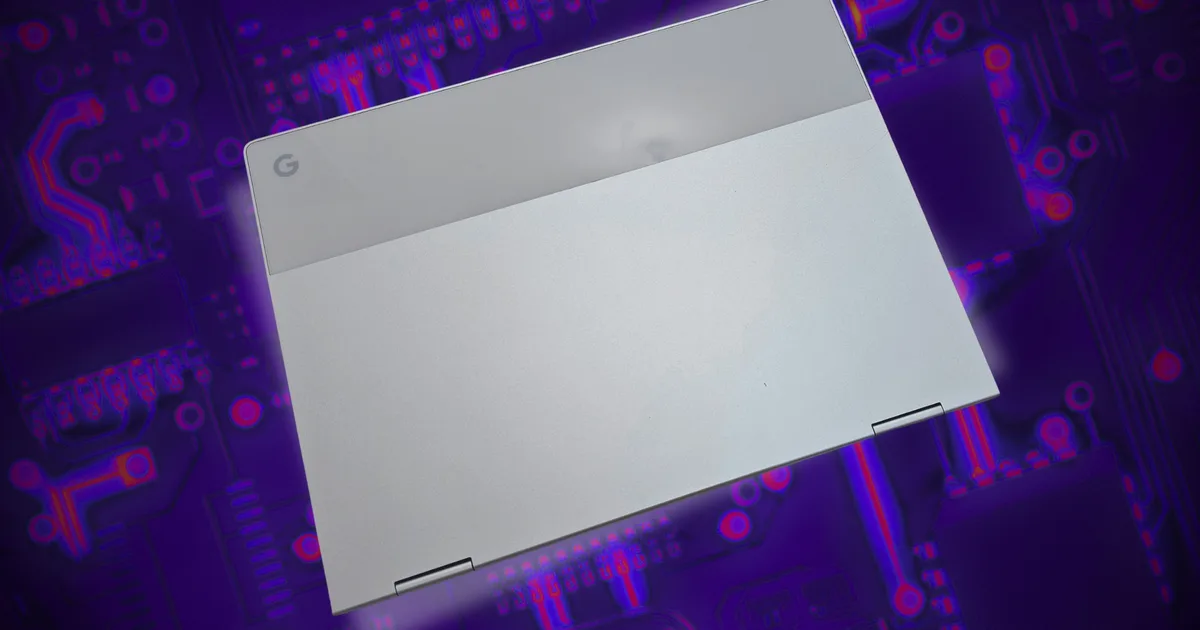
It appears that Google may be making a bid for a comeback in the laptop market, but the outlook is less than rosy. Recent code analyses of the latest Android beta hint at a new addition to the Pixel lineup—a Pixel laptop. This follows a quiet period since the last release of the Pixelbook Go in 2019, which had aimed to offer affordability alongside style within Google’s line of products. However, history suggests that Google’s past forays into the laptop space have left much to be desired.
Google’s Past Performance
Historically, Google has struggled to capture any significant market share with its laptops. Debuting with the Chromebook Pixel in 2013, the company attempted to establish itself as a contender in the computing world. However, subsequent releases—such as the Pixelbook and the Pixelbook Go—failed to ignite enthusiasm among consumers. It’s crucial to note that both earlier models didn’t achieve commercial success, leading to Google’s more recent focus on enhancing its Pixel smartphones instead.
A Shift in the Market
The world of ChromeOS appears to be shifting toward its twilight moments. Indications suggest that the new Pixel laptop might not even rely on the traditional Chromebook foundations. Instead, it could showcase an entirely new operating system—dubbed Aluminium OS—designed to enhance user experience. Unfortunately, several factors challenge the feasibility of launching this new laptop.
A Record of Disappointment
Let’s take a candid look at Google’s track record with its laptops. The company ventured into the laptop space multiple times, but the results were underwhelming.
| Device Model | Starting Price |
|---|---|
| Chromebook Pixel (2013) | $1,299 |
| Chromebook Pixel (2015) | $999 |
| Pixelbook | $999 |
| Pixelbook Go | $649 |
The pricing for most of these laptops hovered around the $1,000 mark, which is quite steep for a device running ChromeOS. Consumers often found better value in powerful Windows alternatives or even Apple products for similar or less cost. Although the Pixelbook Go received praise for its design and battery life, it couldn’t escape the shadow of limitations imposed by its operating system.
The Current State of ChromeOS
Fast forward nearly a decade, and you’d expect ChromeOS to have evolved. Regrettably, the reality is that it remains stagnant, with minimal improvements. While small updates trickle in, ChromeOS still feels too reliant on a browser-based framework, lacking the pivotal support for essential productivity and creativity apps.
Given the demise of Google Stadia, the gaming potential on ChromeOS has dwindled, presenting an opening for competitors. This leaves Linux, which has made significant strides and increasingly appeals to users seeking reliable performance—especially among gamers.
The New Aluminium OS
A glimmer of hope lies in the freshly announced Aluminium OS set to debut in 2026. This operating system aspires to merge Android and ChromeOS, providing native support for Play Store apps, keyboard and mouse integration, and desktop-like window management.
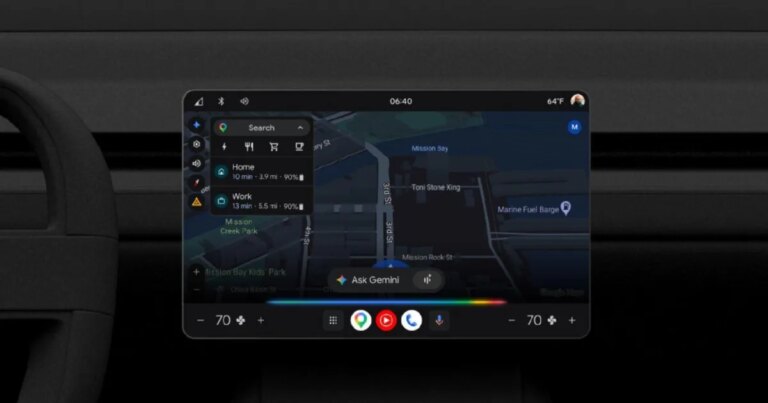
Key highlights of this OS include the anticipated Gemini AI, aiming to seamlessly enhance functionality. However, it’s worth noting that successful deployment will hinge on robust hardware capable of handling these advancements—specifically, chips equipped with dedicated AI processing capabilities.
Navigating Price Challenges
For any new Google laptop to succeed, a competitive price point is vital. But with the increasing costs of RAM and SSDs due to escalating demands, achieving this might prove exceedingly difficult. Not only has this RAM crisis affected laptop prices, but it has also triggered price hikes across various high-tech domains.
Competition from Apple
Google’s ambitious plans face stiff competition from Apple’s MacBook Neo, launching at an attractive starting price of just $599. The introduction of this budget MacBook has set a high bar, particularly as it offers a full-fledged desktop experience with macOS.
Conclusion: Where Does Google Stand?
Currently, the allure of a Google Pixel laptop seems questionable. Although the promise of a revolutionary operating system looms, the reality is that consumer trust has dwindled due to past experiences. Should Google aim to re-enter the saturated laptop market, it will need to deliver not just on innovative software, but also on hardware that outshines its competitors while remaining competitively priced.
In a market that is swiftly evolving, only time will reveal whether Google’s next steps will resonate with consumers. Until then, it seems like the magic of a new Pixel laptop is more of a distant dream than an imminent reality.
If you’re seeking a device that combines performance with beauty, stay tuned. Your next ideal laptop might be just around the corner!