Academy Declares: AI Unqualified for Oscar Wins in Acting and Writing
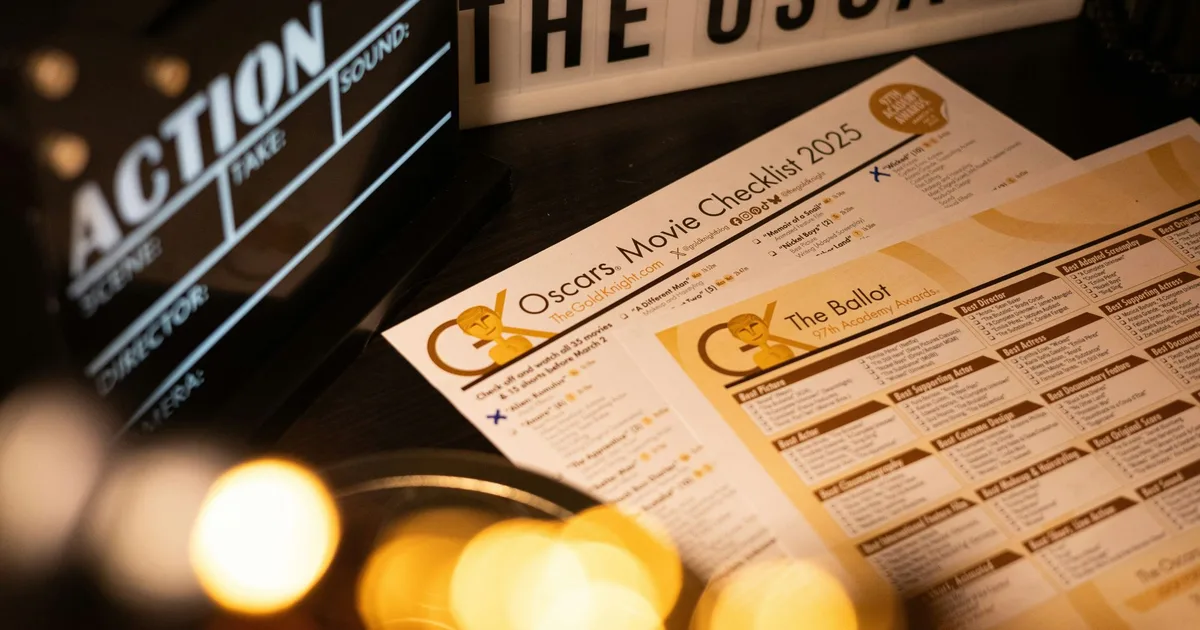
The glamorous world of cinema, where artistry meets innovation, is currently navigating the dynamic crossroads of technology and creativity. As the Academy of Motion Picture Arts and Sciences sets its sights on the future, it has clarified a crucial aspect of the Oscars: artificial intelligence (AI) will not take home any golden statuettes. This decision stands as a testament to the Academy’s unwavering commitment to recognizing the human touch behind the magic we see on screen.
Human Performance and Authorship Take Center Stage
In the latest updates to the Oscars rulebook, only human performances will be eligible for acting awards. According to the revised guidelines, any role must be listed in the film’s official credits and "demonstrably performed by humans with their consent." Consequently, roles driven by AI-generated or synthetic performances will not receive recognition, even if they are featured in a film.
(Conan O’Brien hosts the live ABC telecast of the 97th Oscars® at the Dolby® Theatre at Ovation Hollywood on Sunday, March 2, 2025. Richard Harbaugh / The Academy)
A similar emphasis is placed on writing categories. To vie for coveted awards like Best Original Screenplay or Best Adapted Screenplay, a film must credit a human writer explicitly. The Academy states that scripts must be "human-authored," thus effectively excluding those penned entirely by AI systems.
Embracing AI Tools, But Not for Awards
While the Academy has made it clear that AI cannot claim credit as a performer or writer, it’s important to note that its use in filmmaking is still allowed. Generative AI and other digital tools can play a role in the production process, but their involvement will not impact a film’s chances for nomination or victory.
Instead, Academy voters will closely evaluate how much creative involvement there is from humans in the filmmaking process. If AI tools are employed, they’ll consider the extent of human authorship during assessments. Additionally, the Academy reserves the right to ask filmmakers for further details on how AI was utilized in their projects.
Why This Decision Holds Significance
This clarification comes at a time when AI’s role is becoming ever more prominent in creative industries, including film. From de-aging actors to generating scripts and visual effects, AI technology is starting to transform the way movies are made. The Academy’s decision to define its boundaries ensures that the spotlight remains on human creativity, rather than letting machine-generated outputs overshadow artistic expression.
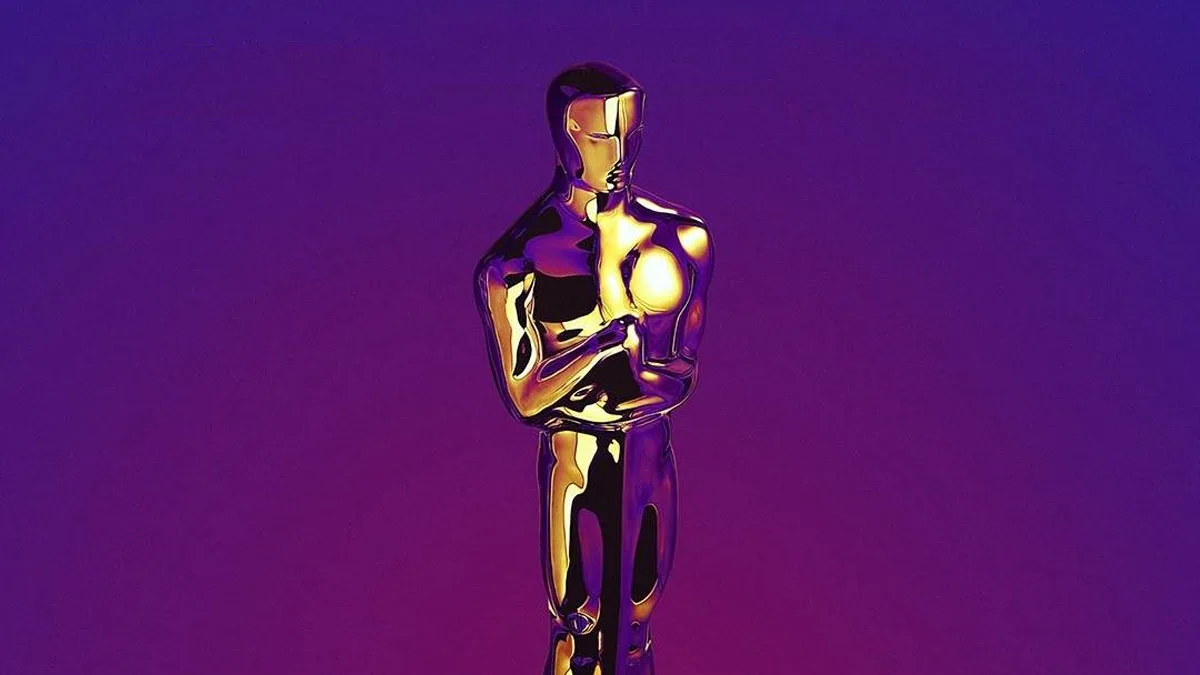
(Promotion art for the 96th Academy Awards. AMPAS/ABC)
This ruling also contributes to ongoing discussions in Hollywood concerning authorship, originality, and the evolving role of technology in storytelling. By laying down these rules, the Academy strives to maintain the integrity of its awards while still welcoming innovation in filmmaking.
Implications for the Future
For filmmakers today, the message is clear: while AI is a useful tool, it cannot be credited as a creator. Productions that heavily depend on AI for tasks like writing or performance may encumber themselves when aiming for recognition unless human involvement remains paramount.
Looking forward, these guidelines may influence studios as they navigate the integration of AI in future projects. As technology continues to advance, the Academy could revisit its rules. However, one thing is certain: the Oscars will continue to celebrate the extraordinary achievements of human talent in cinema, even as the industry embraces new technological frontiers.
As we look to the future of filmmaking, let’s celebrate the creative spirit that elevates storytelling. Our shared love for cinema inspires innovation—but at the core, it’s the human experience that must shine through. Join us in honoring the artistry that makes every film unforgettable!