Why I’m Now Optimistic About the AI Project on ‘The Magnificent Ambersons’
When a bold startup made waves last fall with plans to resurrect lost footage from Orson Welles’ acclaimed film, The Magnificent Ambersons, using generative AI, I found myself filled with skepticism. Why, I wondered, would anyone invest time and resources into a project likely to ruffle the feathers of film purists and offer little in the way of profitability? However, as time has unfolded, the story has taken unexpected turns that merit a closer look.
Passion Behind the Project
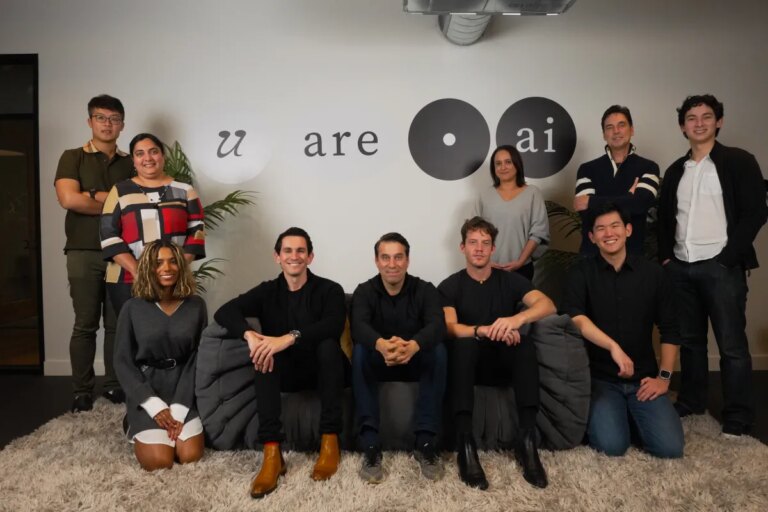
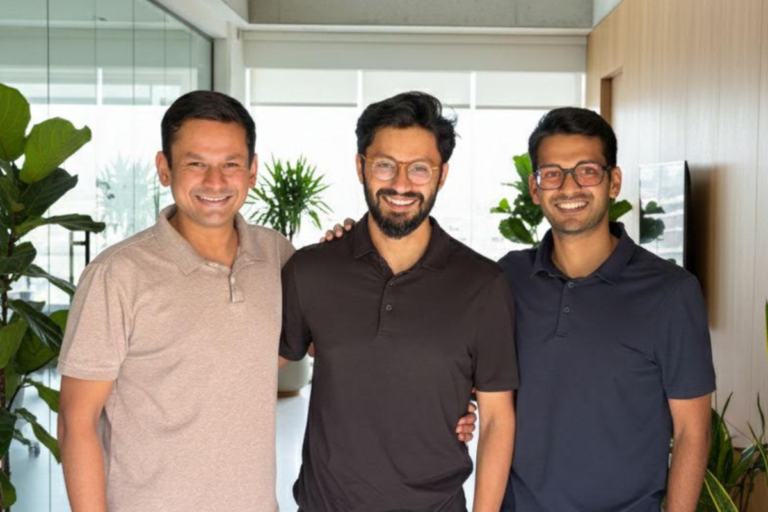
This week, an insightful piece from The New Yorker by Michael Schulman shed light on the venture. At its core, the drive behind this initiative comes from a genuine admiration for Welles and his cinematic genius. The startup, Fable, led by founder Edward Saatchi, appears to be fueled by a deep-seated love for Welles’ artistry.
Saatchi, hailing from a lineage tied to the famed advertising agency Saatchi & Saatchi, reminisces about the magic of his childhood. Films were not just entertainment but a family ritual, filled with the enthusiasm of his "movie mad" parents. His first encounter with Ambersons at the tender age of twelve became a cornerstone of his cinematic journey.
The Allure of a Lost Classic
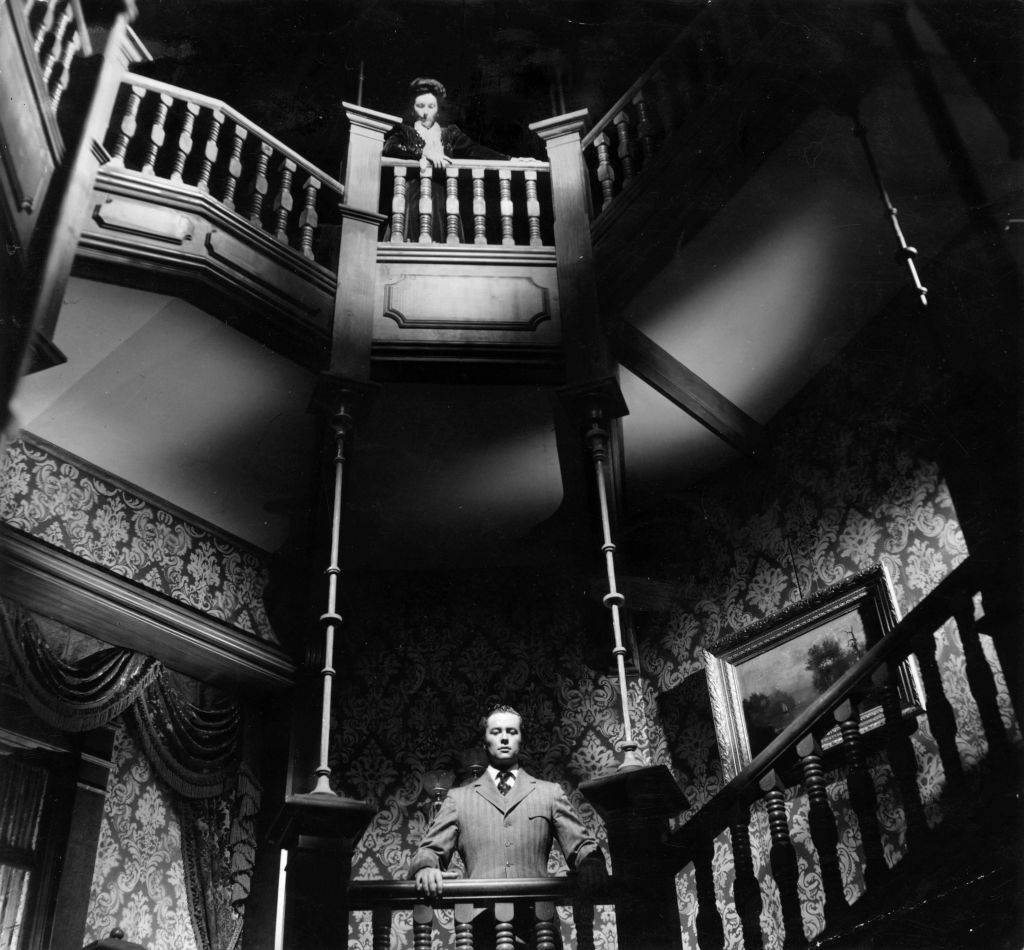
While Citizen Kane often steals the spotlight, The Magnificent Ambersons is a diamond in the rough that captures the imagination. Welles himself claimed it surpassed his famed first film. Yet, following a disastrous preview screening, the studio hacked a staggering 43 minutes from the runtime, replacing it with an abrupt, unconvincing happy ending. Regrettably, the excised footage was destroyed, leaving a tantalizing void.
Saatchi described this film as "the holy grail of lost cinema." For him, there had to be a way to unearth what had once been lost.
An Ongoing Quest
Saatchi’s ambition isn’t isolated; he’s joined by filmmaker Brian Rose, who has spent years attempting similar feats through animated interpretations based on the original scripts and photographs. While Fable employs cutting-edge technology—capturing live-action scenes to blend with AI-generated voices and portrayals—it remains an evolution of Rose’s earlier attempts, a matrimonial glimpse into Welles’ vision.
Despite the excitement, Fable’s efforts aren’t without their challenges. The technology is still grappling with flaws, from comically errant portrayals, like a two-headed Joseph Cotten, to the more intricate task of capturing the film’s visual splendor. Saatchi humorously noted a curious "happiness" quirk, where AI rendered female characters with an unwarranted cheerfulness.
Navigating Rights and Expectations
As discussions continue about the potential public release of this reconstructed footage, Saatchi acknowledged the misstep of not consulting Welles’ estate before launching the project. Since then, he has made strides in securing the support of both Welles’ estate and Warner Bros., the film’s rights holder. Beatrice Welles, Orson’s daughter, expressed skepticism but remains hopeful that the project respects her father’s legacy and the brilliance of the movie.
Voices from the Past
Actor and biographer Simon Callow, currently penning the fourth volume of his Welles biography, has stepped in as an advisor, deeming the endeavor a "great idea." Yet not all echoes are positive; Melissa Galt has voiced her concerns, stating that her mother, actress Anne Baxter, would have vehemently opposed such endeavors.
"It’s not the truth," Galt argues. "It’s a creation of someone else’s truth. It’s not the original, and she was a purist."
While I find myself leaning toward appreciation for Saatchi’s ambitions, I resonate with Galt’s stance. Ultimately, this project may only offer a fleeting curiosity, a fanciful glimpse into a universe that might have been.
The Art of Acceptance
Galt’s assertion that "once the movie was done, it was done" recalls a poignant essay by writer Aaron Bady, who likened AI efforts to the vampires in “Sinners.” He proposed that art’s essence rests in mortality and the acceptance of limitations. Bady beautifully articulated, “There is no work of art without an ending… we cannot make art or desire or feeling.”
In light of this sentiment, Saatchi’s determination to restore the past seems almost innocent, as if dodging the grief inherent in loss. It draws parallels with startups promising to eliminate grief entirely or executives pushing for imposed happy endings.
Perhaps, embracing what was lost gives way to a more profound appreciation for cinema’s fleeting moments, reminding us that some stories are meant to exist only in memory.
Embarking on this journey to rekindle a film’s lost essence is ambitious, if not slightly nostalgic. Whether the results will resonate as intended remains uncertain. However, what’s crucial is the deep-seated love for storytelling—a love that fuels creativity and sparks conversations, however contentious they may be.
As you ponder the delicate balance between innovation and reverence in the arts, I invite you to engage with the conversation. Share your thoughts on the impact of technology on storytelling, and let’s explore together the intricate tapestry that cinema weaves.